Crufts 2026: A Guide to the World’s Greatest Dog Show
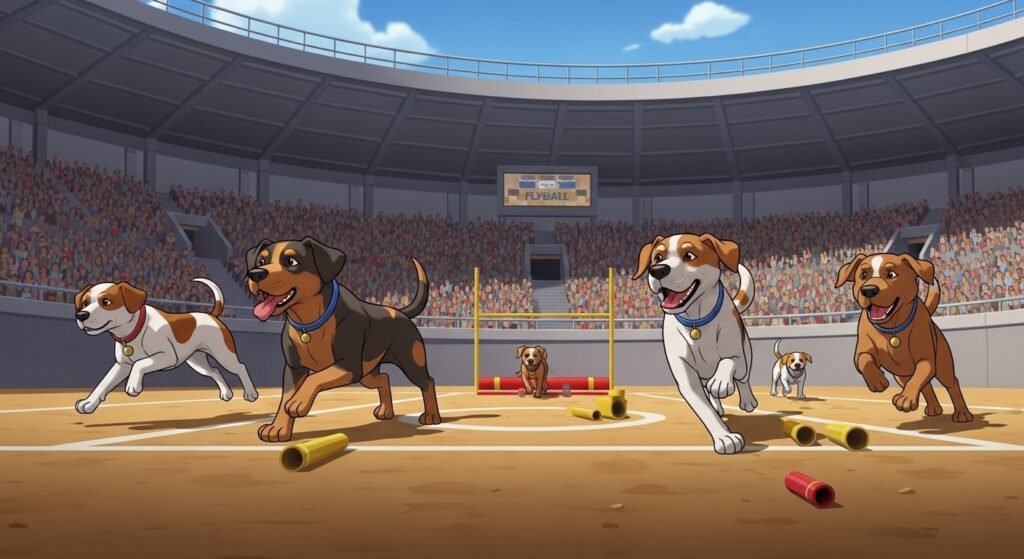
We’re back on the track! And this time to cover no less than the greatest dog event of the world! If there is one event that every dog lover has on their bucket list, it is Crufts. Organised by The Royal Kennel Club, Crufts is not just a dog show; it is a massive four-day celebration of everything canine. Held annually at the NEC in Birmingham, UK, it brings together over 18,000 dogs from around the globe to compete for the most prestigious titles in the world. More Than Just “Best in Show” While the crowning of the Best in Show on Sunday night is the most famous moment, Crufts is packed with high-octane action and diverse activities that cater to every interest. Agility and Flyball: For fans of speed, the Agility and Flyball competitions are must-sees. Watching dogs navigate complex obstacle courses or race in relay teams at lightning speed is truly breath-taking. Heelwork to Music: This is essentially “dog dancing.” Handlers and dogs perform choreographed routines to music, showcasing an incredible level of bond and precision. Obedience & Rally: For those who appreciate discipline, the Obedience Championships highlight the peak of canine training. Scruffts: Crufts isn’t just for pedigrees! Scruffts is the national competition for crossbreeds, focusing on character, health, and temperament. The Hero Dog Award: One of the most emotional segments of the show, celebrating dogs that have saved lives or provided life-changing support to their owners. Discover Dogs: If you are attending in person, this area allows you to meet and greet over 200 different breeds and talk to experts about their unique traits. How to Experience Crufts 2026 Whether you are in the UK or across the ocean, you don’t have to miss a second of the action. 1. Attending in Person Crufts 2026 takes place from March 5th to March 8th at the NEC Birmingham. Tickets: Must be purchased in advance via the official Crufts website. Tip: Wear comfortable shoes! With five massive halls and a main arena, you will be doing a lot of walking. 2. Watching from Home (UK) For those in the UK, Channel 4 and More4 provide extensive daily coverage, totaling over 17 hours of broadcasts including the live finale. 3. Global Streaming (International) The best part for international fans? You can watch most of the arena action live and for free on the official Crufts YouTube Channel. They provide live streams of the main arena and agility rings, as well as highlights and behind-the-scenes clips. 4. Crufts also has a very nice Instagram channel. Why It Matters Crufts remains a cornerstone of the dog world because it promotes responsible dog ownership and celebrates the unique bond we share with our four-legged friends. From the rarest “vulnerable” native breeds to the world-famous Golden Retrievers, it is a spectacle of diversity and dedication. Keep watching our blog for more news, see you soon!
Dog Agility 101: The Ultimate Guide to Fitness, Fun, and Bonding
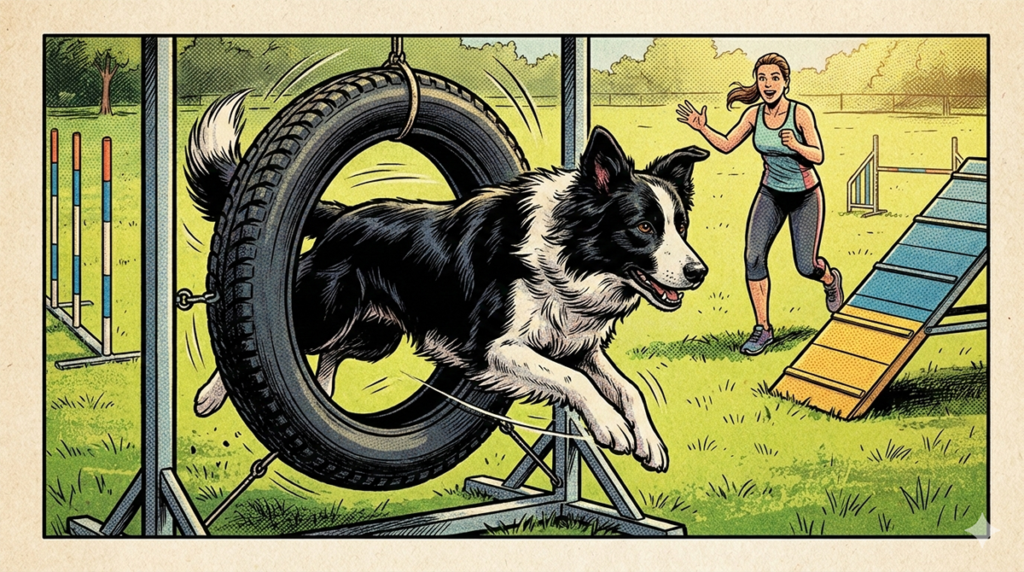
If you’ve ever watched a dog zip through a tunnel, weave between poles with lightning speed, and leap over hurdles with grace, you’ve witnessed the magic of Dog Agility. More than just a competition, it is a high-energy dance between human and hound that celebrates communication, athleticism, and pure joy. In this guide, we’ll dive into what makes this canine sport so special, how to get started, and where to find the best gear for your future champion. What Exactly is Dog Agility? At its core, agility is an obstacle course race. The dog must navigate a timed circuit—including jumps, tunnels, weave poles, and ramps—guided only by the cues and body language of their handler. No leashes, no food rewards on the course, and definitely no touching the dog! According to the American Kennel Club (AKC), agility is one of the fastest-growing dog sports in the world because it caters to a dog’s natural instincts to run, climb, and hunt. The Benefits: More Than Just Exercise Agility isn’t just a workout for the paws; it’s a workout for the brain. Here is why you should consider it: Mental Stimulation: Dogs have to “read” their handler’s cues and solve the puzzle of the course in real-time. Physical Conditioning: It improves flexibility, strengthens muscles, and boosts cardiovascular health. Unbreakable Bond: The level of trust required to navigate an A-frame or a see-saw creates a unique language between you and your dog. Off-Leash Reliability: The training involved translates directly to better recall and focus in everyday life. Essential Agility Equipment If you are looking to practice in your backyard or set up a professional course, you’ll need specific obstacles. The Fédération Cynologique Internationale (FCI) sets international standards for these tools: Equipment Type Description Contact Obstacles Items like the A-frame, Dog Walk, and See-saw where the dog must touch specific “contact zones.” Tunnels Collapsible tubes that dogs sprint through. Weave Poles A series of 5 to 12 upright poles the dog must zigzag through. Jumps & Hurdles Varying heights based on the dog’s size; includes the “tire jump.” Editor’s Pro-Tip: Always start with “flatwork”—teaching your dog to follow your hand movements on the ground before introducing height or complex obstacles. Where to Buy: Top Reference Sites for Gear Investing in safe, durable equipment is crucial to prevent injuries. Here are some of the most respected names in the industry: Clean Run: The “Amazon” of the agility world, offering everything from training treats to full-sized competition contacts. Galican: Known globally for their high-end, padded, and safety-conscious equipment used in world championships. Affordable Agility: A fantastic resource for beginners looking for lightweight, portable kits for backyard practice. Tudo de cão: One of the main sources for official Agility equipment in Brazil. How to Get Started You don’t need a Border Collie or a Sheltie to enjoy this sport. While some breeds are “naturals,” any healthy dog with high toy or food motivation can participate. Check for health: Consult your vet to ensure your dog’s joints are ready for jumping. Find a local club: The United States Dog Agility Association (USDAA) Brasil Agility or your local kennel club often lists trainers. Start slow: Focus on basic obedience (sit, stay, and “come”) before hitting the obstacles. Now let’s talk about the humans! Mastering the Lead: 5 Essential Tips for New Agility Handlers So, your dog is ready to run, jump, and weave—but are you? In the world of Dog Agility, you aren’t just a spectator; you are the navigator. Your body language, timing, and energy dictate how smoothly your dog navigates the course. If you’re just starting out, here is how you can step up your game to become the partner your dog deserves. 1. Your Body Speaks Louder Than Your Voice Dogs are masters of reading non-verbal cues. In agility, where you point your shoulders, feet, and even where you look can mean the difference between a clean run and a missed jump. The “Laser” Rule: Imagine lasers coming out of your chest. Wherever those lasers point, that’s where your dog thinks they should go. Consistent Hand Signals: Decide early on which hand signals represent which obstacles and stick to them. 2. Focus on Your Own Fitness You don’t need to be an Olympic sprinter, but agility requires quick bursts of speed and sharp lateral movements. Warm-up Together: Just as your dog needs to stretch, so do you. Prevent pulled muscles by doing a light jog and dynamic stretches before hitting the course. Footwear Matters: According to experts at UK Agility, wearing the right shoes is the most important “gear” for a handler. Invest in trail running shoes or turf cleats to avoid slipping on grass or sand. 3. Precision Timing is Everything The most common mistake for beginners is giving cues too late. By the time your dog is mid-air over a jump, they should already know where they are heading next. Advance Cues: Aim to give your verbal command or physical signal before the dog commits to the current obstacle. Trust Your Dog: Once you’ve given the cue, trust your dog to complete the task while you move into position for the next one. 4. Keep Training Sessions Short and Sweet Agility is mentally draining for both parties. The United States Dog Agility Association (USDAA) emphasizes that “less is often more” in training. Stop while your dog is still excited and wanting more. Always end on a high note with a “jackpot” (a favorite toy or high-value treat) to keep their motivation sky-high. 5. Learn to “Walk the Course” Before a run, handlers get a few minutes to walk the course without their dogs. Use this time wisely: Visualize: Close your eyes and imagine the run from your dog’s perspective. Identify Trap Obstacles: Look for areas where your dog might be tempted to take the wrong jump and plan your positioning to block that “trap.” Handler’s Golden Rule: If your dog makes a mistake, 90% of the time it’s because of a late or unclear
Mushing 101: The Ultimate Guide to Getting Started with Your Dog
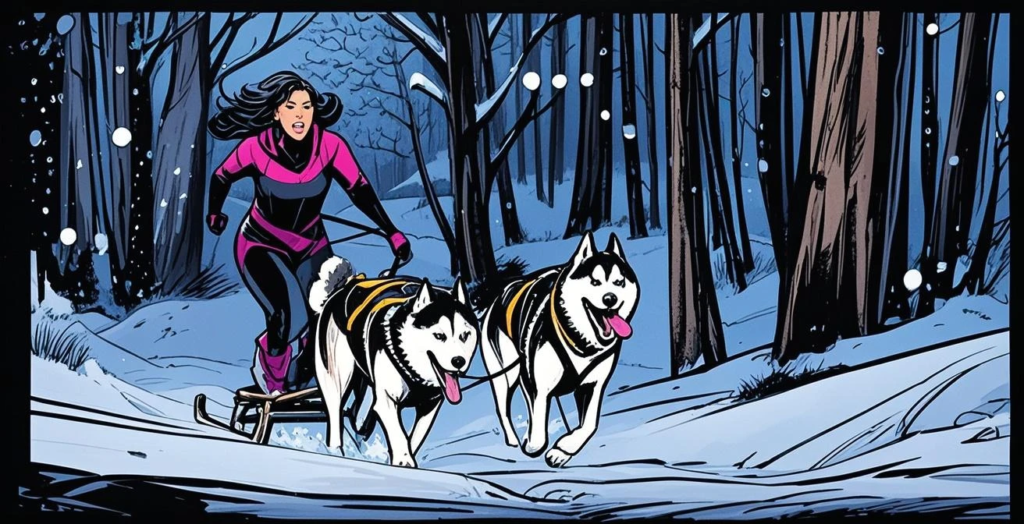
It’s snow time! But it doesn’t need to be! When most people hear the word mushing, they immediately think of the snowy plains of Alaska and a team of Huskies racing through a blizzard. While that’s the classic image, the world of mushing is much bigger (and often much warmer!) than you might think. Whether you have a team of ten or just one energetic pup, mushing is a fantastic way to burn energy and strengthen your bond. Grab a leash, and let’s dive into the “paws-ibilities” of this incredible sport! What Exactly is Mushing? At its core, mushing is a sport where one or more dogs pull a vehicle (a sled, a bike, or even you!). While it started as a necessary form of transportation in the Arctic, it has evolved into a global competitive sport. Today, we categorize it into two main types: Sledding: The traditional winter version on snow. Dryland Mushing: The “off-snow” version involving running (Canicross), biking (Bikejoring), or using scooters and wheeled carts (Rigging). The Essential Gear: Safety and Comfort First You can’t just use a standard neck collar for mushing; it could hurt your dog’s neck and restrict their breathing. Professional equipment is a must. 1. The Harness The X-Back harness is the industry standard. It’s designed to distribute the pulling weight across the dog’s chest and ribcage rather than the neck. Note: For certain breeds or shorter dogs, a “Half-back” or “Long-distance” harness might be recommended. 2. The Tugline (Bungee Lead) This isn’t your average leash. A mushing line must have a bungee (shock absorber) component. This protects both the dog’s spine and your back from sudden jolts when starting or stopping. 3. The Vehicle Sleds: Made of wood or carbon fiber for snow. Gigs/Rigs: Three or four-wheeled carts for dryland. Bikes/Scooters: For smaller teams (1-2 dogs, also called Urban Mushing) 4. Booties and Paw Care Especially in the snow or on rough gravel, booties are essential to prevent ice buildup or abrasions between the paw pads. Rules of the Trail Every sport needs a bit of order! While specific rules vary by event, the International Federation of Sleddog Sports (IFSS) sets the standard. Key rules usually include: The “No-Whip” Rule: Mushing is built on a relationship of trust. Any form of physical abuse or forceful “motivation” is strictly prohibited and results in immediate disqualification. Right of Way: In races, the faster team usually has the right of way. The “trail” command is called out to signal an overtake. Dog Welfare: Most federations require mandatory vet checks before races to ensure every dog is hydrated, healthy, and happy to run. Federations and Where to Learn More If you’re looking to get competitive or find a local community, these organizations are the “top dogs” in the industry: IFSS (International Federation of Sleddog Sports): The global governing body for the sport. ISDRA (International Sled Dog Racing Association): Great for those looking for North American events and regulations. Non-stop Dogwear: While a brand, their blog and tutorials are goldmines for beginners. Alpine Outfitters: A highly trusted source for custom-fitted harnesses and professional gear. Safety Tips for New Mushers Watch the Temperature: Dogs overheat much faster than humans. In dryland mushing, many experts suggest stopping if the temperature rises above 15°C (59°F). Hydration is Key: Offer water frequently, but avoid large meals immediately before or after a run to prevent stomach issues (bloat). Listen to Your Dog: If they stop or seem distracted, don’t force them. The goal is for them to want to pull! Ready to Hit the Trail? Mushing is more than just a workout; it’s a language of “Gees” (turn right) and “Haws” (turn left). It’s about becoming a team with your best friend. Don’t forget to look forward our Blog to find more info about amazing canine sports, including our comprehensive posts about Canicross and Bikejoring!
🐶 Canicross: Hit the Trails with Your Furry Co-Pilot! 🏃♀️
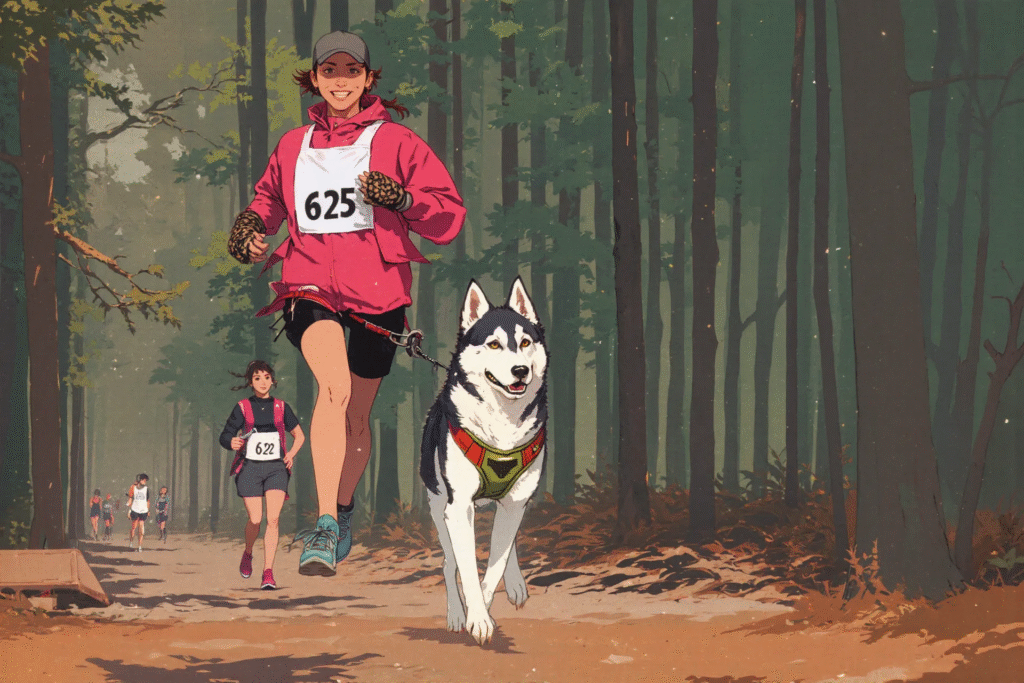
🌟 What is Canicross? The Ultimate Team Sport Looking for a fun, high-energy way to bond with your dog and boost your fitness? Say hello to Canicross! Imagine cross-country running, but with a twist: your dog is tethered to you and is your main engine. It’s a team sport where the dog runs ahead, setting the pace, while the human follows. It’s fantastic for both physical and mental stimulation for your pup, and a great way for you to enjoy the great outdoors together! 🚦 The Essential Gear & Rules of the Road Canicross is all about safety and letting your dog run naturally and comfortably. Unlike regular jogging with a leash in hand you need specific, non-restrictive equipment. Must-Have Gear (The Canicross Kit): Dog Harness: A specialized canicross harness (or X-back/H-back harness) that distributes the pulling force evenly across the dog’s chest and shoulders, avoiding strain on their back or neck. Crucially, it must allow full range of motion! Bungee Line (Leash): A specific shock-absorbing leash (often 2-3 meters long when extended) that connects the harness to the runner’s belt. The bungee section absorbs jolts and makes the running experience smoother for both of you. Runner’s Belt: A comfortable, wide belt worn around the human’s waist or hips. This keeps your hands free and transfers the pulling power to your core, not your arms. Don’t forget the adequate running apparel for you, as well as good running shoes! Key Canicross Rules & Etiquette (Know Before You Go): The Pull is Mandatory: The dog must be attached to the runner by the bungee line and harness. Holding the leash in your hand is generally not allowed. Dog First: Your dog must always be ahead of you or running right beside you. If the human is consistently ahead, it’s not Canicross! Passing Calls: When you want to overtake another runner and dog, it’s essential to announce your intent clearly. Common calls include: “Trail!” or “Passing left/right!” The person being passed must try to keep their dog close to them to allow a safe pass. No Muzzling (Usually): Dogs generally cannot wear muzzles unless specifically allowed by the race organizer (e.g., if a dog has a known history of aggression). Muzzles must allow not restrictive, free dog breathing at all times. Minimum Age: Dogs must be fully grown to compete, usually 12 months for smaller breeds and 18 months for larger breeds, to protect their developing joints. 💡 Top Tips for Canicross Beginners Ready to lace up? Here are a few friendly pointers to get you started safely and successfully: Tip Category Actionable Advice Training Start with short distances and build up gradually. Focus on directional commands (“Left!”, “Right!”, “Gee/Haw”). Reward great pulling! Safety First Never run in extreme heat. Check your dog’s paw pads for cuts, cracks, or irritation, especially after running on rough surfaces. Hydration Carry water for both of you! Stop often to let your dog drink and cool down. A foldable water bowl is a must-have. Motivation Some dogs need encouragement to pull. Have fun and be enthusiastic! Make it a positive experience every time. Breeds Any dog can do Canicross, but Huskies, German Pointers, Vizslas, and certain Terriers often excel due to their natural drive and stamina. 🌐 Need More Info? International Canicross Resources Always look to organized bodies and experienced communities for the most reliable information on rules and safety standards. Here are some globally recognized organizations that govern and promote dog-powered sports, including Canicross: The International Federation of Sleddog Sports (IFSS): While focused on Sleddog, they have rules governing land-based events like Canicross, promoting ethical treatment and standardization. Search Term: “IFSS Canicross rules” The International Canicross Federation (ICF): A dedicated body working to unite national organizations and standardize the sport worldwide. Search Term: “ICF Canicross” Various National Organizations: Look for your country’s national body (e.g., “British Sleddog Sports Federation,” “Canicross USA“) for local rules and race calendars. Editor’s Note: When searching for gear, look for brands that specialize in dog-powered sports equipment (e.g., Non-Stop Dogwear, Snowpaw Store, etc.) to ensure the highest safety and comfort standards. 📢 Ready to Run? Canicross is more than just running; it’s a shared adventure and a fantastic way to deepen the bond with your dog. It’s challenging, exhilarating, and incredibly rewarding! Remember: Start slow, invest in the right gear, and listen to your dog. They’ll be thanking you with happy tails and faster times! Don’t forget to check our Blog for more incredible info about dog world sports and adventures!
Bikejoring for Beginners: The Ultimate Guide to Biking with Your Dog | Dog Sports
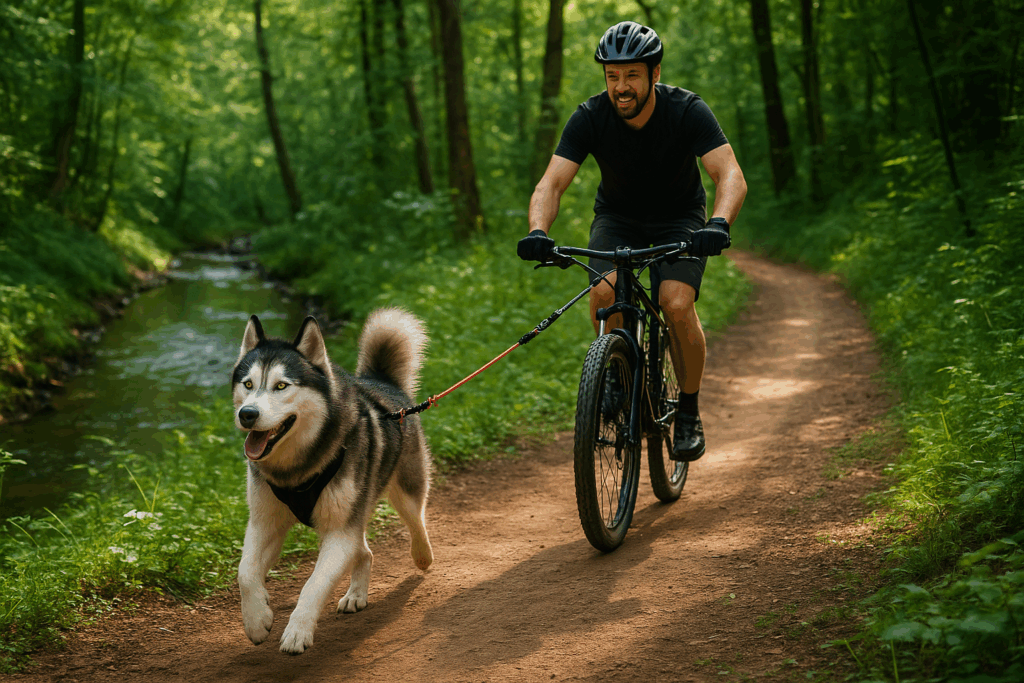
🐾 Gear Up & Go! Your Dog’s Next Big Adventure is Bikejoring Ready to ditch the boring neighborhood walk and kick your dog’s exercise routine into high gear? Meet Bikejoring—the ultimate team sport where you and your dog become a high-speed, two-wheeled (or three!) dynamic duo. It’s fast, it’s fun, and it’s a fantastic way to deepen the bond with your canine companion. But what exactly is it, and how do you start without ending up in a ditch? Let’s dive into this exhilarating dog sport! What in the World is Bikejoring? 🚴🐕 Simply put, Bikejoring is a dog-powered sport where your dog wears a special pulling harness and runs in front of you, pulling you along while you ride a bicycle (usually a mountain bike). Think of it as urban mushing or dryland sledding, but with a bike! It’s all about teamwork: your dog provides the horsepower and you provide the steering, braking and—most importantly—the verbal commands. Who is it for? Energetic dogs who love to run and pull! Breeds commonly seen excelling in Bikejoring include Siberian Huskies, Malamutes, Border Collies, German Shorthaired Pointers, and mixed-breed dogs (often called “Eurohounds” or “Greysters”). A Key Perk: It’s an incredible way to drain the energy of a high-drive dog safely and efficiently. Happy dog, happy life! 🛑 Hold Your Horses! Bikejoring Equipment Essentials Before you hit the trails, safety first! A common mistake for beginners is simply attaching a regular leash to the handlebars—never do this! It’s extremely dangerous for you and your furry friend and can lead to severe accidents. Here’s the essential (and required!) gear for safe and fun Bikejoring: Gear Type What You Need Why It’s Crucial For Your Dog Pulling Harness (X-Back or H-Back style) Ensures force is distributed evenly across the chest and shoulders, not the throat. MUST be properly fitted. Connection Line Bungee Line (or Bikejoring Line) A long line (usually 8-10 ft when extended) with a built-in shock absorber to protect both your backs from sudden jerks. For Your Bike Bike Antenna (or Springer) A flexible arm that mounts on your bike frame to keep the pulling line away from the front wheel in case of slack. For the Human Mountain Bike (with good brakes!) Hydraulic disc brakes are highly recommended, especially if your dog is a powerful puller. Helmet and Gloves are mandatory! For Safety Dog Booties (optional, but wise) Protect your dog’s paws on rough or sharp terrain, particularly in competition. 🚨 Editor’s Tip: Always check your bike’s tire pressure and your brakes before every run. You are traveling at high speeds! Never forget the golden rule: safety first! For your beloved four legged friend and for you! These are examples of good places to check specific gear with more details: Alpine Outfitters Non-stop dogwear The Rules of the Trail: Bikejoring 101 Bikejoring isn’t just a blast—it’s a disciplined dog sport with clear rules, especially in organized races. Even if you’re just training for fun adopting these basic rules is vital for safety and effective communication. 📣 Key Commands (The Dog Must Know!) Verbal commands are your steering wheel and brakes. Start practicing these on your regular walks before you introduce the bike: “Hike!” / “Go!”: Start running/Speed up. “Gee”: Turn right. “Haw”: Turn left. “Whoa” / “Stop”: Stop running. “On By”: Ignore distractions (e.g., squirrels, other dogs, people). 📝 Important Safety and Competition Rules Dog Age: Most competition rules (and veterinary advice) state your dog must be at least 18 months old before engaging in hard-pulling activities like Bikejoring to ensure their growth plates are fully closed. Passing: In races, if you are overtaking another team, you must call out, “Trail!” or “Pass!” and announce which side you are passing on (e.g., “Pass on your left!”). The team being passed must clear the trail and help keep their dog focused. Dog Welfare is Priority: Never run your dog in temperatures above 60-65°F (around 15-18°C). Humidity is a factor to be taken in consideration too. Always carry water and check your dog’s paws and breathing. Stop immediately if your dog shows signs of overheating or fatigue. No Pavement: Bikejoring should primarily be done on soft surfaces like dirt trails, forest paths, or grass. Hard surfaces can be brutal on a dog’s joints and paws at high speeds. It’s essentially a contact with nature sport more than everything. 🌐 Need More Info? Reliable Bikejoring Resources Ready to geek out on the gear, training, and competition aspects of this amazing sport? Start with these reliable resources: International Federation of Sleddog Sports (IFSS): For official international rules, standards, and world-class competition details. National/Local Sled Dog or CaniSports Associations: Search for your country’s specific Cani-Sports or Mushing organization (e.g., UK Sleddog Sports Association, also check this link from AKC with important info). They often host local races, workshops, and provide community support. Specialty Gear Retailers (e.g., Non-Stop Dogwear, Howling Dog Alaska): These sites offer not only high-quality, specialized equipment but also excellent guides on proper harness fitting and training tips. Final Thought: Bikejoring is a journey, not a race (unless you sign up for one!). Start slow and keep it fun, enjoy the incredible energy and connection you share with your dog as you fly down the trail together. You’ve got this!