The Inbound Recovery Window: What and When to Feed Your Dog After Extreme Exercise
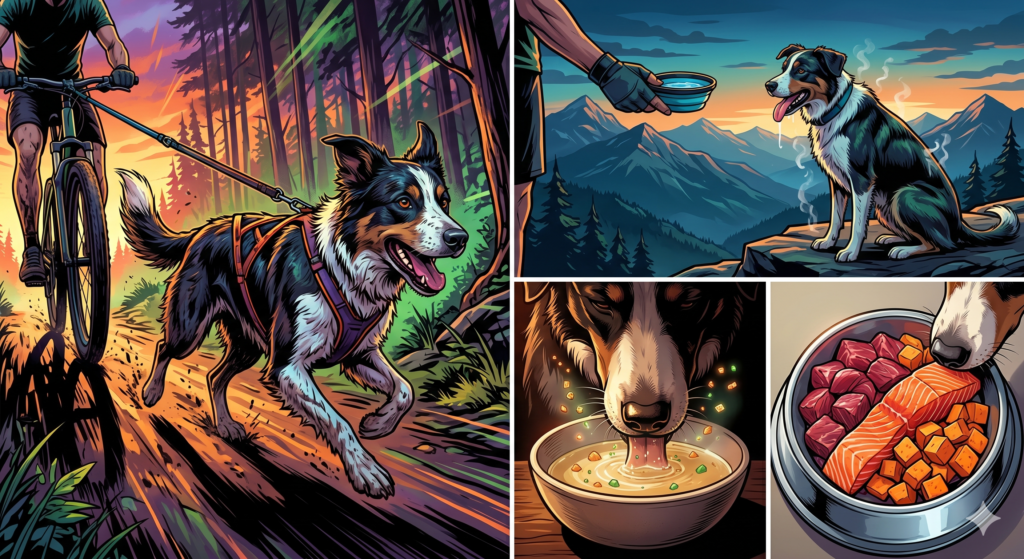
Every handler knows the exhilarating feeling of crossing the finish line after a grueling bikejoring run, nailing a clean agility course, or completing a demanding backcountry trail. Your heart is pounding, your adrenaline is surging, and your dog is sporting that unmistakable, tongue-out canine smile. That’s the moment when sports dog recovery window techniques come in hand. But once the dust settles, a critical biological clock starts ticking. Just like human athletes, canine athletes experience a specific post-exercise phase where their bodies are primed to repair tissue and replenish energy. In the world of working and sporting dogs, this is often referred to as the recovery window. However, feeding a dog after extreme physical exertion isn’t as simple as dumping kibble into a bowl the moment you get back to the truck. In fact, doing so can be incredibly dangerous. Let’s dive into the science of the canine recovery window: exactly when it’s safe to feed your dog, what nutrients they need to bounce back, and how to protect them from life-threatening medical emergencies. The Golden Rule: The Cool-Down Comes First Before we even discuss macronutrients or supplements, we must address the most critical factor in post-exercise canine care: the cool-down period. Feeding a dog whose heart rate is still elevated and whose respiration is high is a recipe for disaster. When a dog exercises intensely, blood flow is diverted away from the stomach and directed toward the muscles and lungs to sustain performance. If you introduce food or large amounts of water into the stomach while the digestive system is essentially “offline,” you drastically increase the risk of Gastric Dilatation-Volvulus (GDV), commonly known as bloat. The 60-Minute Rule: As a strict guideline, wait at least 30 to 45 minutes after exercise to offer small amounts of water, and at least 60 minutes before offering a solid meal. The dog’s breathing must return to a completely normal, resting rate before any food is introduced. Rehydration First, Refueling Second The very first stage of the recovery window isn’t food—it’s hydration. Extreme exercise, especially in working breeds or during warm-weather mushing and canicross sessions, causes rapid moisture loss through panting. According to veterinary sports medicine guidelines, rehydration should be strategic: Avoid Gulping: Do not let your dog chug gallons of ice-cold water immediately after a run. This can trigger vomiting or contribute to GDV. Offer small, controlled amounts of ambient-temperature water every 10–15 minutes during the cool-down. The Power of Nutrient-Enhanced Water: To kickstart recovery without overloading the stomach, many handlers use “water baiting” or flavored hydration. Adding a tablespoon of commercial canine electrolytes or a splash of low-sodium, homemade bone broth to the water encourages drinking and begins restoring lost fluids and trace minerals. What to Feed: The Science of Canine Muscle Recovery Once your dog is completely cool, relaxed, and resting, the true metabolic recovery window opens. In canine sports physiology, the goal of post-exercise nutrition is twofold: replenishing glycogen stores (the muscles’ primary energy source) and repairing muscle tissue micro-tears. Unlike humans, who rely heavily on massive carbohydrate loading after a workout, a dog’s metabolic engine runs primarily on fats and high-quality proteins. 1. High-Bioavailability Protein (The Building Blocks) During extreme exertion, muscle fibers experience microscopic damage. To repair this tissue and prevent muscle wasting, your dog needs easily digestible, high-quality animal protein rich in essential amino acids. What to look for: Real meats like chicken, beef, or fish. If you feed kibble, ensuring it has a highly digestible protein source as the primary ingredient is key. For raw feeders, easily consumable proteins like green tripe or lean muscle meat are excellent post-workout options. 2. High-Quality Fats (The Sustained Fuel) While carbohydrates can help rapidly rebuild glycogen stores immediately after a sprint, studies in journals like Veterinary Clinics of North America: Small Animal Practice show that endurance dogs (like sled dogs and distance runners) metabolize fats with incredible efficiency. Incorporating healthy fats, such as Omega-3 fatty acids from fish oil, not only aids in energy replenishment but also acts as a powerful natural anti-inflammatory to reduce joint and muscle soreness. 3. Strategic Carbohydrates (For Fast-Twitch Athletes) If your dog participates in high-intensity, short-duration sports like Agility or Flyball, their body utilizes anaerobic pathways that deplete glycogen quickly. A small, easily digestible carbohydrate source (like a bit of pureed pumpkin or sweet potato) included in their post-cool-down meal can help accelerate glycogen synthesis. Summary Checklist for Post-Exercise Recovery To make things easy on your next adventure, keep this timeline in mind: Time Elapsed Action Rationale 0–15 Mins Active walking cool-down. No food. Lowers heart rate and body temperature safely. 15–30 Mins Small sips of water or bone broth. Initiates safe rehydration without stomach distress. 45–60 Mins Verify resting respiratory rate. Ensures the digestive system is ready to receive food. 60+ Mins Feed a balanced, protein-and-fat-rich meal. Maximizes muscle repair and energy replenishment. By mastering the timing and composition of your dog’s post-workout meals, you aren’t just feeding a pet—you are fueling an athlete. Protect their stomach first, give their muscles the premium nutrients they deserve second, and watch their performance, longevity, and enthusiasm for the sport skyrocket.
Paws and Philosophy: What Dogs Can Teach Us About Living in the Now
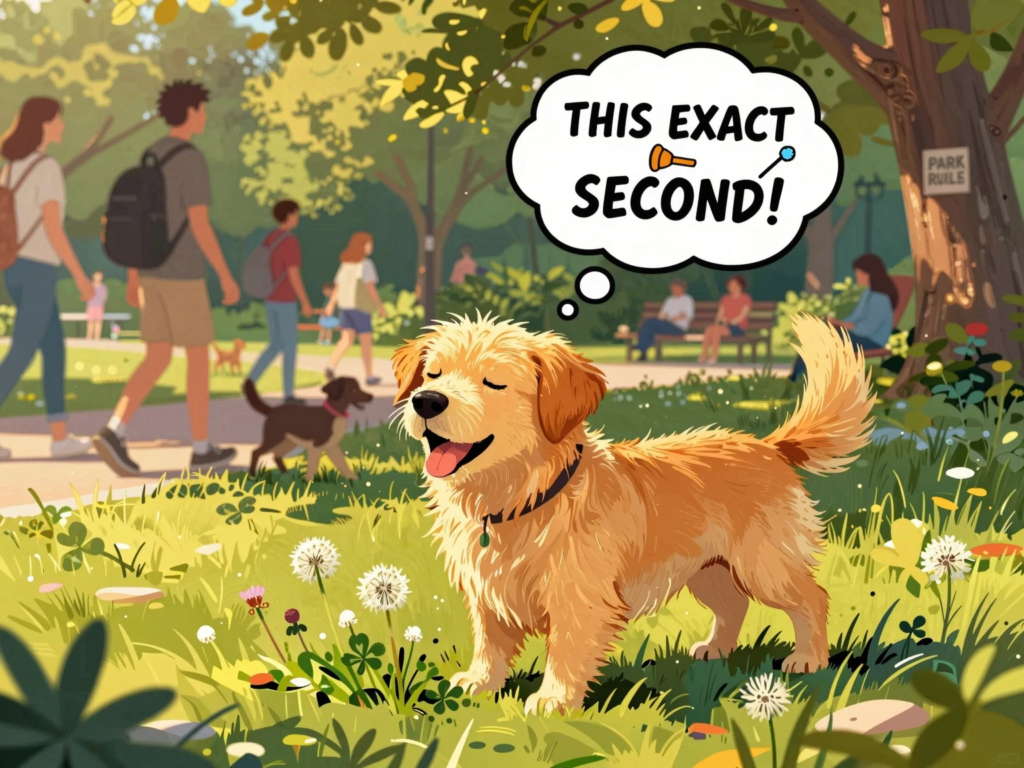
We often spend our days caught in a loop of “what-ifs” about the future or “if-onlys” about the past. Meanwhile, our dogs are curled up at our feet, perfectly content with the temperature of the floor and the scent of the air. While humans have mastered the art of overthinking, dogs have mastered the art of being. Living in the present with dogs can teach us so many valuable things. By bridging the gap between canine behavior and practical philosophy, we can find a surprisingly effective blueprint for a more resilient life. The Zen of the Scent When a dog goes for a walk, they aren’t thinking about their next meal or a mistake they made three years ago. They are engaged in “sniffari”—a sensory-led exploration where the only thing that matters is the blade of grass right in front of them. In philosophical terms, this is the essence of Mindfulness. As noted by researchers in Applied Animal Behaviour Science, a dog’s primary way of processing the world is through immediate sensory input. They don’t label moments as “boring” or “productive”; they simply experience them. When we join them in this—truly noticing the wind on our faces or the rhythm of our stride—we practice the art of presence. Control and the “Leash” of Life One of the hardest lessons for humans to learn is the distinction between what we can control and what we cannot. Dogs, by necessity, live within boundaries set by others. They cannot control when the rain stops, when the door opens, or when the car turns left. Instead of resisting these external forces with anxiety, dogs tend to adapt. They find the sunny spot on the carpet when it rains, or they nap when the house is quiet. This mirrors the Stoic principle of the Dichotomy of Control. As Epictetus famously suggested, our well-being depends on focusing only on our own actions and responses, letting go of the rest. A dog doesn’t bark at the clouds to make the sun come out; they simply adjust their expectations to the current reality. The Power of Radical Acceptance Psychologists often cite “Radical Acceptance” as a tool for emotional regulation. Dogs embody this perfectly. If a dog loses a limb or experiences a change in environment, they don’t spend months mourning their former “self.” They immediately begin the process of learning how to move with three legs or navigate a new backyard. “Dogs are our link to paradise. They don’t know evil or jealousy or discontent. To sit with a dog on a hillside on a glorious afternoon is to be back in Eden, where doing nothing was not boring—it was peace.” — Milan Kundera Practical Takeaways for Your Daily Walk You don’t need a meditation retreat to find peace; you just need to watch your dog. Here are three ways to apply “Dog Philosophy” today: Follow the Nose: Next time you’re outside, pick one sense to focus on for five minutes. What do you hear? What do you smell? Accept the “Rain”: When a plan falls through, ask yourself: “Am I barking at the clouds?” If it’s out of your control, find your “indoor sunny spot” instead. Forgive Instantly: Dogs don’t hold grudges. They treat every arrival at the front door like a brand-new, joyous event. By observing our canine companions, we realize that the “present moment” isn’t a destination to reach—it’s the only place that actually exists. Don’t forget to check our Blog for more wonderful canine world content!
Fueling the Athlete: Timing Your Dog’s Meals for Exercise and Safety
Feeding dogs before and after exercise is not as simple as it seems. We all love seeing our dogs sprint through the park, join us on a trail run, or catch a frisbee with athletic grace. Keeping our companions active is vital for their mental and physical health. However, when it comes to canine nutrition and exercise, timing is just as important as the quality of the kibble. Feeding your dog at the wrong time can lead to more than just a stomach ache; it can lead to a life-threatening emergency. Here is how to fuel your furry athlete safely. The Golden Rule: Avoiding Gastric Torsion (Bloat) Before we dive into the “when,” we must discuss the “why.” The biggest risk of improper feeding around exercise is Gastric Dilatation-Volvulus (GDV), commonly known as Bloat or Gastric Torsion. GDV occurs when a dog’s stomach fills with gas, food, or fluid and then twists. This traps the contents and cuts off blood supply to vital organs. According to the American Kennel Club (AKC) and the Merck Veterinary Manual, GDV is a high-mortality emergency that requires immediate surgery. Pro-Tip: Large, deep-chested breeds (like Great Danes, German Shepherds, Labrador Retrievers, Golden Retrievers and Standard Poodles) are at a higher risk, but it can happen to any dog. Exercise on a full stomach is a primary trigger. 1. Before the Activity: The “Two-Hour” Window To prevent the stomach from being too heavy or active during exercise, follow these guidelines: The Wait Time: Avoid feeding a full meal at least 2 hours before intense physical activity. Small Snacks: If you are going for a long hike, a very small, high-protein snack 30 minutes prior is usually safe for most dogs, but consult your vet if your dog is prone to bloat. The Content: Pre-exercise meals should be easily digestible. Avoid high-fiber fillers that cause gas. 2. During the Activity: Hydration is Key While food is usually a “no-go” during intense movement, hydration is non-negotiable. Small Sips: Do not let your dog gulp down an entire bowl of water at once. This can swallow air and contribute to bloat. Offer small amounts of water frequently. Cool, Not Cold: Extremely cold water can occasionally cause stomach cramps in an overheated dog. Room temperature or slightly cool water is best. 3. After the Activity: The Cool-Down Period After your dog has finished their “workout,” their body is still in a high-metabolic state. Feeding them immediately can lead to vomiting or GDV. Recovery Timeline Time After Exercise Action 0 – 30 Minutes Allow the dog to pant and bring their heart rate down. Small sips of water only. 30 – 60 Minutes Once breathing is completely back to normal, you can offer more water. 60+ Minutes This is the “Safe Zone” for a full meal. Summary Checklist for Owners Wait 2 hours after a meal before running or playing hard. Wait 1 hour after exercise before providing a full meal. Monitor for symptoms: If your dog shows signs of a distended abdomen, unproductive retching (trying to vomit but nothing comes up), or extreme restlessness after eating/exercise, contact an emergency vet immediately. By following these simple timing rules, you ensure that your dog stays energized, healthy, and—most importantly—safe while enjoying the great outdoors with you. Check our Blog for more adventure and safety tips for you and your furry best friend!