The Inbound Recovery Window: What and When to Feed Your Dog After Extreme Exercise
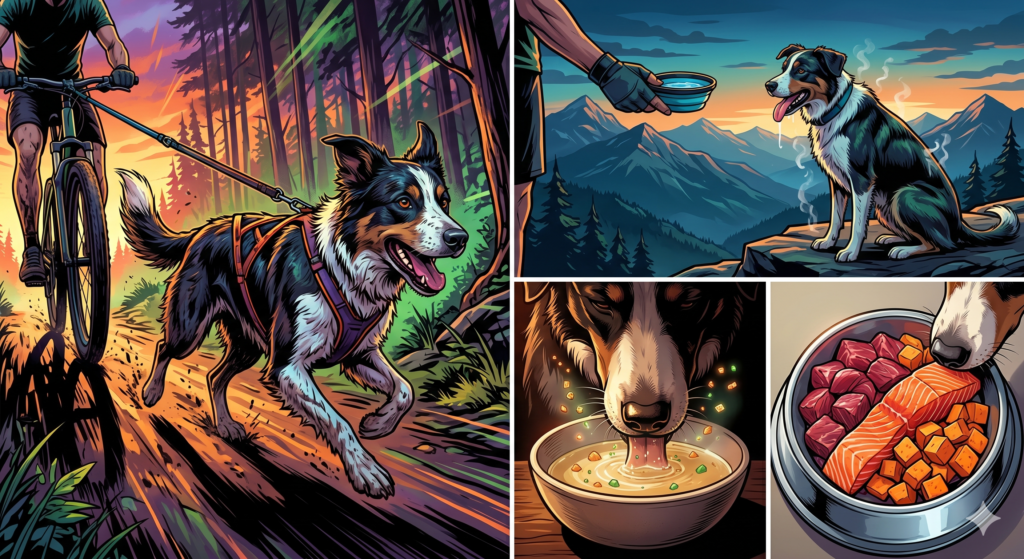
Every handler knows the exhilarating feeling of crossing the finish line after a grueling bikejoring run, nailing a clean agility course, or completing a demanding backcountry trail. Your heart is pounding, your adrenaline is surging, and your dog is sporting that unmistakable, tongue-out canine smile. That’s the moment when sports dog recovery window techniques come in hand. But once the dust settles, a critical biological clock starts ticking. Just like human athletes, canine athletes experience a specific post-exercise phase where their bodies are primed to repair tissue and replenish energy. In the world of working and sporting dogs, this is often referred to as the recovery window. However, feeding a dog after extreme physical exertion isn’t as simple as dumping kibble into a bowl the moment you get back to the truck. In fact, doing so can be incredibly dangerous. Let’s dive into the science of the canine recovery window: exactly when it’s safe to feed your dog, what nutrients they need to bounce back, and how to protect them from life-threatening medical emergencies. The Golden Rule: The Cool-Down Comes First Before we even discuss macronutrients or supplements, we must address the most critical factor in post-exercise canine care: the cool-down period. Feeding a dog whose heart rate is still elevated and whose respiration is high is a recipe for disaster. When a dog exercises intensely, blood flow is diverted away from the stomach and directed toward the muscles and lungs to sustain performance. If you introduce food or large amounts of water into the stomach while the digestive system is essentially “offline,” you drastically increase the risk of Gastric Dilatation-Volvulus (GDV), commonly known as bloat. The 60-Minute Rule: As a strict guideline, wait at least 30 to 45 minutes after exercise to offer small amounts of water, and at least 60 minutes before offering a solid meal. The dog’s breathing must return to a completely normal, resting rate before any food is introduced. Rehydration First, Refueling Second The very first stage of the recovery window isn’t food—it’s hydration. Extreme exercise, especially in working breeds or during warm-weather mushing and canicross sessions, causes rapid moisture loss through panting. According to veterinary sports medicine guidelines, rehydration should be strategic: Avoid Gulping: Do not let your dog chug gallons of ice-cold water immediately after a run. This can trigger vomiting or contribute to GDV. Offer small, controlled amounts of ambient-temperature water every 10–15 minutes during the cool-down. The Power of Nutrient-Enhanced Water: To kickstart recovery without overloading the stomach, many handlers use “water baiting” or flavored hydration. Adding a tablespoon of commercial canine electrolytes or a splash of low-sodium, homemade bone broth to the water encourages drinking and begins restoring lost fluids and trace minerals. What to Feed: The Science of Canine Muscle Recovery Once your dog is completely cool, relaxed, and resting, the true metabolic recovery window opens. In canine sports physiology, the goal of post-exercise nutrition is twofold: replenishing glycogen stores (the muscles’ primary energy source) and repairing muscle tissue micro-tears. Unlike humans, who rely heavily on massive carbohydrate loading after a workout, a dog’s metabolic engine runs primarily on fats and high-quality proteins. 1. High-Bioavailability Protein (The Building Blocks) During extreme exertion, muscle fibers experience microscopic damage. To repair this tissue and prevent muscle wasting, your dog needs easily digestible, high-quality animal protein rich in essential amino acids. What to look for: Real meats like chicken, beef, or fish. If you feed kibble, ensuring it has a highly digestible protein source as the primary ingredient is key. For raw feeders, easily consumable proteins like green tripe or lean muscle meat are excellent post-workout options. 2. High-Quality Fats (The Sustained Fuel) While carbohydrates can help rapidly rebuild glycogen stores immediately after a sprint, studies in journals like Veterinary Clinics of North America: Small Animal Practice show that endurance dogs (like sled dogs and distance runners) metabolize fats with incredible efficiency. Incorporating healthy fats, such as Omega-3 fatty acids from fish oil, not only aids in energy replenishment but also acts as a powerful natural anti-inflammatory to reduce joint and muscle soreness. 3. Strategic Carbohydrates (For Fast-Twitch Athletes) If your dog participates in high-intensity, short-duration sports like Agility or Flyball, their body utilizes anaerobic pathways that deplete glycogen quickly. A small, easily digestible carbohydrate source (like a bit of pureed pumpkin or sweet potato) included in their post-cool-down meal can help accelerate glycogen synthesis. Summary Checklist for Post-Exercise Recovery To make things easy on your next adventure, keep this timeline in mind: Time Elapsed Action Rationale 0–15 Mins Active walking cool-down. No food. Lowers heart rate and body temperature safely. 15–30 Mins Small sips of water or bone broth. Initiates safe rehydration without stomach distress. 45–60 Mins Verify resting respiratory rate. Ensures the digestive system is ready to receive food. 60+ Mins Feed a balanced, protein-and-fat-rich meal. Maximizes muscle repair and energy replenishment. By mastering the timing and composition of your dog’s post-workout meals, you aren’t just feeding a pet—you are fueling an athlete. Protect their stomach first, give their muscles the premium nutrients they deserve second, and watch their performance, longevity, and enthusiasm for the sport skyrocket.
Dog Sports: 4 Common Myths vs. The Reality of Canine Athletics
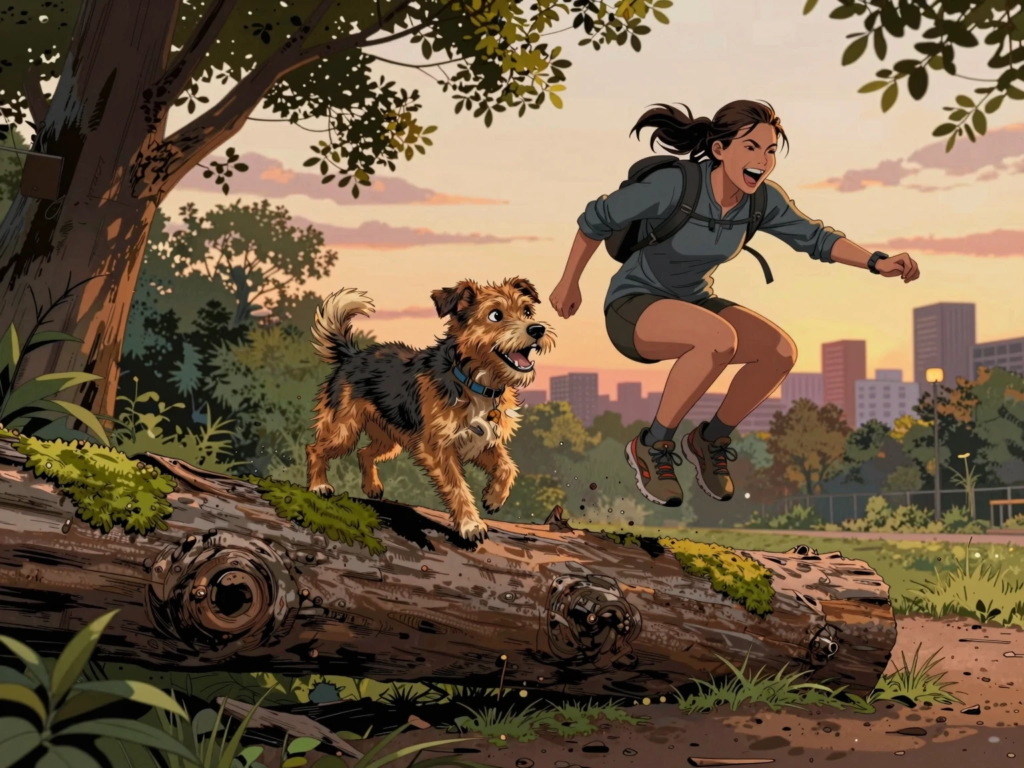
We’re all watching those lightning-fast Border Collies at Crufts 2026, weaving through poles with surgical precision. It’s breathtaking, but for many dog owners, it’s also intimidating. You look at your mixed-breed rescue or your slightly-too-relaxed family pet and think, “That’s not for us.” Or worse, you hear skeptics say that sports are “too much” for a dog. There are common dog sports myths. Today, we’re stripping away the gatekeeping and the misconceptions. Whether it’s Canicross, Hoopers, or Canine Parkour, dog sports aren’t just for the elite—they are for the connected. Myth #1: “My dog isn’t a purebred, so we aren’t welcome.” The Reality: Modern dog sports are more diverse than ever. While certain breeds were historically developed for specific tasks, the “drive” to work isn’t exclusive to a pedigree. In fact, some of the most inspiring competitors in Agility and Mushing today are “All-American” mixed breeds and rescues. Most international organizations now have specific divisions for non-purebred dogs. The goal isn’t to look like a breed standard; it’s to move, think, and solve problems together. Whether your dog is a Terrier-mix with endless energy or a retired Greyhound looking for low-impact Hoopers, there is a place for you on the field. Myth #2: “Is dog sport just ‘forcing’ the animal to work?” The Reality: It’s about biological fulfillment, not coercion. This is a common objection from well-meaning animal lovers. However, viewing sports as “work” in a negative sense misses the point of canine evolution. Dogs are born with a biological “need” for a job. When we deny them an outlet for their instincts—like pulling in Bikejoring or navigating obstacles—that energy often turns into anxiety or destructive behavior at home. In sports like Agility, you cannot “force” a dog to perform with speed and joy. If the partnership isn’t based on positive reinforcement and genuine fun, the dog simply won’t do it. A dog in a sport isn’t a tool; they are a teammate. Myth #3: “I’m not an athlete, so I can’t do this.” The Reality: There is a pace for every pair. You don’t need to be a marathon runner to enjoy an active life with your dog. Sports like Canine Parkour focus on balance, core strength, and slow, controlled movements—perfect for owners who prefer a steady walk over a sprint. Even Canicross (cross-country running with your dog) can start as “Canihiking.” The focus shouldn’t be on the podium or the stopwatch. In the spirit of a more balanced, Stoic approach to life, the “win” is the presence you share with your dog during the activity, not the trophy at the end. Myth #4: “Dog sports are too expensive and require too much gear.” The Reality: Your backyard is your stadium, and your current leash is your starting line. One of the biggest misconceptions fueled by professional competitions is that you need a trailer full of specialized equipment to get started. While high-end gear exists for elite competitors, the barrier to entry for a hobbyist is remarkably low. Start Where You Are: Many of the most popular activities, like Canine Parkour or Hoopers, can be practiced with items you already have at home. A sturdy harness, a standard leash, and a handful of high-value treats are all you need to begin teaching foundational movements. In fact, “Urban Parkour” encourages you to use the environment around you—fallen logs, park benches, and curbs—as your equipment. The “DIY” Advantage: If you are interested in Agility, you don’t need to buy a regulation A-frame on day one. PVC pipes can become weave poles, and a simple hula-hoop can serve as a jump. For sports like Canicross or Bikejoring, while a specific pulling harness is a vital safety investment once you commit, you can test the waters by simply power-walking or light jogging with your dog on a standard, comfortable harness. Focus on the Bond, Not the Brand: In the end, your dog doesn’t care about the brand of your running belt or the color of the agility tunnels. They care about the engagement and the time spent with you. Investing in “experiences” over “things” is not just a budget-friendly move; it’s a more focused way to build a relationship based on communication rather than consumerism. Pro-Tips: How to Start Your Dog Sport Journey Today Ready to take the leap? Before you head out, keep these expert tips in mind to ensure a successful and joyful start for both you and your teammate: Prioritize a Vet Check: Before starting high-impact sports like Agility or distance sports like Canicross, have a quick chat with your vet. Ensuring your dog’s joints and heart are ready for the extra work is the first step of a responsible handler. The 5-Minute Rule: When starting out, keep sessions short and sweet. It is better to have 5 minutes of high-energy, successful engagement than 20 minutes of fatigue and boredom. Always end the session while your dog still wants more! Master the “Reset” reward: In sports, the reward (treat or toy) isn’t just for the finish line. Use it to mark small wins. A dog that associates the “work” with a high-value reward will develop the “drive” that makes sports look effortless. Focus on the Foundation: Don’t rush to the complex obstacles. Spend time on basic cues like “left/right” (directional cues) and “steady.” A strong foundation makes learning any specific sport 10x faster later on. Record Your Progress: Use your phone to film your practice. Not only is it great for your blog or Instagram, but it’s also the best way to see how your dog is responding to your body language. You’ll be amazed at the progress you see in just one month! Conclusion: Beyond the Ribbon Ultimately, debunking these myths allows us to see dog sports for what they truly are: a sophisticated form of play. It’s an investment in your dog’s mental health and your own physical well-being. Don’t let the “perfection” of televised competitions stop you from starting your own journey in your backyard or
Crufts 2026: A Guide to the World’s Greatest Dog Show
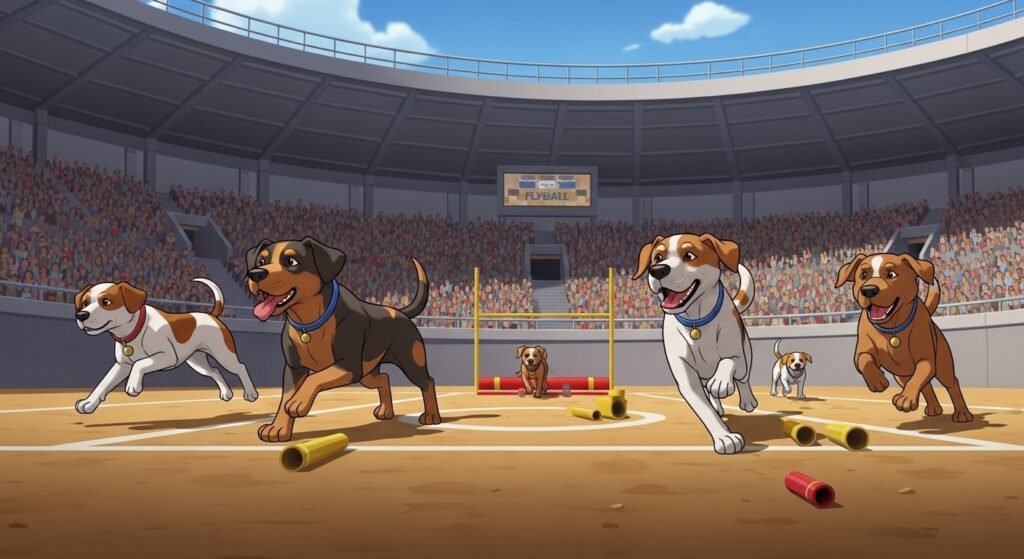
We’re back on the track! And this time to cover no less than the greatest dog event of the world! If there is one event that every dog lover has on their bucket list, it is Crufts. Organised by The Royal Kennel Club, Crufts is not just a dog show; it is a massive four-day celebration of everything canine. Held annually at the NEC in Birmingham, UK, it brings together over 18,000 dogs from around the globe to compete for the most prestigious titles in the world. More Than Just “Best in Show” While the crowning of the Best in Show on Sunday night is the most famous moment, Crufts is packed with high-octane action and diverse activities that cater to every interest. Agility and Flyball: For fans of speed, the Agility and Flyball competitions are must-sees. Watching dogs navigate complex obstacle courses or race in relay teams at lightning speed is truly breath-taking. Heelwork to Music: This is essentially “dog dancing.” Handlers and dogs perform choreographed routines to music, showcasing an incredible level of bond and precision. Obedience & Rally: For those who appreciate discipline, the Obedience Championships highlight the peak of canine training. Scruffts: Crufts isn’t just for pedigrees! Scruffts is the national competition for crossbreeds, focusing on character, health, and temperament. The Hero Dog Award: One of the most emotional segments of the show, celebrating dogs that have saved lives or provided life-changing support to their owners. Discover Dogs: If you are attending in person, this area allows you to meet and greet over 200 different breeds and talk to experts about their unique traits. How to Experience Crufts 2026 Whether you are in the UK or across the ocean, you don’t have to miss a second of the action. 1. Attending in Person Crufts 2026 takes place from March 5th to March 8th at the NEC Birmingham. Tickets: Must be purchased in advance via the official Crufts website. Tip: Wear comfortable shoes! With five massive halls and a main arena, you will be doing a lot of walking. 2. Watching from Home (UK) For those in the UK, Channel 4 and More4 provide extensive daily coverage, totaling over 17 hours of broadcasts including the live finale. 3. Global Streaming (International) The best part for international fans? You can watch most of the arena action live and for free on the official Crufts YouTube Channel. They provide live streams of the main arena and agility rings, as well as highlights and behind-the-scenes clips. 4. Crufts also has a very nice Instagram channel. Why It Matters Crufts remains a cornerstone of the dog world because it promotes responsible dog ownership and celebrates the unique bond we share with our four-legged friends. From the rarest “vulnerable” native breeds to the world-famous Golden Retrievers, it is a spectacle of diversity and dedication. Keep watching our blog for more news, see you soon!
Beyond Agility: Discover the Magic of Hoopers and Canine Parkour
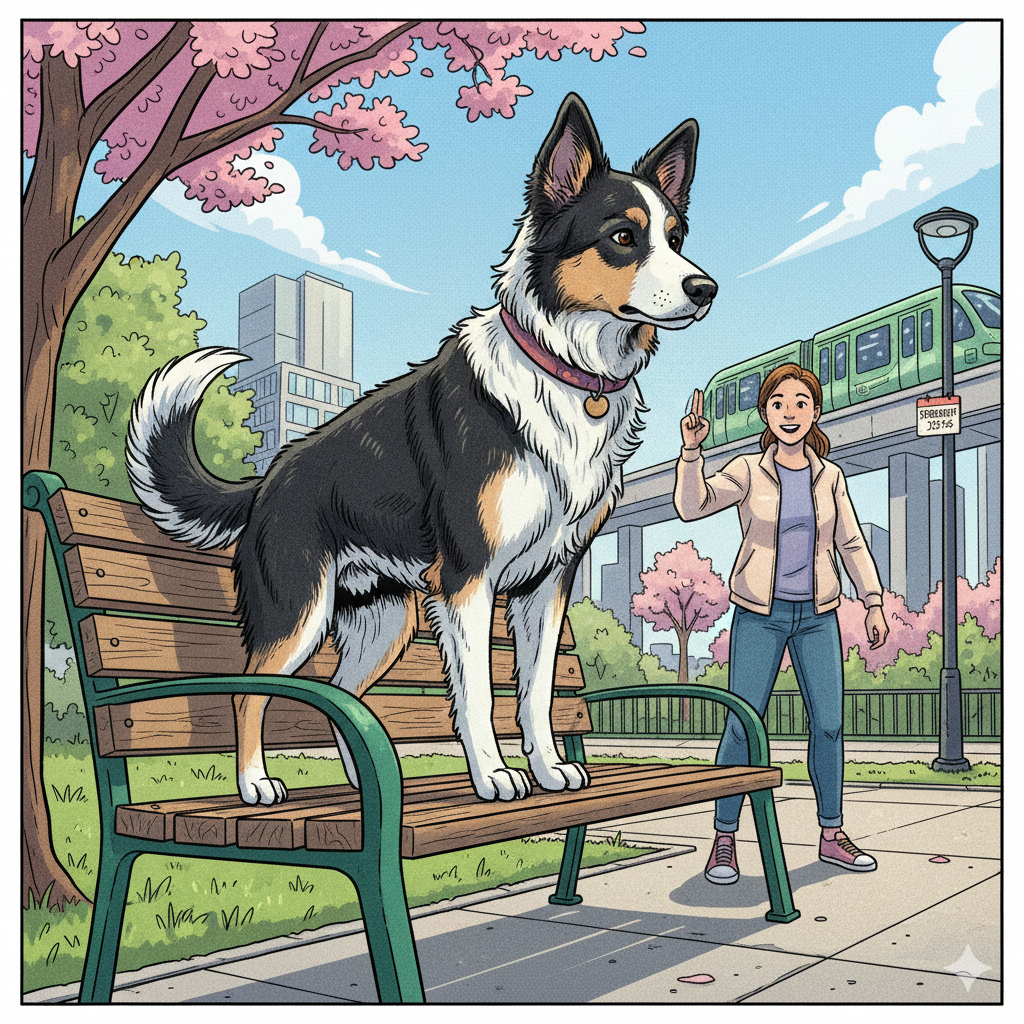
If you love the idea of canine sports but worry about the high-impact nature of jumping, you’re not alone. In 2026, the canine world is shifting toward inclusive fitness. Enter Hoopers and Canine Parkour—two fast-growing activities that offer all the mental and physical thrills of Agility, with a focus on longevity and accessibility. Whether you have a senior dog, a giant breed, or a young pup, these sports are designed for everyone. What is Hoopers? The Low-Impact Revolution Originally derived from Agility, Hoopers replaces jumps with large circular hoops. The dog runs through the hoops rather than leaping over bars. The Flow: Courses consist of hoops, tunnels, barrels, and “mats.” There are no sharp turns or jumps, making it incredibly gentle on a dog’s joints. Distance Handling: Unlike traditional Agility, Hoopers emphasizes the handler staying in a limited area while directing the dog from a distance—a fantastic challenge for your communication skills! According to UK Hoopers: This sport is ideal for dogs that need to keep their “zoomies” in check without the physical toll of high-impact landing. Canine Parkour: The World is Your Playground Often called “Urban Agility,” Canine Parkour is about interacting with the environment in creative ways. It’s not about speed; it’s about balance, core strength, and confidence. The Obstacles: A park bench becomes a “balance beam,” a fallen log becomes a “hurdle,” and a wall becomes a “two-paws-up” station. Proprioception: It teaches dogs where their back paws are—a skill many dogs actually lack! Safety First: The International Dog Parkour Association (IDPKA) emphasizes that dogs should always wear a harness for safety and “spotting” by the owner. Comparing the Two: Which One is Right for You? Feature Hoopers Canine Parkour Physical Impact Very Low (No jumping) Moderate (Climbing/Balancing) Environment Flat field or indoor arena Anywhere (Urban or Nature) Equipment Needed Hoops, Barrels, Tunnels Harness, Leash, and the World Main Benefit Speed and Distance Control Confidence and Core Strength Reference Sites for Gear & Certification To get started properly, check out these industry leaders: Hoopers World: The go-to source for lightweight, portable hoops and training equipment. FitPAWS: While they focus on conditioning, their equipment is the gold standard for preparing your dog’s core for Parkour movements. International Dog Parkour Association: A great place to find titles and certification paths you can achieve right from your own neighborhood You can always check your local associations and market for gear. Why These Sports are Dominating in 2026 The shift toward “Fitness for All” means owners are looking for ways to keep their dogs active into their golden years. Hoopers and Parkour are not just sports; they are confidence-builders that turn a regular walk into an adventurous training session. As we usually say here, it’s very important for owners to take care of themselves too, wearing proper shoes and clothing, check local weather, as well as double checking courses safety and correct hydratation for you and your furry buddy. And always obeserve dog’s reactions. Never force anything if your dog is too tired or not having fun anymore! Keep watching our Blog for more news about the wonderful world of dog adventures!