Mushing 101: The Ultimate Guide to Getting Started with Your Dog
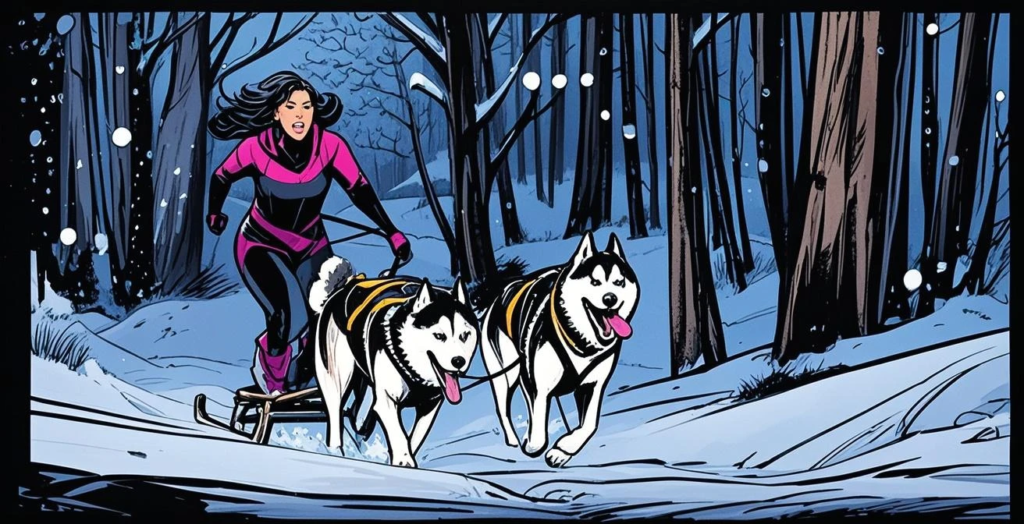
It’s snow time! But it doesn’t need to be! When most people hear the word mushing, they immediately think of the snowy plains of Alaska and a team of Huskies racing through a blizzard. While that’s the classic image, the world of mushing is much bigger (and often much warmer!) than you might think. Whether you have a team of ten or just one energetic pup, mushing is a fantastic way to burn energy and strengthen your bond. Grab a leash, and let’s dive into the “paws-ibilities” of this incredible sport! What Exactly is Mushing? At its core, mushing is a sport where one or more dogs pull a vehicle (a sled, a bike, or even you!). While it started as a necessary form of transportation in the Arctic, it has evolved into a global competitive sport. Today, we categorize it into two main types: Sledding: The traditional winter version on snow. Dryland Mushing: The “off-snow” version involving running (Canicross), biking (Bikejoring), or using scooters and wheeled carts (Rigging). The Essential Gear: Safety and Comfort First You can’t just use a standard neck collar for mushing; it could hurt your dog’s neck and restrict their breathing. Professional equipment is a must. 1. The Harness The X-Back harness is the industry standard. It’s designed to distribute the pulling weight across the dog’s chest and ribcage rather than the neck. Note: For certain breeds or shorter dogs, a “Half-back” or “Long-distance” harness might be recommended. 2. The Tugline (Bungee Lead) This isn’t your average leash. A mushing line must have a bungee (shock absorber) component. This protects both the dog’s spine and your back from sudden jolts when starting or stopping. 3. The Vehicle Sleds: Made of wood or carbon fiber for snow. Gigs/Rigs: Three or four-wheeled carts for dryland. Bikes/Scooters: For smaller teams (1-2 dogs, also called Urban Mushing) 4. Booties and Paw Care Especially in the snow or on rough gravel, booties are essential to prevent ice buildup or abrasions between the paw pads. Rules of the Trail Every sport needs a bit of order! While specific rules vary by event, the International Federation of Sleddog Sports (IFSS) sets the standard. Key rules usually include: The “No-Whip” Rule: Mushing is built on a relationship of trust. Any form of physical abuse or forceful “motivation” is strictly prohibited and results in immediate disqualification. Right of Way: In races, the faster team usually has the right of way. The “trail” command is called out to signal an overtake. Dog Welfare: Most federations require mandatory vet checks before races to ensure every dog is hydrated, healthy, and happy to run. Federations and Where to Learn More If you’re looking to get competitive or find a local community, these organizations are the “top dogs” in the industry: IFSS (International Federation of Sleddog Sports): The global governing body for the sport. ISDRA (International Sled Dog Racing Association): Great for those looking for North American events and regulations. Non-stop Dogwear: While a brand, their blog and tutorials are goldmines for beginners. Alpine Outfitters: A highly trusted source for custom-fitted harnesses and professional gear. Safety Tips for New Mushers Watch the Temperature: Dogs overheat much faster than humans. In dryland mushing, many experts suggest stopping if the temperature rises above 15°C (59°F). Hydration is Key: Offer water frequently, but avoid large meals immediately before or after a run to prevent stomach issues (bloat). Listen to Your Dog: If they stop or seem distracted, don’t force them. The goal is for them to want to pull! Ready to Hit the Trail? Mushing is more than just a workout; it’s a language of “Gees” (turn right) and “Haws” (turn left). It’s about becoming a team with your best friend. Don’t forget to look forward our Blog to find more info about amazing canine sports, including our comprehensive posts about Canicross and Bikejoring!
🐶 Road Trip Ready: The Ultimate Guide to Traveling by Car with Your Dog
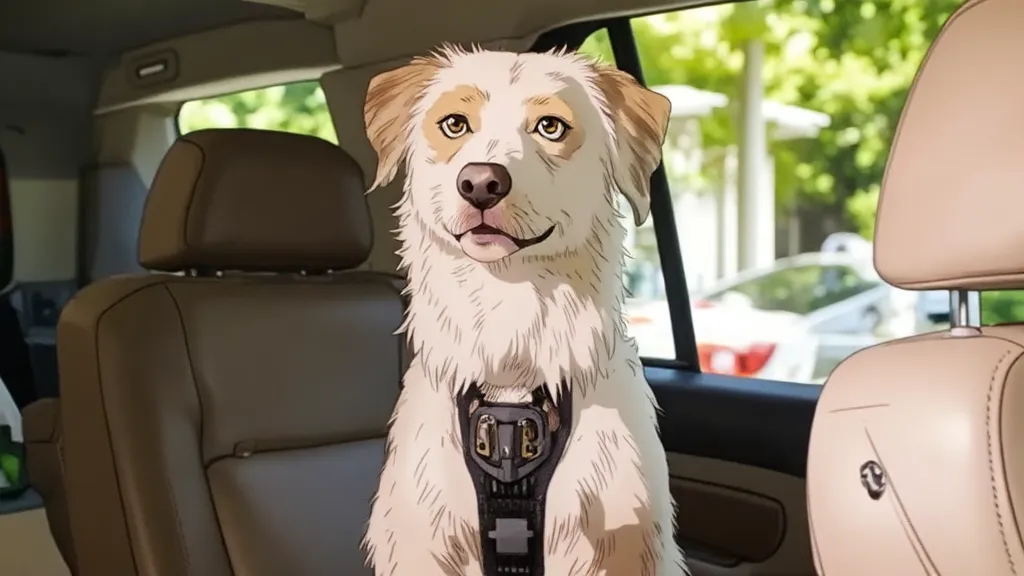
Adventure Awaits! Planning a road trip with your dog? There’s nothing quite like the open road, the wind in your hair… and the joyful panting of your best furry friend beside you. Taking a road trip with your dog can be an incredible bonding experience, but it requires preparation to ensure a safe, comfortable, and fun journey for both of you. Forget the stress—with the right tips and gear your dog will be the perfect co-pilot! 🗺️ Before You Go: Essential Pre-Trip Planning A little preparation goes a long way when traveling with pets. Veterinary Check-Up: Schedule a visit with your vet. Ensure your dog is up-to-date on all vaccinations and has enough of any required medications for the duration of the trip. Ask your vet about motion sickness remedies if your dog is prone to car sickness. Keep documented registry of your dog health care is very important as well. Identification is Key: Make sure your dog is wearing a collar with up-to-date ID tags. If they are microchipped, double-check that your contact information is current with the registry. The Travel Bag Checklist: Don’t forget their essentials! Pack food, water, bowls, waste bags, a favorite blanket or bed (for comfort), and a few familiar toys. 💡 Pro Tip: Bring bottled water from home for the first day or two. A sudden change in drinking water can sometimes cause an upset stomach for sensitive dogs. 🛡️ Safety First: Essential Gear and Restraints Dog safety in a moving vehicle is not just about comfort; it’s a legal and vital necessity. An unrestrained dog can be a dangerous distraction for the driver and is vulnerable in the event of a sudden stop or accident. Recommended Safety Equipment: Equipment Type Description Safety Benefits Harness/Seatbelt Attachment A harness designed for car travel that clips into the car’s seatbelt receptacle. Prevents the dog from roaming and secures them safely to the seat. Pet Travel Crate/Carrier Hard-sided or soft-sided carrier secured to the vehicle with a seatbelt or cargo straps. The safest option, providing a protected “den” and minimizing injury in a collision. Car Barrier/Grille A mesh or metal barrier installed between the front/back seats or the back seat/cargo area. Ideal for large dogs. Keeps the dog in the back area, preventing driver distraction. 📚 Scientific Insight: Studies on canine safety in vehicles, often conducted by organizations like the Center for Pet Safety (CPS) in the US, have shown that not all restraints are equally effective. Look for harnesses that have been crash-tested and certified to provide the best protection. Where to Find Gear: Many online retailers specialize in pet travel gear. You can find crash-tested harnesses and carriers at major marketplaces like Amazon, Gunner Kennels(specialized in crash tested safety crates) or dedicated pet stores like Kurgo, PetSmart , Petco, Baut , Lider da Matilha and other specialized online shops focusing on canine safety. It’s always worth checking your local retails for quaility equipment too. 🐾 On the Road: Making the Drive Comfortable Long drives can be tiring for everyone, especially your furry passenger. Take Frequent Breaks: Plan to stop every 2-3 hours for potty breaks, a stretch, and some quick exercise. This helps reduce restlessness and prevents accidents. Keep Hydrated: Offer water during every stop. Dogs can dehydrate quickly, particularly in hot weather. Never Leave Your Dog Unattended: This is critical. Even on a mild day, the temperature inside a car can rise rapidly, leading to fatal heatstroke. If you need to stop, bring your dog with you. ☀️ Handling Hot Weather and Car Safety If your trip involves warm climates, be extra cautious about heat: Air Conditioning is a Must: Keep the AC running to maintain a comfortable temperature throughout the car, including the back seat or cargo area where your dog is traveling. Avoid Letting Your Dog Hang Their Head Out: While it looks fun, debris, insects, or cold air hitting their face at high speeds can injure their eyes, ears, or nose. Keep windows open just enough for fresh air, but not enough for them to stick their head out. ⚖️ Legal Notes: Rules of the Road Different countries and even states/provinces have different laws regarding pet restraints in cars. In many places, an unrestrained dog can result in a fine, as they are considered a driving distraction. A quick search for “pet car restraint laws” in your destination/route can prevent legal trouble. Conclusion: Happy Trails! Traveling with your dog is an enriching experience that adds an extra layer of joy to any adventure. By prioritizing safety with the right gear and planning for comfort with frequent breaks and hydration, you ensure that your next road trip is memorable for all the right reasons. Now, roll down the window (just a little!), turn up the tunes, and enjoy the ride! Always check our blog for more amazing tips and news about the wonderful world of dog adventures!
Bikejoring for Beginners: The Ultimate Guide to Biking with Your Dog | Dog Sports
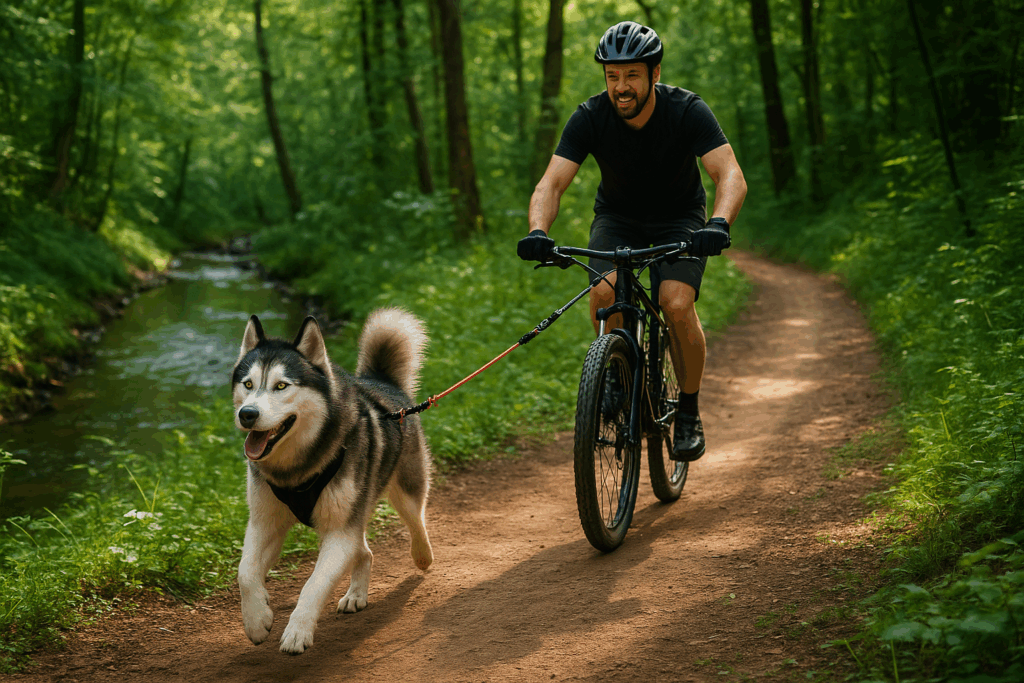
🐾 Gear Up & Go! Your Dog’s Next Big Adventure is Bikejoring Ready to ditch the boring neighborhood walk and kick your dog’s exercise routine into high gear? Meet Bikejoring—the ultimate team sport where you and your dog become a high-speed, two-wheeled (or three!) dynamic duo. It’s fast, it’s fun, and it’s a fantastic way to deepen the bond with your canine companion. But what exactly is it, and how do you start without ending up in a ditch? Let’s dive into this exhilarating dog sport! What in the World is Bikejoring? 🚴🐕 Simply put, Bikejoring is a dog-powered sport where your dog wears a special pulling harness and runs in front of you, pulling you along while you ride a bicycle (usually a mountain bike). Think of it as urban mushing or dryland sledding, but with a bike! It’s all about teamwork: your dog provides the horsepower and you provide the steering, braking and—most importantly—the verbal commands. Who is it for? Energetic dogs who love to run and pull! Breeds commonly seen excelling in Bikejoring include Siberian Huskies, Malamutes, Border Collies, German Shorthaired Pointers, and mixed-breed dogs (often called “Eurohounds” or “Greysters”). A Key Perk: It’s an incredible way to drain the energy of a high-drive dog safely and efficiently. Happy dog, happy life! 🛑 Hold Your Horses! Bikejoring Equipment Essentials Before you hit the trails, safety first! A common mistake for beginners is simply attaching a regular leash to the handlebars—never do this! It’s extremely dangerous for you and your furry friend and can lead to severe accidents. Here’s the essential (and required!) gear for safe and fun Bikejoring: Gear Type What You Need Why It’s Crucial For Your Dog Pulling Harness (X-Back or H-Back style) Ensures force is distributed evenly across the chest and shoulders, not the throat. MUST be properly fitted. Connection Line Bungee Line (or Bikejoring Line) A long line (usually 8-10 ft when extended) with a built-in shock absorber to protect both your backs from sudden jerks. For Your Bike Bike Antenna (or Springer) A flexible arm that mounts on your bike frame to keep the pulling line away from the front wheel in case of slack. For the Human Mountain Bike (with good brakes!) Hydraulic disc brakes are highly recommended, especially if your dog is a powerful puller. Helmet and Gloves are mandatory! For Safety Dog Booties (optional, but wise) Protect your dog’s paws on rough or sharp terrain, particularly in competition. 🚨 Editor’s Tip: Always check your bike’s tire pressure and your brakes before every run. You are traveling at high speeds! Never forget the golden rule: safety first! For your beloved four legged friend and for you! These are examples of good places to check specific gear with more details: Alpine Outfitters Non-stop dogwear The Rules of the Trail: Bikejoring 101 Bikejoring isn’t just a blast—it’s a disciplined dog sport with clear rules, especially in organized races. Even if you’re just training for fun adopting these basic rules is vital for safety and effective communication. 📣 Key Commands (The Dog Must Know!) Verbal commands are your steering wheel and brakes. Start practicing these on your regular walks before you introduce the bike: “Hike!” / “Go!”: Start running/Speed up. “Gee”: Turn right. “Haw”: Turn left. “Whoa” / “Stop”: Stop running. “On By”: Ignore distractions (e.g., squirrels, other dogs, people). 📝 Important Safety and Competition Rules Dog Age: Most competition rules (and veterinary advice) state your dog must be at least 18 months old before engaging in hard-pulling activities like Bikejoring to ensure their growth plates are fully closed. Passing: In races, if you are overtaking another team, you must call out, “Trail!” or “Pass!” and announce which side you are passing on (e.g., “Pass on your left!”). The team being passed must clear the trail and help keep their dog focused. Dog Welfare is Priority: Never run your dog in temperatures above 60-65°F (around 15-18°C). Humidity is a factor to be taken in consideration too. Always carry water and check your dog’s paws and breathing. Stop immediately if your dog shows signs of overheating or fatigue. No Pavement: Bikejoring should primarily be done on soft surfaces like dirt trails, forest paths, or grass. Hard surfaces can be brutal on a dog’s joints and paws at high speeds. It’s essentially a contact with nature sport more than everything. 🌐 Need More Info? Reliable Bikejoring Resources Ready to geek out on the gear, training, and competition aspects of this amazing sport? Start with these reliable resources: International Federation of Sleddog Sports (IFSS): For official international rules, standards, and world-class competition details. National/Local Sled Dog or CaniSports Associations: Search for your country’s specific Cani-Sports or Mushing organization (e.g., UK Sleddog Sports Association, also check this link from AKC with important info). They often host local races, workshops, and provide community support. Specialty Gear Retailers (e.g., Non-Stop Dogwear, Howling Dog Alaska): These sites offer not only high-quality, specialized equipment but also excellent guides on proper harness fitting and training tips. Final Thought: Bikejoring is a journey, not a race (unless you sign up for one!). Start slow and keep it fun, enjoy the incredible energy and connection you share with your dog as you fly down the trail together. You’ve got this!