
Beyond Agility: Discover the Magic of Hoopers and Canine Parkour
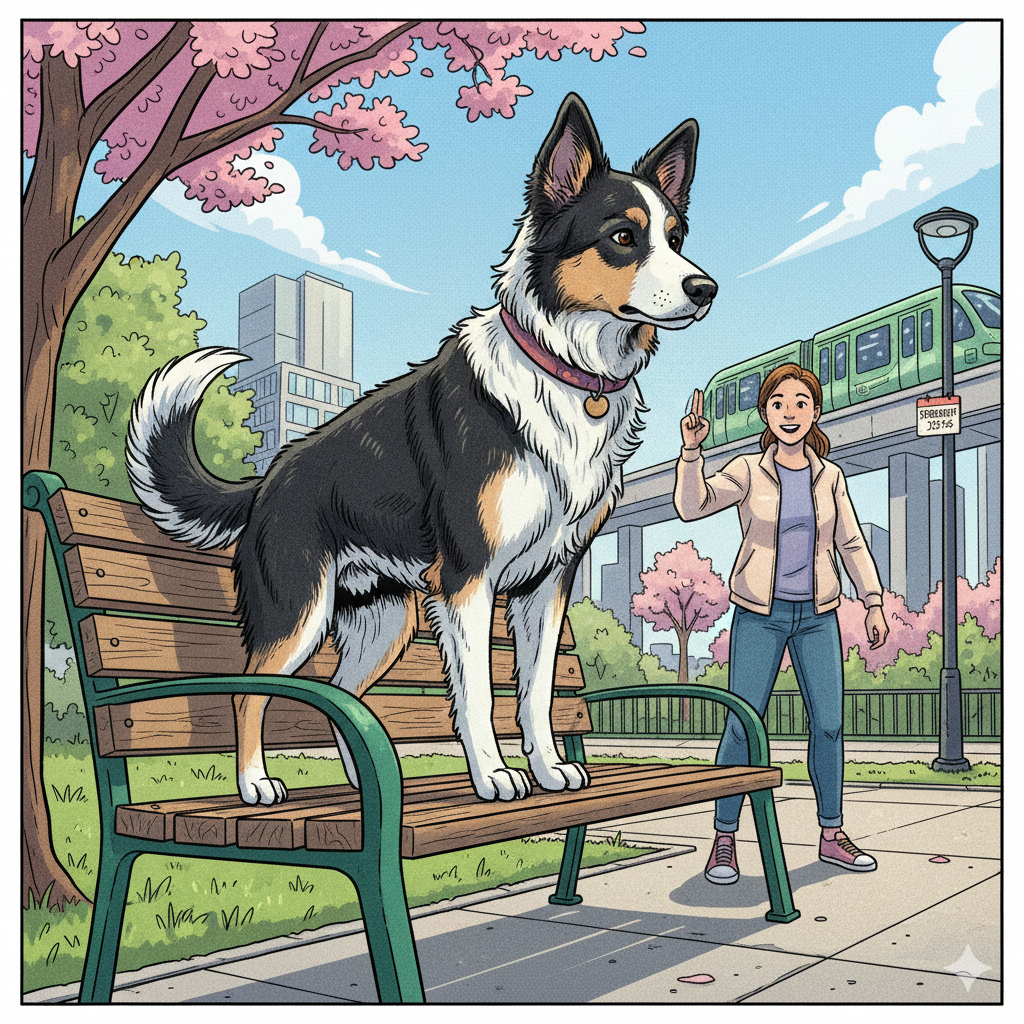
If you love the idea of canine sports but worry about the high-impact nature of jumping, you’re not alone. In 2026, the canine world is shifting toward inclusive fitness. Enter Hoopers and Canine Parkour—two fast-growing activities that offer all the mental and physical thrills of Agility, with a focus on longevity and accessibility. Whether you have a senior dog, a giant breed, or a young pup, these sports are designed for everyone. What is Hoopers? The Low-Impact Revolution Originally derived from Agility, Hoopers replaces jumps with large circular hoops. The dog runs through the hoops rather than leaping over bars. The Flow: Courses consist of hoops, tunnels, barrels, and “mats.” There are no sharp turns or jumps, making it incredibly gentle on a dog’s joints. Distance Handling: Unlike traditional Agility, Hoopers emphasizes the handler staying in a limited area while directing the dog from a distance—a fantastic challenge for your communication skills! According to UK Hoopers: This sport is ideal for dogs that need to keep their “zoomies” in check without the physical toll of high-impact landing. Canine Parkour: The World is Your Playground Often called “Urban Agility,” Canine Parkour is about interacting with the environment in creative ways. It’s not about speed; it’s about balance, core strength, and confidence. The Obstacles: A park bench becomes a “balance beam,” a fallen log becomes a “hurdle,” and a wall becomes a “two-paws-up” station. Proprioception: It teaches dogs where their back paws are—a skill many dogs actually lack! Safety First: The International Dog Parkour Association (IDPKA) emphasizes that dogs should always wear a harness for safety and “spotting” by the owner. Comparing the Two: Which One is Right for You? Feature Hoopers Canine Parkour Physical Impact Very Low (No jumping) Moderate (Climbing/Balancing) Environment Flat field or indoor arena Anywhere (Urban or Nature) Equipment Needed Hoops, Barrels, Tunnels Harness, Leash, and the World Main Benefit Speed and Distance Control Confidence and Core Strength Reference Sites for Gear & Certification To get started properly, check out these industry leaders: Hoopers World: The go-to source for lightweight, portable hoops and training equipment. FitPAWS: While they focus on conditioning, their equipment is the gold standard for preparing your dog’s core for Parkour movements. International Dog Parkour Association: A great place to find titles and certification paths you can achieve right from your own neighborhood You can always check your local associations and market for gear. Why These Sports are Dominating in 2026 The shift toward “Fitness for All” means owners are looking for ways to keep their dogs active into their golden years. Hoopers and Parkour are not just sports; they are confidence-builders that turn a regular walk into an adventurous training session. As we usually say here, it’s very important for owners to take care of themselves too, wearing proper shoes and clothing, check local weather, as well as double checking courses safety and correct hydratation for you and your furry buddy. And always obeserve dog’s reactions. Never force anything if your dog is too tired or not having fun anymore! Keep watching our Blog for more news about the wonderful world of dog adventures!
Fueling the Athlete: Timing Your Dog’s Meals for Exercise and Safety
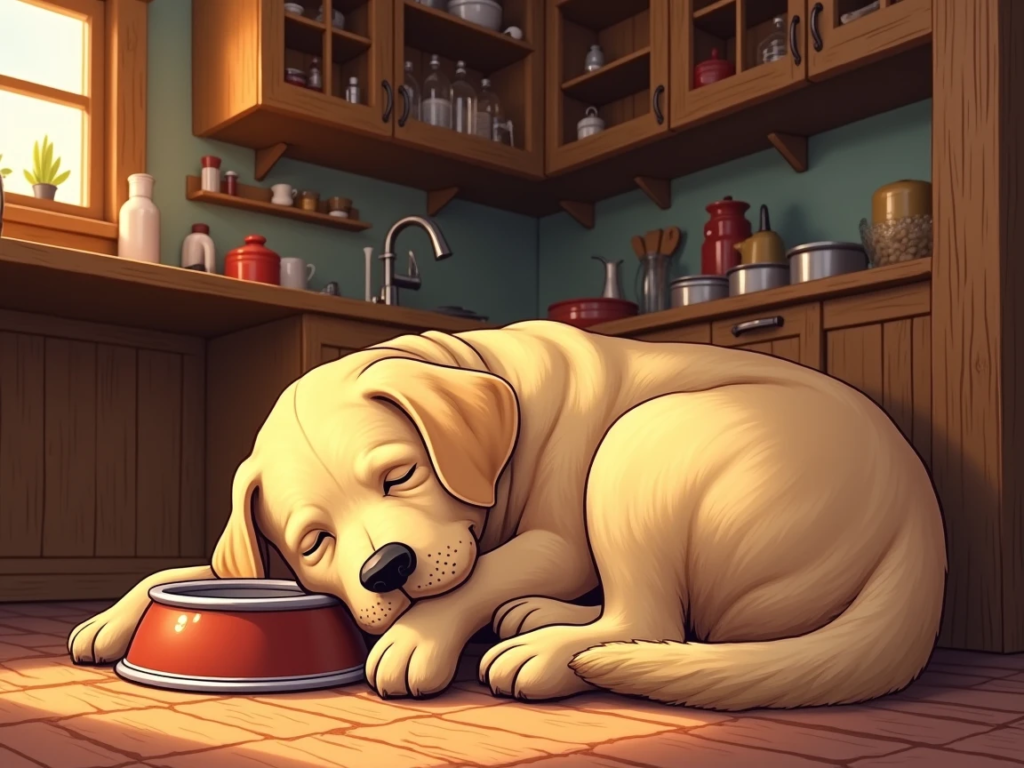
Feeding dogs before and after exercise is not as simple as it seems. We all love seeing our dogs sprint through the park, join us on a trail run, or catch a frisbee with athletic grace. Keeping our companions active is vital for their mental and physical health. However, when it comes to canine nutrition and exercise, timing is just as important as the quality of the kibble. Feeding your dog at the wrong time can lead to more than just a stomach ache; it can lead to a life-threatening emergency. Here is how to fuel your furry athlete safely. The Golden Rule: Avoiding Gastric Torsion (Bloat) Before we dive into the “when,” we must discuss the “why.” The biggest risk of improper feeding around exercise is Gastric Dilatation-Volvulus (GDV), commonly known as Bloat or Gastric Torsion. GDV occurs when a dog’s stomach fills with gas, food, or fluid and then twists. This traps the contents and cuts off blood supply to vital organs. According to the American Kennel Club (AKC) and the Merck Veterinary Manual, GDV is a high-mortality emergency that requires immediate surgery. Pro-Tip: Large, deep-chested breeds (like Great Danes, German Shepherds, Labrador Retrievers, Golden Retrievers and Standard Poodles) are at a higher risk, but it can happen to any dog. Exercise on a full stomach is a primary trigger. 1. Before the Activity: The “Two-Hour” Window To prevent the stomach from being too heavy or active during exercise, follow these guidelines: The Wait Time: Avoid feeding a full meal at least 2 hours before intense physical activity. Small Snacks: If you are going for a long hike, a very small, high-protein snack 30 minutes prior is usually safe for most dogs, but consult your vet if your dog is prone to bloat. The Content: Pre-exercise meals should be easily digestible. Avoid high-fiber fillers that cause gas. 2. During the Activity: Hydration is Key While food is usually a “no-go” during intense movement, hydration is non-negotiable. Small Sips: Do not let your dog gulp down an entire bowl of water at once. This can swallow air and contribute to bloat. Offer small amounts of water frequently. Cool, Not Cold: Extremely cold water can occasionally cause stomach cramps in an overheated dog. Room temperature or slightly cool water is best. 3. After the Activity: The Cool-Down Period After your dog has finished their “workout,” their body is still in a high-metabolic state. Feeding them immediately can lead to vomiting or GDV. Recovery Timeline Time After Exercise Action 0 – 30 Minutes Allow the dog to pant and bring their heart rate down. Small sips of water only. 30 – 60 Minutes Once breathing is completely back to normal, you can offer more water. 60+ Minutes This is the “Safe Zone” for a full meal. Summary Checklist for Owners Wait 2 hours after a meal before running or playing hard. Wait 1 hour after exercise before providing a full meal. Monitor for symptoms: If your dog shows signs of a distended abdomen, unproductive retching (trying to vomit but nothing comes up), or extreme restlessness after eating/exercise, contact an emergency vet immediately. By following these simple timing rules, you ensure that your dog stays energized, healthy, and—most importantly—safe while enjoying the great outdoors with you. Check our Blog for more adventure and safety tips for you and your furry best friend!
🐶 Road Trip Ready: The Ultimate Guide to Traveling by Car with Your Dog
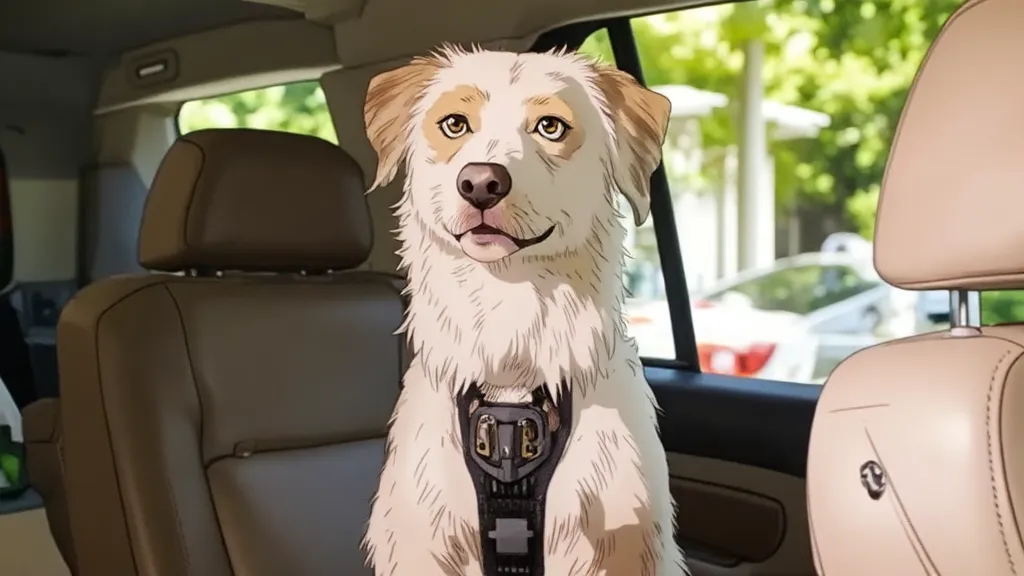
Adventure Awaits! Planning a road trip with your dog? There’s nothing quite like the open road, the wind in your hair… and the joyful panting of your best furry friend beside you. Taking a road trip with your dog can be an incredible bonding experience, but it requires preparation to ensure a safe, comfortable, and fun journey for both of you. Forget the stress—with the right tips and gear your dog will be the perfect co-pilot! 🗺️ Before You Go: Essential Pre-Trip Planning A little preparation goes a long way when traveling with pets. Veterinary Check-Up: Schedule a visit with your vet. Ensure your dog is up-to-date on all vaccinations and has enough of any required medications for the duration of the trip. Ask your vet about motion sickness remedies if your dog is prone to car sickness. Keep documented registry of your dog health care is very important as well. Identification is Key: Make sure your dog is wearing a collar with up-to-date ID tags. If they are microchipped, double-check that your contact information is current with the registry. The Travel Bag Checklist: Don’t forget their essentials! Pack food, water, bowls, waste bags, a favorite blanket or bed (for comfort), and a few familiar toys. 💡 Pro Tip: Bring bottled water from home for the first day or two. A sudden change in drinking water can sometimes cause an upset stomach for sensitive dogs. 🛡️ Safety First: Essential Gear and Restraints Dog safety in a moving vehicle is not just about comfort; it’s a legal and vital necessity. An unrestrained dog can be a dangerous distraction for the driver and is vulnerable in the event of a sudden stop or accident. Recommended Safety Equipment: Equipment Type Description Safety Benefits Harness/Seatbelt Attachment A harness designed for car travel that clips into the car’s seatbelt receptacle. Prevents the dog from roaming and secures them safely to the seat. Pet Travel Crate/Carrier Hard-sided or soft-sided carrier secured to the vehicle with a seatbelt or cargo straps. The safest option, providing a protected “den” and minimizing injury in a collision. Car Barrier/Grille A mesh or metal barrier installed between the front/back seats or the back seat/cargo area. Ideal for large dogs. Keeps the dog in the back area, preventing driver distraction. 📚 Scientific Insight: Studies on canine safety in vehicles, often conducted by organizations like the Center for Pet Safety (CPS) in the US, have shown that not all restraints are equally effective. Look for harnesses that have been crash-tested and certified to provide the best protection. Where to Find Gear: Many online retailers specialize in pet travel gear. You can find crash-tested harnesses and carriers at major marketplaces like Amazon, Gunner Kennels(specialized in crash tested safety crates) or dedicated pet stores like Kurgo, PetSmart , Petco, Baut , Lider da Matilha and other specialized online shops focusing on canine safety. It’s always worth checking your local retails for quaility equipment too. 🐾 On the Road: Making the Drive Comfortable Long drives can be tiring for everyone, especially your furry passenger. Take Frequent Breaks: Plan to stop every 2-3 hours for potty breaks, a stretch, and some quick exercise. This helps reduce restlessness and prevents accidents. Keep Hydrated: Offer water during every stop. Dogs can dehydrate quickly, particularly in hot weather. Never Leave Your Dog Unattended: This is critical. Even on a mild day, the temperature inside a car can rise rapidly, leading to fatal heatstroke. If you need to stop, bring your dog with you. ☀️ Handling Hot Weather and Car Safety If your trip involves warm climates, be extra cautious about heat: Air Conditioning is a Must: Keep the AC running to maintain a comfortable temperature throughout the car, including the back seat or cargo area where your dog is traveling. Avoid Letting Your Dog Hang Their Head Out: While it looks fun, debris, insects, or cold air hitting their face at high speeds can injure their eyes, ears, or nose. Keep windows open just enough for fresh air, but not enough for them to stick their head out. ⚖️ Legal Notes: Rules of the Road Different countries and even states/provinces have different laws regarding pet restraints in cars. In many places, an unrestrained dog can result in a fine, as they are considered a driving distraction. A quick search for “pet car restraint laws” in your destination/route can prevent legal trouble. Conclusion: Happy Trails! Traveling with your dog is an enriching experience that adds an extra layer of joy to any adventure. By prioritizing safety with the right gear and planning for comfort with frequent breaks and hydration, you ensure that your next road trip is memorable for all the right reasons. Now, roll down the window (just a little!), turn up the tunes, and enjoy the ride! Always check our blog for more amazing tips and news about the wonderful world of dog adventures!