
We have all heard the phrase “a one-man dog” or “one person dog training consistency”. Many of us picture a fiercely loyal German Shepherd or a devoted Akita, completely tuned into a single human while politely ignoring everyone else. But in a modern household, a dog rarely lives in a vacuum. Most dogs share a home with partners, children, or roommates.
When multiple people live under one roof, a fascinating question arises: Is your dog truly a “one-person dog,” or is your family’s daily dynamic shape-shifting their focus and training?
Let’s dive into the science of canine behavior, how family dynamics impact training consistency, and how you can get your pup to listen to everyone in the house.
The Myth and Reality of the “One-Person Dog”
According to animal behaviorists, certain breeds are genetically predisposed to bond more intensely with a single individual. Breeds like the Border Collie, Rottweiler, and Shiba Inu often choose a “primary person.”
However, Dr. Patricia McConnell, a renowned applied animal behaviorist, notes that dogs don’t always choose their favorite person based on who feeds them. Instead, they bond with the person who provides the most predictable, engaging, and high-value interactions.
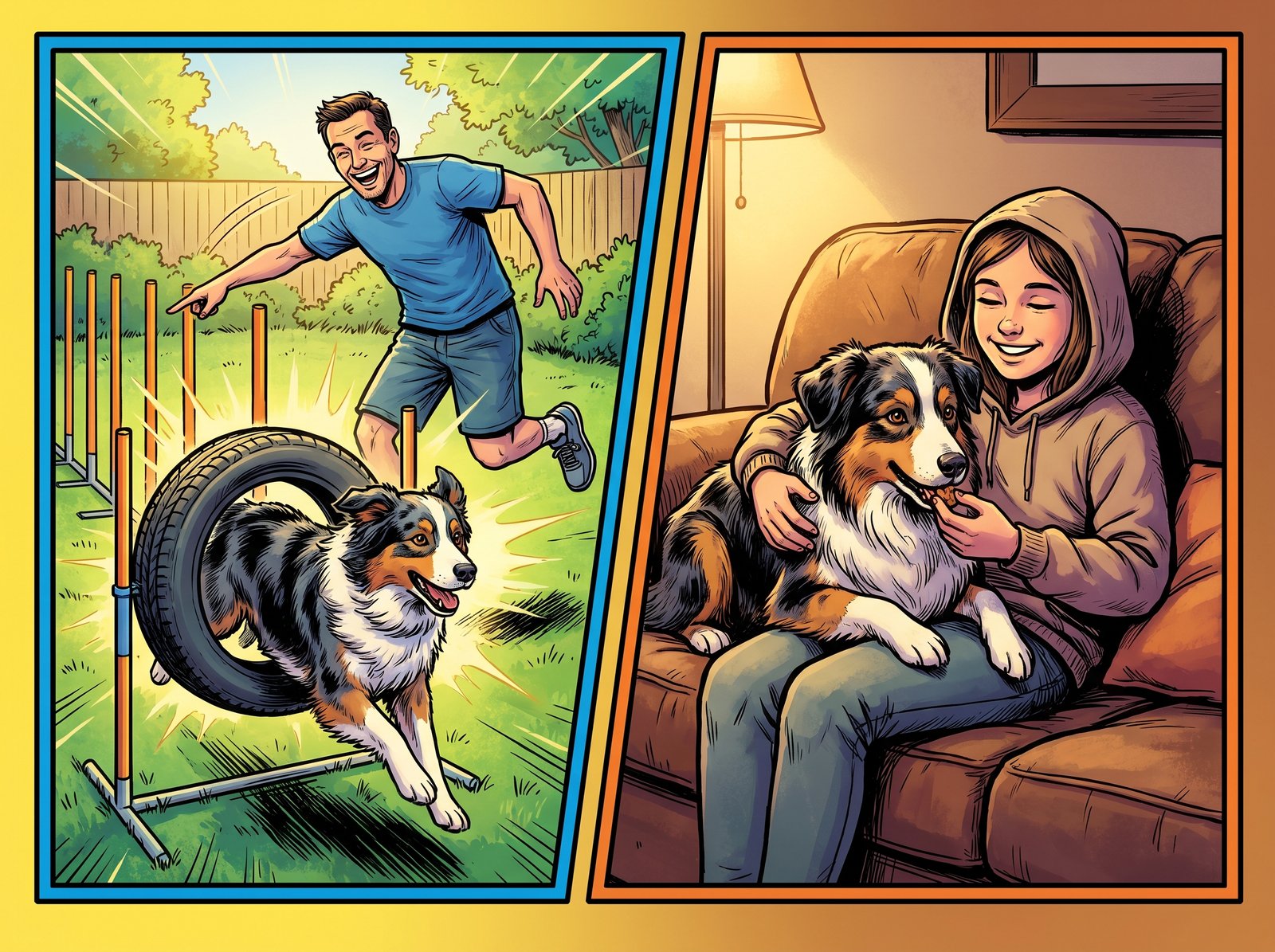
If one person in the family handles the high-energy training sessions, agility practice, or long hikes, the dog will naturally focus on them. It’s not necessarily an exclusive lifelong contract; it’s a reflection of who provides the most mental stimulation.
The Chaos of Inconsistent Commands
The biggest hurdle in a multi-person household isn’t a lack of love—it’s a lack of consistency. Dogs are contextual learners and masters of reading human body language. When different family members use different rules, the dog gets confused, checks out, or learns how to play the system.
Consider this common household scenario:
-
Person A demands the dog sits politely before getting a treat.
-
Person B gives the dog a treat just for looking cute.
-
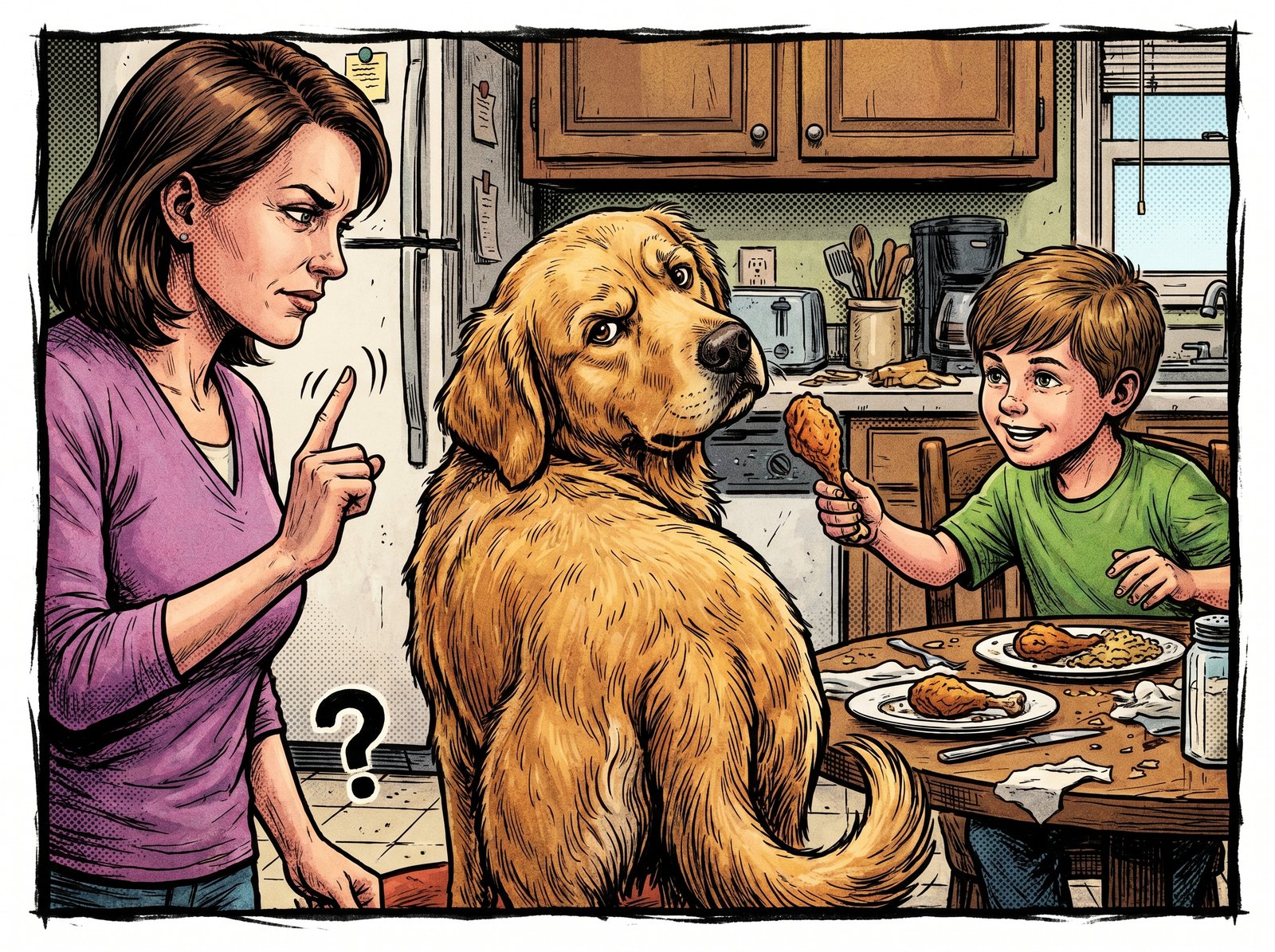
Person C accidentally rewards begging at the dinner table.
In canine psychology, this triggers what is known as a variable reinforcement schedule. According to the American Kennel Club (AKC), if a behavior is rewarded even sometimes by someone, the dog will keep trying it. This destroys focus. The dog stops looking to any single family member for guidance because the “rules of the game” change depending on who is standing in front of them.
How Family Roles Impact Dog Focus
Every family member brings a different energy to the table, and your dog categorizes people based on these vibes:
If your dog only listens to one person, it’s usually because that person represents absolute clarity. For a dog, clarity equals safety and confidence.
Bringing the Family Together: A Unified Training Strategy
If you want your dog to move away from “one-person focus” and become a well-behaved family companion, the humans need to train first. Here is how to create a unified front:
1. Create a Household Dog Charter
Sit down with your family and write down a single set of rules. Decide on the exact verbal cues and hand signals you will use. If one person says “Come” and another says “Here,” the dog is forced to learn two languages simultaneously. Pick one and stick to it.
2. Rotate the High-Value Tasks
To balance the dog’s focus, distribute the “best” activities. Let the family member the dog ignores the most be the one who delivers breakfast, throws the favorite frisbee, or initiates a fun trick-training session.
3. Practice “Pass the Puppy”
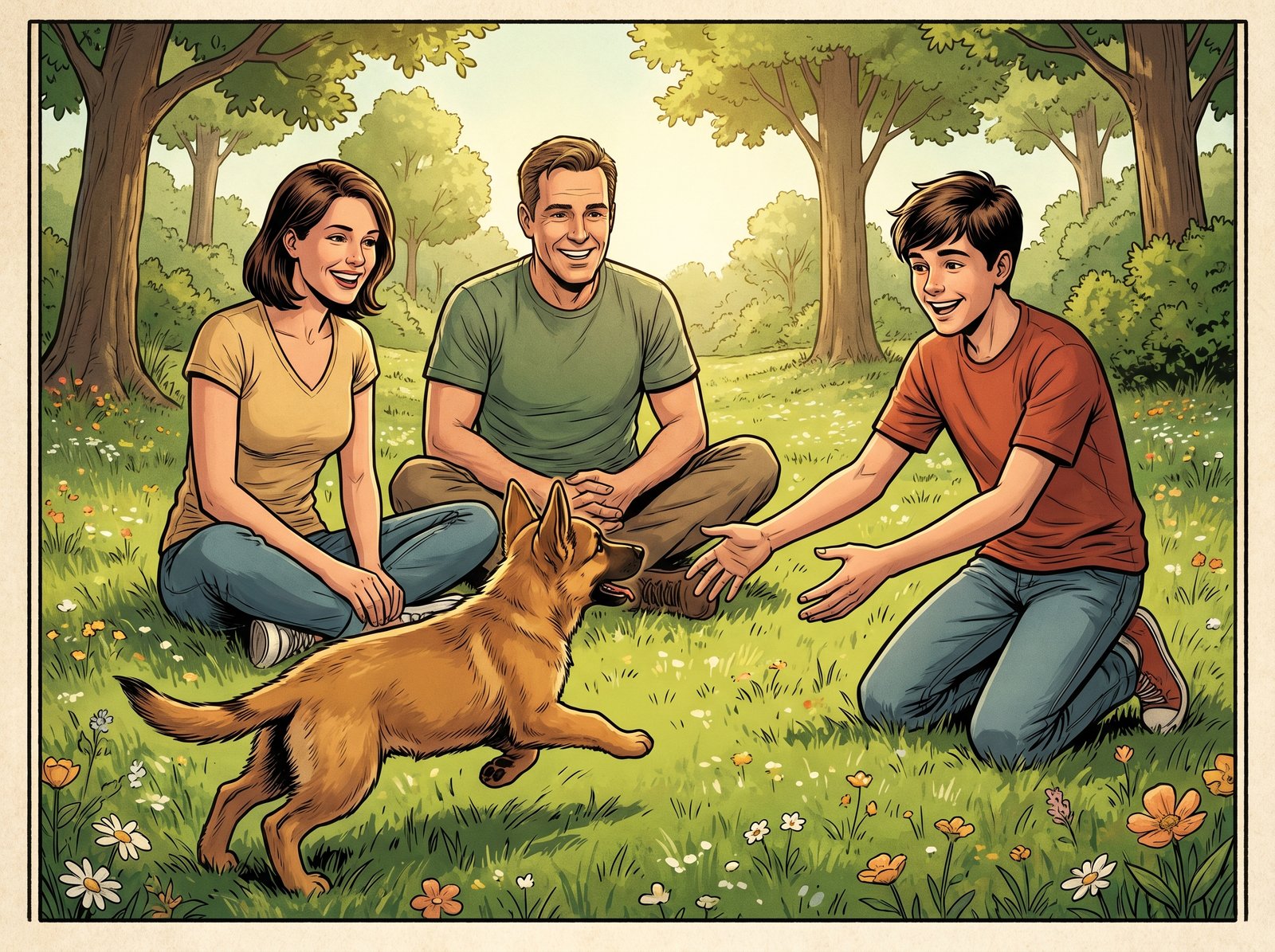
A great exercise for family focus is a game called “Pass the Puppy.” Sit in a circle with high-value treats. Take turns calling the dog’s name and the command “Come.” When the dog arrives, reward them immediately, then let the next person call. This teaches the dog that paying attention to any family member results in something fantastic.
The Verdict
A “one-person dog” is often just a dog that has found one consistent, predictable teacher in a busy home. By aligning your family’s dynamic, standardizing your commands, and sharing the fun of training, you can help your dog build a strong, focused bond with every single member of the pack.
Keep watching our Blog for more informative content about the incredible canine world!