One-Person Dog? How Family Dynamics Affect Dog Focus and Training
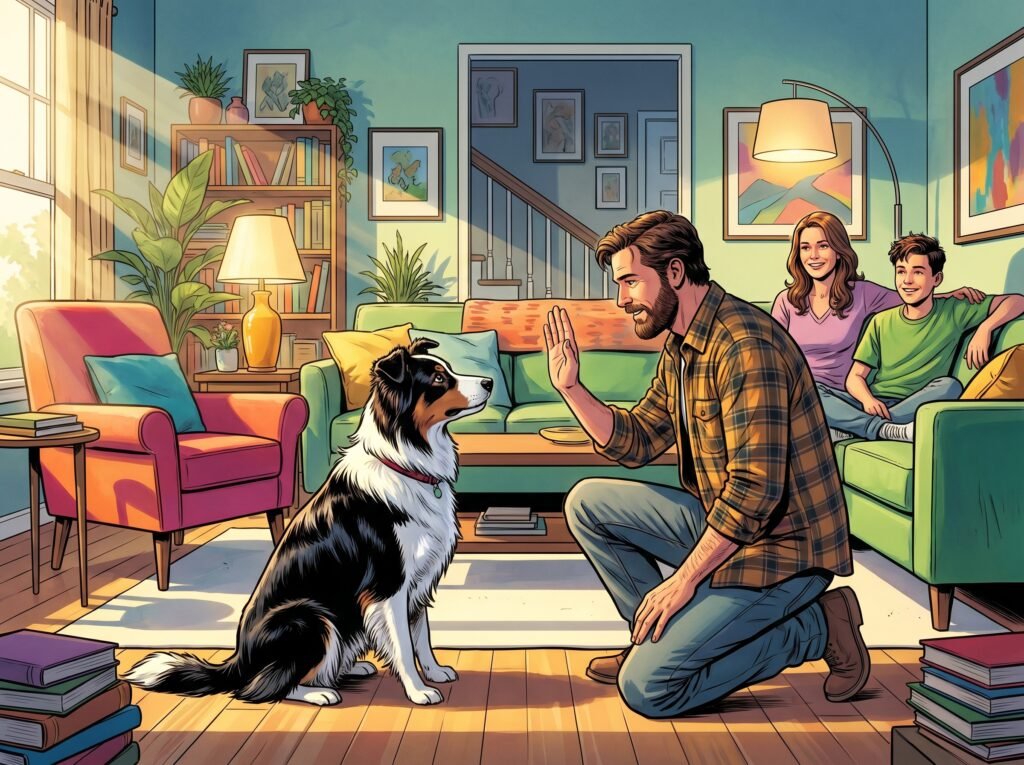
We have all heard the phrase “a one-man dog” or “one person dog training consistency”. Many of us picture a fiercely loyal German Shepherd or a devoted Akita, completely tuned into a single human while politely ignoring everyone else. But in a modern household, a dog rarely lives in a vacuum. Most dogs share a home with partners, children, or roommates. When multiple people live under one roof, a fascinating question arises: Is your dog truly a “one-person dog,” or is your family’s daily dynamic shape-shifting their focus and training? Let’s dive into the science of canine behavior, how family dynamics impact training consistency, and how you can get your pup to listen to everyone in the house. The Myth and Reality of the “One-Person Dog” According to animal behaviorists, certain breeds are genetically predisposed to bond more intensely with a single individual. Breeds like the Border Collie, Rottweiler, and Shiba Inu often choose a “primary person.” However, Dr. Patricia McConnell, a renowned applied animal behaviorist, notes that dogs don’t always choose their favorite person based on who feeds them. Instead, they bond with the person who provides the most predictable, engaging, and high-value interactions. If one person in the family handles the high-energy training sessions, agility practice, or long hikes, the dog will naturally focus on them. It’s not necessarily an exclusive lifelong contract; it’s a reflection of who provides the most mental stimulation. The Chaos of Inconsistent Commands The biggest hurdle in a multi-person household isn’t a lack of love—it’s a lack of consistency. Dogs are contextual learners and masters of reading human body language. When different family members use different rules, the dog gets confused, checks out, or learns how to play the system. Consider this common household scenario: Person A demands the dog sits politely before getting a treat. Person B gives the dog a treat just for looking cute. Person C accidentally rewards begging at the dinner table. In canine psychology, this triggers what is known as a variable reinforcement schedule. According to the American Kennel Club (AKC), if a behavior is rewarded even sometimes by someone, the dog will keep trying it. This destroys focus. The dog stops looking to any single family member for guidance because the “rules of the game” change depending on who is standing in front of them. How Family Roles Impact Dog Focus Every family member brings a different energy to the table, and your dog categorizes people based on these vibes: Family Role Canine Perception Impact on Training The Disciplinarian Predictable, clear boundaries High focus, reliable obedience. The Fun Generator High excitement, play-oriented High enthusiasm, but lower focus during calm moments. The Softie Easy treats, no boundaries Low focus, high likelihood of testing limits. If your dog only listens to one person, it’s usually because that person represents absolute clarity. For a dog, clarity equals safety and confidence. Bringing the Family Together: A Unified Training Strategy If you want your dog to move away from “one-person focus” and become a well-behaved family companion, the humans need to train first. Here is how to create a unified front: 1. Create a Household Dog Charter Sit down with your family and write down a single set of rules. Decide on the exact verbal cues and hand signals you will use. If one person says “Come” and another says “Here,” the dog is forced to learn two languages simultaneously. Pick one and stick to it. 2. Rotate the High-Value Tasks To balance the dog’s focus, distribute the “best” activities. Let the family member the dog ignores the most be the one who delivers breakfast, throws the favorite frisbee, or initiates a fun trick-training session. 3. Practice “Pass the Puppy” A great exercise for family focus is a game called “Pass the Puppy.” Sit in a circle with high-value treats. Take turns calling the dog’s name and the command “Come.” When the dog arrives, reward them immediately, then let the next person call. This teaches the dog that paying attention to any family member results in something fantastic. The Verdict A “one-person dog” is often just a dog that has found one consistent, predictable teacher in a busy home. By aligning your family’s dynamic, standardizing your commands, and sharing the fun of training, you can help your dog build a strong, focused bond with every single member of the pack. Keep watching our Blog for more informative content about the incredible canine world!
Beat the Rainy Day Blues: 7 Brain Games to Tire Out Your Dog Indoors
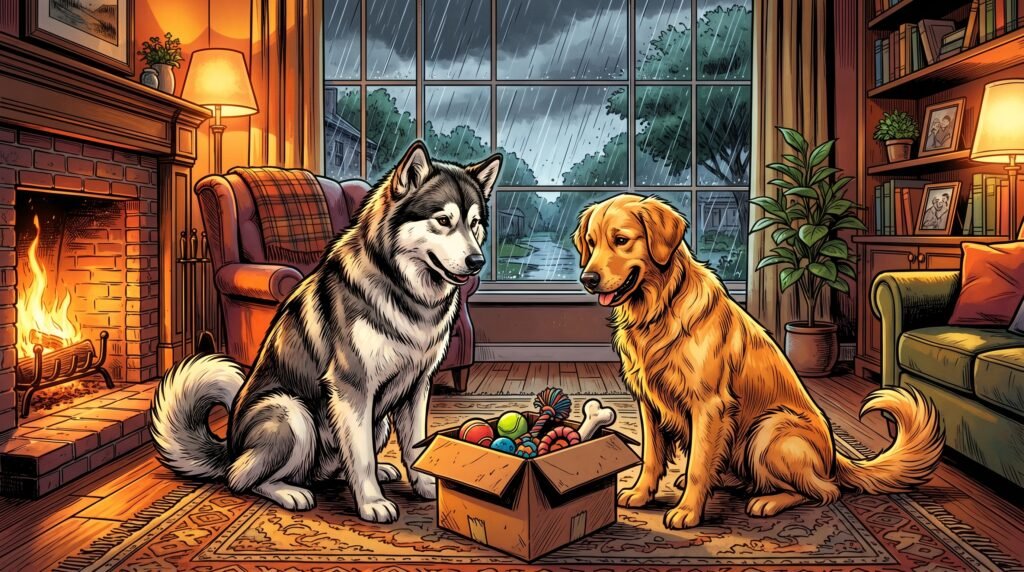
Rainy days can be a challenge for active dogs and their owners. When the weather keeps you off the trails and puts your usual outdoor exercise on pause, cooped-up energy can quickly turn into unwanted behaviors like chewing, pacing, or excessive barking. To avoid those issues and create a nice opportunity to increase the bond with your best friend during not so fine weather days, we bring you the secrets to beat the rainy day blues: 7 Brain Games to Tire Out Your Dog Indoors. But here is a secret known to professional trainers: mental stimulation can tire a dog out just as effectively as a long run. Engaging a dog’s brain fires up their neural pathways, burns calories, and triggers a natural sense of satisfaction. In fact, just 15 minutes of mental exercise can leave your pup ready for a deep nap. According to studies on canine cognition published in Applied Animal Behaviour Science, structured mental enrichment significantly reduces stress and behavioral issues in domestic dogs. If you are stuck inside, don’t let the wet weather ruin your routine. Here are 7 bulletproof brain games to drain your dog’s energy and keep them sharp. 1. The Classic Shell Game (Three-Cup Monte) This game is a fantastic way to sharpen your dog’s problem-solving skills and rely heavily on their sense of smell. How to play: Take three identical plastic cups. Let your dog watch you place a high-value treat under one of the cups. Give your release command (like “find it”) and let them tip the cup over to get the reward. Level up: Once they understand the concept, start shuffling the cups around before letting them search. 2. Setting Up an Indoor “Sniffari” A dog’s sense of smell is their primary window into the world, taking up a massive portion of their brain power. A “sniffari” brings the mental exhaustion of an outdoor trail right into your living room. How to play: Lock your dog in another room while you hide small, smelly treats or pieces of kibble around the house. Place them behind chair legs, on low shelves, or under the edges of rugs. Why it works: Nosework lowers a dog’s heart rate and naturally induces a state of calm focus. 3. The DIY Towel Burrito You don’t need expensive puzzle toys to challenge your dog’s cognitive flexibility. A simple bath towel will do the trick. How to play: Lay a towel flat on the floor and scatter treats across it. Roll the towel up into a long cylinder. For beginners, leave it loose. For an advanced challenge, tie the rolled towel into a loose knot. The goal: Your dog will have to use their nose, paws, and teeth to unroll and untie the fabric to get to the hidden rewards. 4. Master the “Name Game” Dogs have an incredible capacity for vocabulary, with some breeds learning hundreds of distinct words. Use a rainy day to test and expand their object recognition. How to play: Take two distinct toys—for example, a ball and a plush rope. Hold up the ball, say “Get your ball,” and reward them when they touch it. Repeat with the rope. Once they associate the names, place both toys on the floor and ask for one specifically. The payoff: This builds immense focus and strengthens the bond between you and your pup. 5. Muffin Tin Puzzle This is a staple for canine enrichment enthusiasts and utilizes basic household items to create an interactive feeder. How to play: Take a standard 12-cup muffin tin and drop a few kibbles or treats into the bottom of the cups. Then, place tennis balls on top of each opening, completely blocking the food. The puzzle: Your dog must figure out how to lift or roll the tennis balls out of the way to reach the food underneath. 6. Intro to Basic Shaping (The Box Game) Shaping is a training technique where you reward your dog for small, incremental movements toward a final, unprompted goal. It forces them to actively think about what action earns a reward. How to play: Place an empty cardboard box on the floor. Don’t give any commands. If your dog looks at the box, click or say “Yes!” and toss a treat. If they step toward it, reward them. If they put a paw inside, reward them. Why it’s exhausting: Because you aren’t telling them what to do, their brain is working overtime to guess the puzzle and earn the prize. 7. The Destruction Box For dogs with a high prey drive or a natural urge to shred, providing a safe, constructive outlet for this behavior is a lifesaver. How to play: Take a recycling box or a paper bag, fill it with crumpled packing paper, scatter some treats inside, and tape or fold it shut. Let your dog rip, shred, and tear their way into the box to forage for the food. Safety Note: Always supervise this game to ensure your dog doesn’t actually swallow any cardboard or paper. Conclusion Rainy days don’t have to mean dealing with a restless, frustrated dog. By tapping into their natural instincts—sniffing, foraging, problem-solving, and learning—you can easily substitute a three-mile run with a few solid rounds of indoor brain games. Next time the storm clouds roll in, grab some treats, clear a space on the living room floor, and let the mental workouts begin! Always check our Blog for more!
The Inbound Recovery Window: What and When to Feed Your Dog After Extreme Exercise
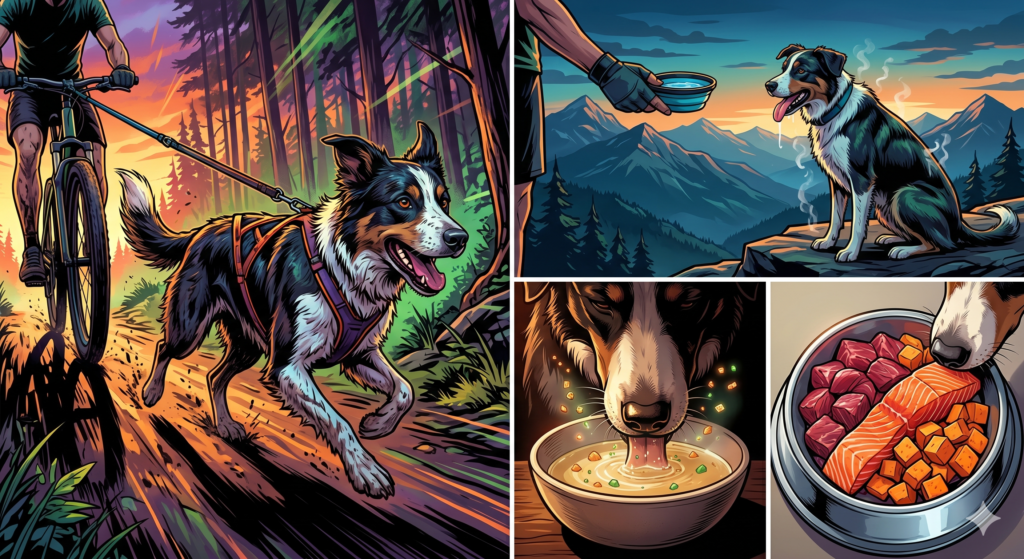
Every handler knows the exhilarating feeling of crossing the finish line after a grueling bikejoring run, nailing a clean agility course, or completing a demanding backcountry trail. Your heart is pounding, your adrenaline is surging, and your dog is sporting that unmistakable, tongue-out canine smile. That’s the moment when sports dog recovery window techniques come in hand. But once the dust settles, a critical biological clock starts ticking. Just like human athletes, canine athletes experience a specific post-exercise phase where their bodies are primed to repair tissue and replenish energy. In the world of working and sporting dogs, this is often referred to as the recovery window. However, feeding a dog after extreme physical exertion isn’t as simple as dumping kibble into a bowl the moment you get back to the truck. In fact, doing so can be incredibly dangerous. Let’s dive into the science of the canine recovery window: exactly when it’s safe to feed your dog, what nutrients they need to bounce back, and how to protect them from life-threatening medical emergencies. The Golden Rule: The Cool-Down Comes First Before we even discuss macronutrients or supplements, we must address the most critical factor in post-exercise canine care: the cool-down period. Feeding a dog whose heart rate is still elevated and whose respiration is high is a recipe for disaster. When a dog exercises intensely, blood flow is diverted away from the stomach and directed toward the muscles and lungs to sustain performance. If you introduce food or large amounts of water into the stomach while the digestive system is essentially “offline,” you drastically increase the risk of Gastric Dilatation-Volvulus (GDV), commonly known as bloat. The 60-Minute Rule: As a strict guideline, wait at least 30 to 45 minutes after exercise to offer small amounts of water, and at least 60 minutes before offering a solid meal. The dog’s breathing must return to a completely normal, resting rate before any food is introduced. Rehydration First, Refueling Second The very first stage of the recovery window isn’t food—it’s hydration. Extreme exercise, especially in working breeds or during warm-weather mushing and canicross sessions, causes rapid moisture loss through panting. According to veterinary sports medicine guidelines, rehydration should be strategic: Avoid Gulping: Do not let your dog chug gallons of ice-cold water immediately after a run. This can trigger vomiting or contribute to GDV. Offer small, controlled amounts of ambient-temperature water every 10–15 minutes during the cool-down. The Power of Nutrient-Enhanced Water: To kickstart recovery without overloading the stomach, many handlers use “water baiting” or flavored hydration. Adding a tablespoon of commercial canine electrolytes or a splash of low-sodium, homemade bone broth to the water encourages drinking and begins restoring lost fluids and trace minerals. What to Feed: The Science of Canine Muscle Recovery Once your dog is completely cool, relaxed, and resting, the true metabolic recovery window opens. In canine sports physiology, the goal of post-exercise nutrition is twofold: replenishing glycogen stores (the muscles’ primary energy source) and repairing muscle tissue micro-tears. Unlike humans, who rely heavily on massive carbohydrate loading after a workout, a dog’s metabolic engine runs primarily on fats and high-quality proteins. 1. High-Bioavailability Protein (The Building Blocks) During extreme exertion, muscle fibers experience microscopic damage. To repair this tissue and prevent muscle wasting, your dog needs easily digestible, high-quality animal protein rich in essential amino acids. What to look for: Real meats like chicken, beef, or fish. If you feed kibble, ensuring it has a highly digestible protein source as the primary ingredient is key. For raw feeders, easily consumable proteins like green tripe or lean muscle meat are excellent post-workout options. 2. High-Quality Fats (The Sustained Fuel) While carbohydrates can help rapidly rebuild glycogen stores immediately after a sprint, studies in journals like Veterinary Clinics of North America: Small Animal Practice show that endurance dogs (like sled dogs and distance runners) metabolize fats with incredible efficiency. Incorporating healthy fats, such as Omega-3 fatty acids from fish oil, not only aids in energy replenishment but also acts as a powerful natural anti-inflammatory to reduce joint and muscle soreness. 3. Strategic Carbohydrates (For Fast-Twitch Athletes) If your dog participates in high-intensity, short-duration sports like Agility or Flyball, their body utilizes anaerobic pathways that deplete glycogen quickly. A small, easily digestible carbohydrate source (like a bit of pureed pumpkin or sweet potato) included in their post-cool-down meal can help accelerate glycogen synthesis. Summary Checklist for Post-Exercise Recovery To make things easy on your next adventure, keep this timeline in mind: Time Elapsed Action Rationale 0–15 Mins Active walking cool-down. No food. Lowers heart rate and body temperature safely. 15–30 Mins Small sips of water or bone broth. Initiates safe rehydration without stomach distress. 45–60 Mins Verify resting respiratory rate. Ensures the digestive system is ready to receive food. 60+ Mins Feed a balanced, protein-and-fat-rich meal. Maximizes muscle repair and energy replenishment. By mastering the timing and composition of your dog’s post-workout meals, you aren’t just feeding a pet—you are fueling an athlete. Protect their stomach first, give their muscles the premium nutrients they deserve second, and watch their performance, longevity, and enthusiasm for the sport skyrocket.
The Psychology of the Canine Athlete: Focus, Motivation, and Performance
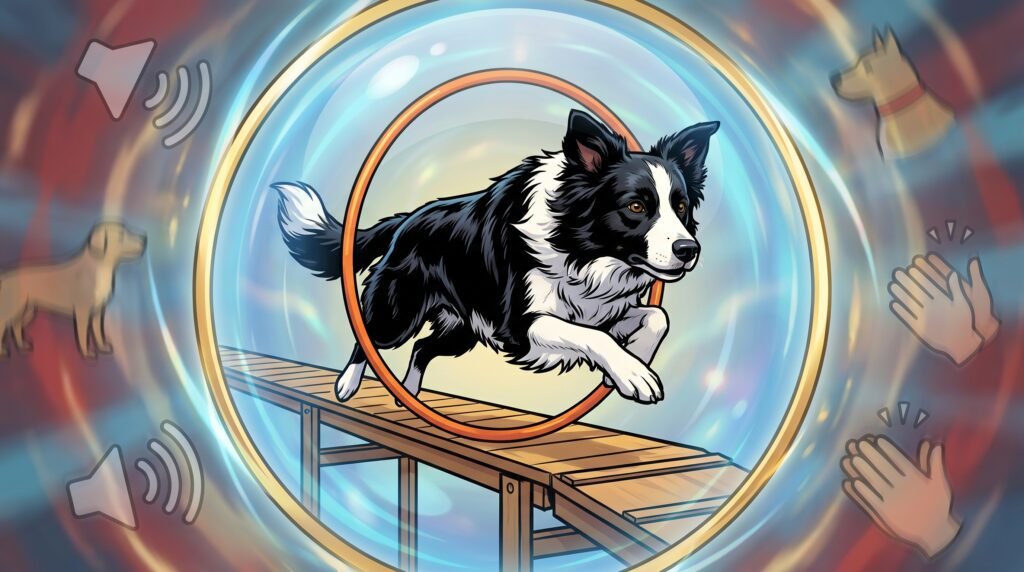
When we watch a dog zip through an Agility tunnel or navigate a Hoopers course with surgical precision, it’s easy to focus solely on the physical prowess—the speed, the tuck of the paws, the lean of the body. However, the true engine behind a champion canine athlete isn’t just muscle; it’s psychology. In this case canine athlete psychology. Understanding how a dog thinks, focuses, and stays motivated is what separates a “good” run from a “gold medal” run. 1. The Power of “Drive” and Motivation In canine sports, “drive” is the internal engine that pushes a dog to perform. However, motivation isn’t a one-size-fits-all concept. According to researchers like Dr. Sophia Yin, positive reinforcement is the cornerstone of developing a motivated athlete. Intrinsic vs. Extrinsic: Some dogs are intrinsically motivated by the “job” itself (the joy of running), while others require extrinsic rewards like high-value treats or a favorite tug toy. The Reward Gap: Successful handlers minimize the “gap” between the task and the reward, ensuring the dog associates the mental effort of the obstacle with a massive psychological payoff. 2. Focus: Maintaining Clarity Amidst the Chaos A competition environment is loud, crowded, and full of distracting scents. A canine athlete must utilize selective attention. This is the ability to tune out the barking of a nearby terrier to focus solely on the handler’s physical cues and verbal commands. “Focus is a muscle that must be trained. In sports like Agility, the dog isn’t just following a hand; they are performing high-speed pattern recognition under pressure.” 3. Arousal Levels: Finding the “Sweet Spot” The Yerkes-Dodson Law, a psychological principle often applied to human athletes, applies to dogs as well. It suggests there is an optimal level of arousal for performance: Under-aroused: The dog is bored or distracted, leading to slow times. Over-aroused: The dog is “over the top,” leading to knocked bars, missed contacts, or “zoomies.” The Optimal Zone: The dog is alert, focused, and responsive. Identifying your dog’s unique “sweet spot” is the key to consistency in sports like Canicross or Mushing. 4. The Handler-Dog Bond: Synchronized Psychology Canine sports are a team effort. Dogs are incredibly sensitive to emotional contagion. If a handler is nervous, the dog’s cortisol levels can rise, affecting their decision-making on the course. A study published in Applied Animal Behaviour Science suggests that dogs mirror the stress levels of their owners during competitions. Staying calm and “Stoic” as a handler helps your dog remain confident. Conclusion Training a canine athlete is 50% physical conditioning and 50% mental fortitude. By understanding the nuances of canine psychology, we can build a partnership based on trust, clarity, and genuine enthusiasm. Whether you are aiming for the podium or just having fun in the backyard, remember: a happy, focused mind leads to a fast, agile body. And never forget: the safety and wellbeing of your pup comes before everything else! Stay tuned on our Blog for more great canine world content