
Action Under the Sun: A Guide to Capturing High-Speed Canine Moments
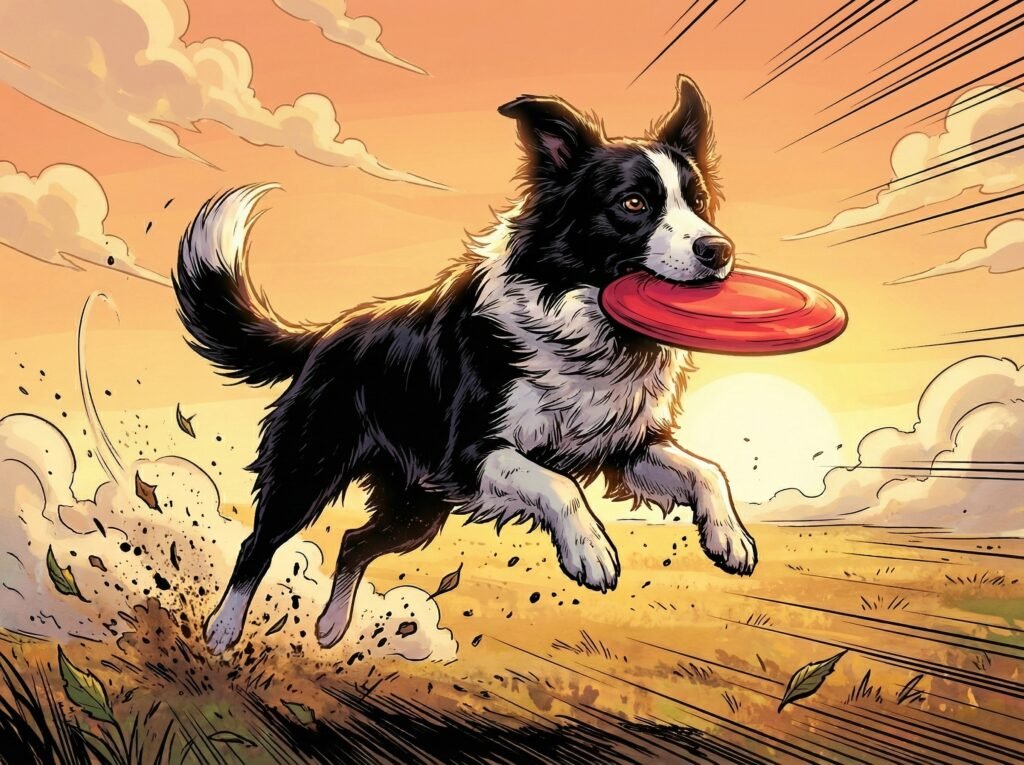
Photographing a sleeping puppy is easy; capturing a Border Collie mid-frisbee catch or a Husky charging through a trail is a different beast entirely. Action photography requires a blend of technical precision, an understanding of canine behavior, and a healthy dose of patience. So today we bring a guide for action dog photography tips for cameras and phones. If you’ve ever ended a session with nothing but a gallery of blurry tails and out-of-focus ears, this guide is for you. 1. The Need for Speed: Shutter Settings In the world of action sports like Canicross or Agility, milliseconds matter. To “freeze” a dog in motion without motion blur, you need a fast shutter speed. The Golden Rule: Aim for a shutter speed of at least 1/1000s. If the dog is sprinting directly toward you, you might even need to push it to 1/2000s. Aperture & Depth: Using a wide aperture (like f/2.8 or f/4) helps create that beautiful “bokeh” (blurred background) that makes the dog pop, but it also lets in more light, allowing for those faster shutter speeds. 2. Mastering Focus: AF-C is Your Best Friend Static focus won’t cut it here. You need to switch your camera’s focus mode to Continuous AF (often labeled as AF-C on Nikon/Sony or AI Servo on Canon). This allows the lens to constantly readjust as the dog moves toward or away from the sensor. Pro Tip: As noted by experts at Digital Photography School, using “Back-Button Focus” can be a game-changer for sports photography, allowing you to track the subject and trigger the shutter independently. 3. Get Down on Their Level One of the biggest mistakes amateur photographers make is shooting from a standing position. To capture the intensity and “soul” of an action shot, you need to see the world from the dog’s perspective. Getting low to the ground—yes, even if it means getting a bit muddy—creates a more immersive and heroic feel. It makes the jumps look higher and the runs look faster. 4. Anticipate the “Apex” Every sport has an “apex” moment. In Agility, it’s the moment the dog is suspended at the highest point of a jump. In Mushing or Bikejoring, it’s when all four paws are off the ground. Don’t just spray and pray with your shutter. Study the dog’s rhythm. According to American Kennel Club (AKC) photography insights, understanding the mechanics of a dog’s gait helps you predict exactly when to hit the shutter for that “floating” effect. 5. Safety and Ethics No shot is worth a dog’s stress or injury. Ensure the environment is safe, the dog is hydrated, and you aren’t interfering with their performance or the handler’s cues. A happy dog makes for a much better subject! Keep yourself safe too, your friend needs you! 6. Action Photography with Your Smartphone You don’t need a bulky DSLR to capture great action shots. Modern smartphones are packed with AI-driven features that can handle movement surprisingly well, though the technique differs slightly between operating systems. Burst Mode is Key: Instead of trying to time a single click, hold down the shutter button (or volume button) to activate Burst Mode. This captures dozens of frames per second, allowing you to pick the exact millisecond where your dog looks like a superhero. The OS Difference (iOS vs. Android): iPhone (iOS): Apple’s “Deep Fusion” and Smart HDR work wonders, but for action, the Live Photos feature is a secret weapon. You can take a Live Photo and later “Select Key Photo” from the edit menu to find the sharpest frame. Android (Pixel/Samsung/etc.): Many high-end Androids feature a “Pro Mode” that allows you to manually set the Shutter Speed (look for the ‘S’ icon), mimicking a professional camera. Google Pixel users can also utilize “Top Shot”, which suggests the best frame from a short video burst. Focus Tracking: On most modern phones, you can tap and hold on your dog on the screen to “AE/AF Lock.” This ensures the camera stays locked on your pet even as they move across the frame. Pro Tip: According to CNET’s photography guides, the most significant limitation of phones is the digital zoom. To keep your action shots crisp, avoid zooming in; instead, get physically closer to the action or crop the photo afterward. Our Blog is full of more fun and informative content for you and your best furry friend, keep watching us!
Mushing 101: The Ultimate Guide to Getting Started with Your Dog
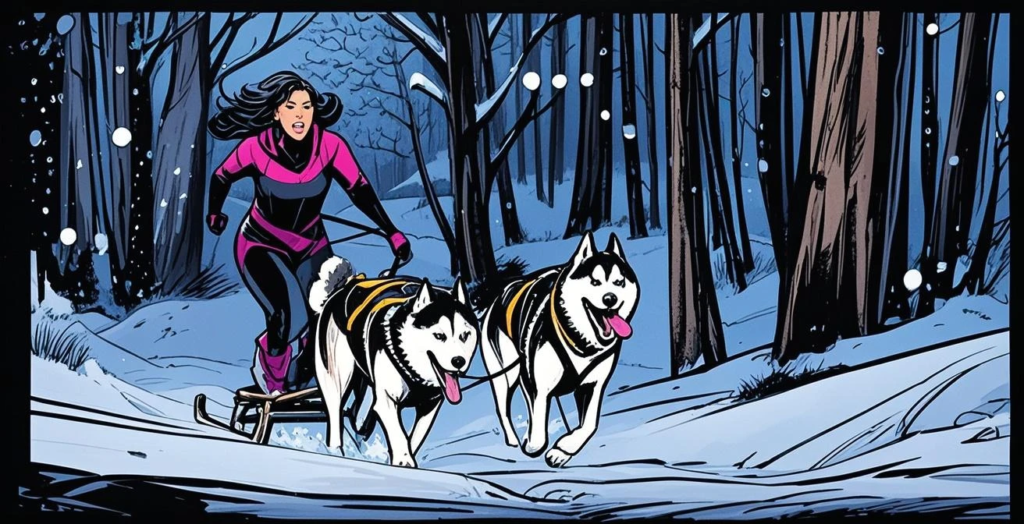
It’s snow time! But it doesn’t need to be! When most people hear the word mushing, they immediately think of the snowy plains of Alaska and a team of Huskies racing through a blizzard. While that’s the classic image, the world of mushing is much bigger (and often much warmer!) than you might think. Whether you have a team of ten or just one energetic pup, mushing is a fantastic way to burn energy and strengthen your bond. Grab a leash, and let’s dive into the “paws-ibilities” of this incredible sport! What Exactly is Mushing? At its core, mushing is a sport where one or more dogs pull a vehicle (a sled, a bike, or even you!). While it started as a necessary form of transportation in the Arctic, it has evolved into a global competitive sport. Today, we categorize it into two main types: Sledding: The traditional winter version on snow. Dryland Mushing: The “off-snow” version involving running (Canicross), biking (Bikejoring), or using scooters and wheeled carts (Rigging). The Essential Gear: Safety and Comfort First You can’t just use a standard neck collar for mushing; it could hurt your dog’s neck and restrict their breathing. Professional equipment is a must. 1. The Harness The X-Back harness is the industry standard. It’s designed to distribute the pulling weight across the dog’s chest and ribcage rather than the neck. Note: For certain breeds or shorter dogs, a “Half-back” or “Long-distance” harness might be recommended. 2. The Tugline (Bungee Lead) This isn’t your average leash. A mushing line must have a bungee (shock absorber) component. This protects both the dog’s spine and your back from sudden jolts when starting or stopping. 3. The Vehicle Sleds: Made of wood or carbon fiber for snow. Gigs/Rigs: Three or four-wheeled carts for dryland. Bikes/Scooters: For smaller teams (1-2 dogs, also called Urban Mushing) 4. Booties and Paw Care Especially in the snow or on rough gravel, booties are essential to prevent ice buildup or abrasions between the paw pads. Rules of the Trail Every sport needs a bit of order! While specific rules vary by event, the International Federation of Sleddog Sports (IFSS) sets the standard. Key rules usually include: The “No-Whip” Rule: Mushing is built on a relationship of trust. Any form of physical abuse or forceful “motivation” is strictly prohibited and results in immediate disqualification. Right of Way: In races, the faster team usually has the right of way. The “trail” command is called out to signal an overtake. Dog Welfare: Most federations require mandatory vet checks before races to ensure every dog is hydrated, healthy, and happy to run. Federations and Where to Learn More If you’re looking to get competitive or find a local community, these organizations are the “top dogs” in the industry: IFSS (International Federation of Sleddog Sports): The global governing body for the sport. ISDRA (International Sled Dog Racing Association): Great for those looking for North American events and regulations. Non-stop Dogwear: While a brand, their blog and tutorials are goldmines for beginners. Alpine Outfitters: A highly trusted source for custom-fitted harnesses and professional gear. Safety Tips for New Mushers Watch the Temperature: Dogs overheat much faster than humans. In dryland mushing, many experts suggest stopping if the temperature rises above 15°C (59°F). Hydration is Key: Offer water frequently, but avoid large meals immediately before or after a run to prevent stomach issues (bloat). Listen to Your Dog: If they stop or seem distracted, don’t force them. The goal is for them to want to pull! Ready to Hit the Trail? Mushing is more than just a workout; it’s a language of “Gees” (turn right) and “Haws” (turn left). It’s about becoming a team with your best friend. Don’t forget to look forward our Blog to find more info about amazing canine sports, including our comprehensive posts about Canicross and Bikejoring!
🐶 Road Trip Ready: The Ultimate Guide to Traveling by Car with Your Dog
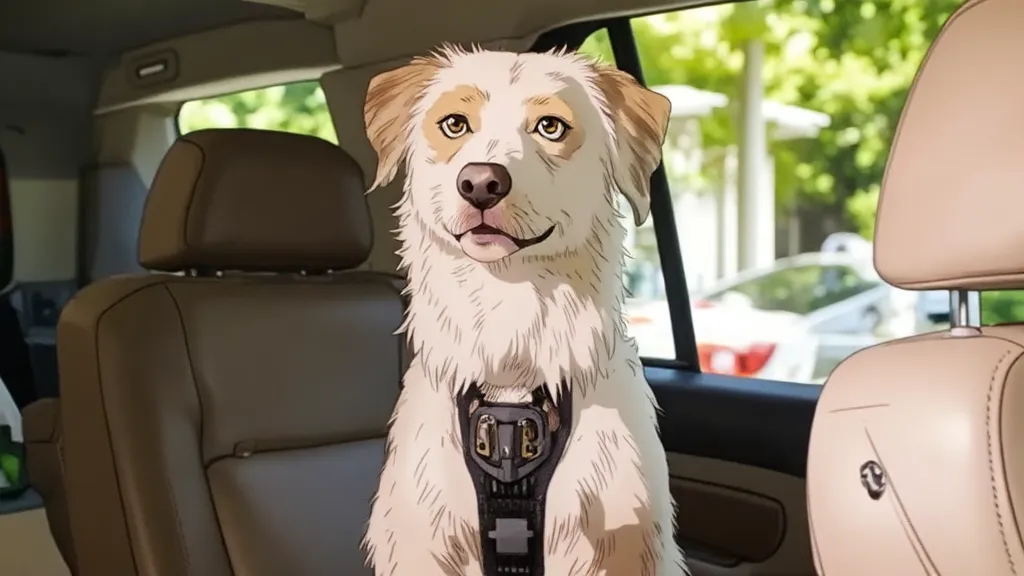
Adventure Awaits! Planning a road trip with your dog? There’s nothing quite like the open road, the wind in your hair… and the joyful panting of your best furry friend beside you. Taking a road trip with your dog can be an incredible bonding experience, but it requires preparation to ensure a safe, comfortable, and fun journey for both of you. Forget the stress—with the right tips and gear your dog will be the perfect co-pilot! 🗺️ Before You Go: Essential Pre-Trip Planning A little preparation goes a long way when traveling with pets. Veterinary Check-Up: Schedule a visit with your vet. Ensure your dog is up-to-date on all vaccinations and has enough of any required medications for the duration of the trip. Ask your vet about motion sickness remedies if your dog is prone to car sickness. Keep documented registry of your dog health care is very important as well. Identification is Key: Make sure your dog is wearing a collar with up-to-date ID tags. If they are microchipped, double-check that your contact information is current with the registry. The Travel Bag Checklist: Don’t forget their essentials! Pack food, water, bowls, waste bags, a favorite blanket or bed (for comfort), and a few familiar toys. 💡 Pro Tip: Bring bottled water from home for the first day or two. A sudden change in drinking water can sometimes cause an upset stomach for sensitive dogs. 🛡️ Safety First: Essential Gear and Restraints Dog safety in a moving vehicle is not just about comfort; it’s a legal and vital necessity. An unrestrained dog can be a dangerous distraction for the driver and is vulnerable in the event of a sudden stop or accident. Recommended Safety Equipment: Equipment Type Description Safety Benefits Harness/Seatbelt Attachment A harness designed for car travel that clips into the car’s seatbelt receptacle. Prevents the dog from roaming and secures them safely to the seat. Pet Travel Crate/Carrier Hard-sided or soft-sided carrier secured to the vehicle with a seatbelt or cargo straps. The safest option, providing a protected “den” and minimizing injury in a collision. Car Barrier/Grille A mesh or metal barrier installed between the front/back seats or the back seat/cargo area. Ideal for large dogs. Keeps the dog in the back area, preventing driver distraction. 📚 Scientific Insight: Studies on canine safety in vehicles, often conducted by organizations like the Center for Pet Safety (CPS) in the US, have shown that not all restraints are equally effective. Look for harnesses that have been crash-tested and certified to provide the best protection. Where to Find Gear: Many online retailers specialize in pet travel gear. You can find crash-tested harnesses and carriers at major marketplaces like Amazon, Gunner Kennels(specialized in crash tested safety crates) or dedicated pet stores like Kurgo, PetSmart , Petco, Baut , Lider da Matilha and other specialized online shops focusing on canine safety. It’s always worth checking your local retails for quaility equipment too. 🐾 On the Road: Making the Drive Comfortable Long drives can be tiring for everyone, especially your furry passenger. Take Frequent Breaks: Plan to stop every 2-3 hours for potty breaks, a stretch, and some quick exercise. This helps reduce restlessness and prevents accidents. Keep Hydrated: Offer water during every stop. Dogs can dehydrate quickly, particularly in hot weather. Never Leave Your Dog Unattended: This is critical. Even on a mild day, the temperature inside a car can rise rapidly, leading to fatal heatstroke. If you need to stop, bring your dog with you. ☀️ Handling Hot Weather and Car Safety If your trip involves warm climates, be extra cautious about heat: Air Conditioning is a Must: Keep the AC running to maintain a comfortable temperature throughout the car, including the back seat or cargo area where your dog is traveling. Avoid Letting Your Dog Hang Their Head Out: While it looks fun, debris, insects, or cold air hitting their face at high speeds can injure their eyes, ears, or nose. Keep windows open just enough for fresh air, but not enough for them to stick their head out. ⚖️ Legal Notes: Rules of the Road Different countries and even states/provinces have different laws regarding pet restraints in cars. In many places, an unrestrained dog can result in a fine, as they are considered a driving distraction. A quick search for “pet car restraint laws” in your destination/route can prevent legal trouble. Conclusion: Happy Trails! Traveling with your dog is an enriching experience that adds an extra layer of joy to any adventure. By prioritizing safety with the right gear and planning for comfort with frequent breaks and hydration, you ensure that your next road trip is memorable for all the right reasons. Now, roll down the window (just a little!), turn up the tunes, and enjoy the ride! Always check our blog for more amazing tips and news about the wonderful world of dog adventures!
🐾 Trail Blazers: Your Ultimate Guide to Hiking and Camping with Your Dog
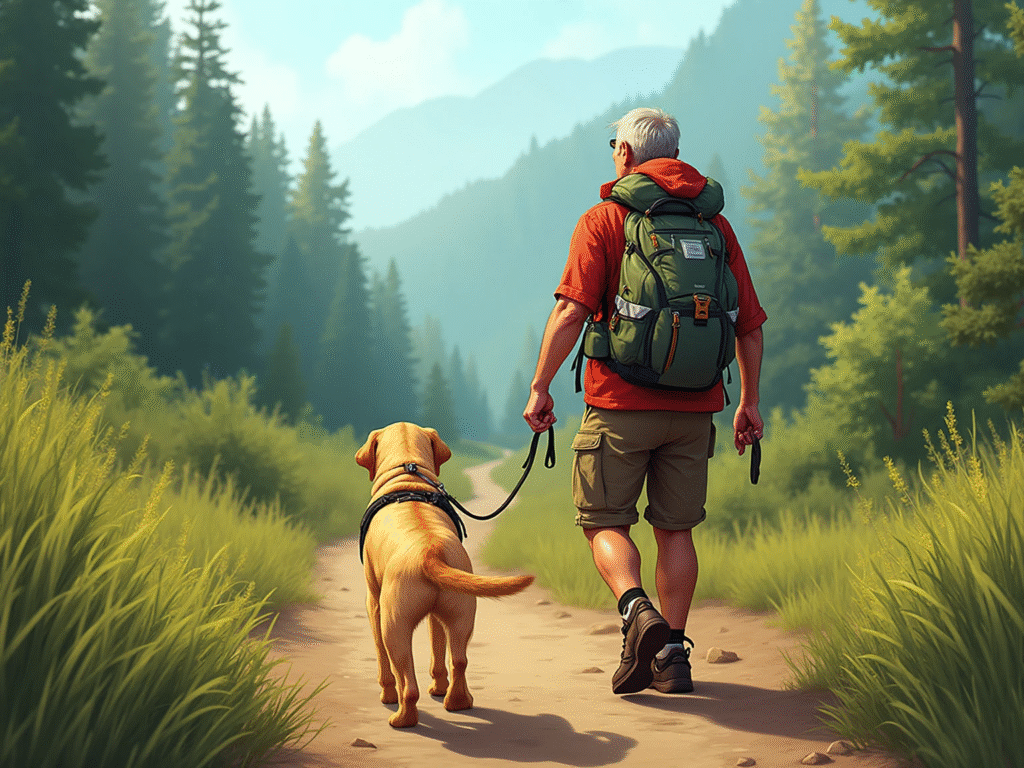
🐾 Trail Blazers: Your Ultimate Guide to Hiking and Camping with Your Dog Adventure Awaits! Unleashing the Fun: The Complete Guide to Hiking and Camping with Your Dog 🏞️ Why Hit the Trail with Your Canine Companion? There’s nothing quite like the feeling of fresh air, open spaces, and the sound of your dog happily trotting beside you. Taking your dog hiking or camping isn’t just a fun weekend activity; it’s a profound bonding experience that taps into their natural instincts and offers immense physical and mental benefits for both of you. Physical Fitness: It’s a great workout for both human and hound! Mental Stimulation: New sights, smells, and sounds keep your dog engaged and happy. Bonding: Shared challenges and discoveries strengthen your relationship. 🎒 Gear Up! Essential Equipment for the Trail-Bound Dog Preparation is key to a safe and enjoyable trip. Never underestimate the importance of the right equipment! 1. Safety & Identification Item Importance Notes Proper Leash & Collar/Harness Control & Safety A durable, 4-6 foot leash is standard. Consider a hands-free leash for hiking. Ensure the collar/harness fits securely. ID Tags & Microchip Critical for Recovery Ensure tags are up-to-date and your dog’s microchip is registered with current contact info. First-Aid Kit (Canine Specific) Emergency Care Include antiseptic wipes, paw protection balm, gauze, vet wrap, and an emergency blanket. 2. Hydration & Nutrition Collapsible Bowl & Water: Always carry more water than you think you’ll need, especially in warm weather. Never rely on finding water sources on the trail. High-Energy Food/Treats: Pack extra calories for sustained energy, especially on multi-day trips. 3. Comfort & Protection Dog Backpack (Optional): Many breeds can carry their own supplies (food, bowl, waste bags). Ensure the pack fits properly and limit the weight to no more than 10-12% of their body weight. Paw Protection: Dog boots are vital for rocky, snowy, or hot terrain to prevent cuts and burns. Dog Sleeping Bag/Pad (For Camping): To insulate them from the cold ground at night. 💡 Editor’s Tip: For purchasing reliable gear, check out dedicated outdoor brands like Ruffwear, REI, Chewy,Ezydog , Kurgo, Cachorreiros,Extreme Dog Gear, (specialized dog gear stores) or Adventure Medical Kit, First Aid Online, Survival (for dog first aid kits, also human versions available in most stores). 🗺️ Trail Prep & General Hiking Tips Before you lace up your boots, follow these general guidelines: Start Small: If your dog is new to hiking, begin with shorter, easier trails and gradually increase the distance and difficulty. Check Trail Rules: Always confirm that the park or trail allows dogs and if they must be kept on a leash. Leave No Trace principles apply to pets too—always pack out waste! Vaccinations & Flea/Tick: Ensure your dog is current on all necessary vaccinations and protected against parasites endemic to the area. Training & Commands: A strong “come” and “leave it” command can be life-saving on the trail. Practice often! 🏕️ Camping with Your Dog: Making it a Comfortable Stay Bringing your dog camping requires a few extra considerations to ensure a peaceful night for everyone. Campsite Rules: Confirm rules regarding noise, leash use in the campsite, and where your dog is allowed to sleep (e.g., in the tent or vehicle). Sleeping Arrangements: Dogs can get cold at night. Bring their blanket or a dedicated dog sleeping bag. If they sleep in the tent, allocate them space that won’t compromise the tent fabric. Securing Your Dog: Never leave your dog unattended. Use a durable tether or stake at the campsite when you are busy setting up or cooking, but make sure they can’t get tangled or reach the campfire. Wildlife Awareness: Keep your dog close, especially at dawn and dusk, to avoid confrontations with local wildlife. 🚨 Safety First: Recommendations for a Worry-Free Adventure Safety is paramount, especially when out of range of immediate veterinary care. Heat & Hydration: Dogs overheat faster than humans. Plan trips for cooler parts of the day. If your dog is panting excessively or lagging, stop immediately and offer water. Learn the signs of heatstroke. Water Safety: If you encounter streams or lakes, be mindful. Do not let your dog drink standing or stagnant water, as it can contain harmful bacteria (like Giardia or Leptospirosis). Check for strong currents. Bringing a good portable water purifier device with you is a great idea too. Paw Checks: Regularly inspect your dog’s paws for cuts, burrs, or embedded debris during breaks and at the end of the day. Snakes and Plants: Research if poisonous snakes or dangerous plants (like poison ivy/oak) are common in the area. Train your dog to “leave it.” Eye protection: You might consider specific eye protecting gear, like Rex Specs, to keep your friend’s eyes safe from elements. 🔗 Reliable Resource: For in-depth safety guidelines, check the official recommendations from organizations like American Veterinary Medical Association (AVMA) or a trusted pet safety site. Conclusion: Ready to Explore? Hitting the trail with your dog is an incredibly rewarding experience. With the right preparation, gear, and mindset, you are both ready to create unforgettable memories in the great outdoors. Grab the leash, pack the treats, and start your adventure! Always Check our blog and keep up to date with amazing news about our furry best friends!