Beat the Rainy Day Blues: 7 Brain Games to Tire Out Your Dog Indoors
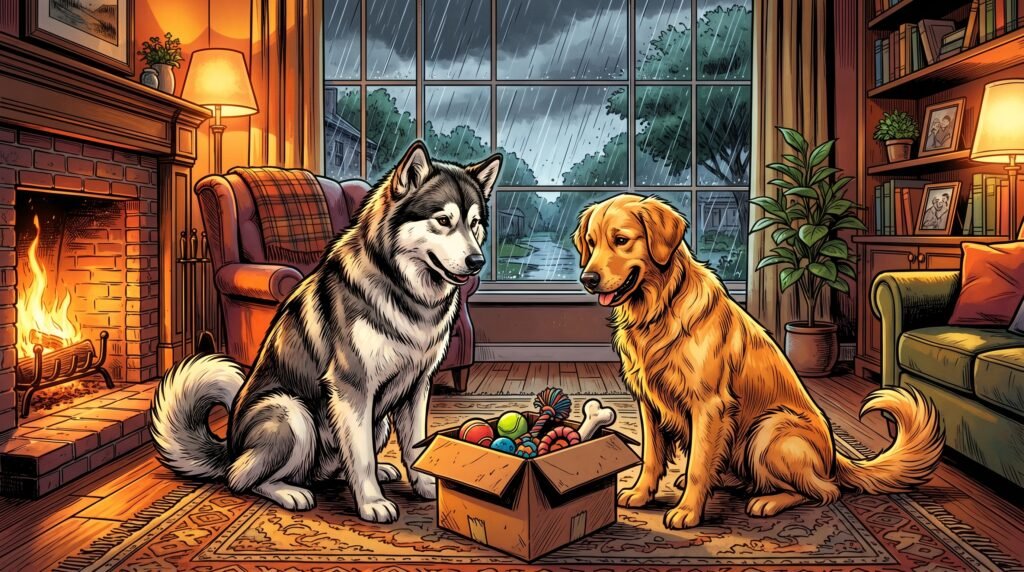
Rainy days can be a challenge for active dogs and their owners. When the weather keeps you off the trails and puts your usual outdoor exercise on pause, cooped-up energy can quickly turn into unwanted behaviors like chewing, pacing, or excessive barking. To avoid those issues and create a nice opportunity to increase the bond with your best friend during not so fine weather days, we bring you the secrets to beat the rainy day blues: 7 Brain Games to Tire Out Your Dog Indoors. But here is a secret known to professional trainers: mental stimulation can tire a dog out just as effectively as a long run. Engaging a dog’s brain fires up their neural pathways, burns calories, and triggers a natural sense of satisfaction. In fact, just 15 minutes of mental exercise can leave your pup ready for a deep nap. According to studies on canine cognition published in Applied Animal Behaviour Science, structured mental enrichment significantly reduces stress and behavioral issues in domestic dogs. If you are stuck inside, don’t let the wet weather ruin your routine. Here are 7 bulletproof brain games to drain your dog’s energy and keep them sharp. 1. The Classic Shell Game (Three-Cup Monte) This game is a fantastic way to sharpen your dog’s problem-solving skills and rely heavily on their sense of smell. How to play: Take three identical plastic cups. Let your dog watch you place a high-value treat under one of the cups. Give your release command (like “find it”) and let them tip the cup over to get the reward. Level up: Once they understand the concept, start shuffling the cups around before letting them search. 2. Setting Up an Indoor “Sniffari” A dog’s sense of smell is their primary window into the world, taking up a massive portion of their brain power. A “sniffari” brings the mental exhaustion of an outdoor trail right into your living room. How to play: Lock your dog in another room while you hide small, smelly treats or pieces of kibble around the house. Place them behind chair legs, on low shelves, or under the edges of rugs. Why it works: Nosework lowers a dog’s heart rate and naturally induces a state of calm focus. 3. The DIY Towel Burrito You don’t need expensive puzzle toys to challenge your dog’s cognitive flexibility. A simple bath towel will do the trick. How to play: Lay a towel flat on the floor and scatter treats across it. Roll the towel up into a long cylinder. For beginners, leave it loose. For an advanced challenge, tie the rolled towel into a loose knot. The goal: Your dog will have to use their nose, paws, and teeth to unroll and untie the fabric to get to the hidden rewards. 4. Master the “Name Game” Dogs have an incredible capacity for vocabulary, with some breeds learning hundreds of distinct words. Use a rainy day to test and expand their object recognition. How to play: Take two distinct toys—for example, a ball and a plush rope. Hold up the ball, say “Get your ball,” and reward them when they touch it. Repeat with the rope. Once they associate the names, place both toys on the floor and ask for one specifically. The payoff: This builds immense focus and strengthens the bond between you and your pup. 5. Muffin Tin Puzzle This is a staple for canine enrichment enthusiasts and utilizes basic household items to create an interactive feeder. How to play: Take a standard 12-cup muffin tin and drop a few kibbles or treats into the bottom of the cups. Then, place tennis balls on top of each opening, completely blocking the food. The puzzle: Your dog must figure out how to lift or roll the tennis balls out of the way to reach the food underneath. 6. Intro to Basic Shaping (The Box Game) Shaping is a training technique where you reward your dog for small, incremental movements toward a final, unprompted goal. It forces them to actively think about what action earns a reward. How to play: Place an empty cardboard box on the floor. Don’t give any commands. If your dog looks at the box, click or say “Yes!” and toss a treat. If they step toward it, reward them. If they put a paw inside, reward them. Why it’s exhausting: Because you aren’t telling them what to do, their brain is working overtime to guess the puzzle and earn the prize. 7. The Destruction Box For dogs with a high prey drive or a natural urge to shred, providing a safe, constructive outlet for this behavior is a lifesaver. How to play: Take a recycling box or a paper bag, fill it with crumpled packing paper, scatter some treats inside, and tape or fold it shut. Let your dog rip, shred, and tear their way into the box to forage for the food. Safety Note: Always supervise this game to ensure your dog doesn’t actually swallow any cardboard or paper. Conclusion Rainy days don’t have to mean dealing with a restless, frustrated dog. By tapping into their natural instincts—sniffing, foraging, problem-solving, and learning—you can easily substitute a three-mile run with a few solid rounds of indoor brain games. Next time the storm clouds roll in, grab some treats, clear a space on the living room floor, and let the mental workouts begin! Always check our Blog for more!
Action Under the Sun: A Guide to Capturing High-Speed Canine Moments
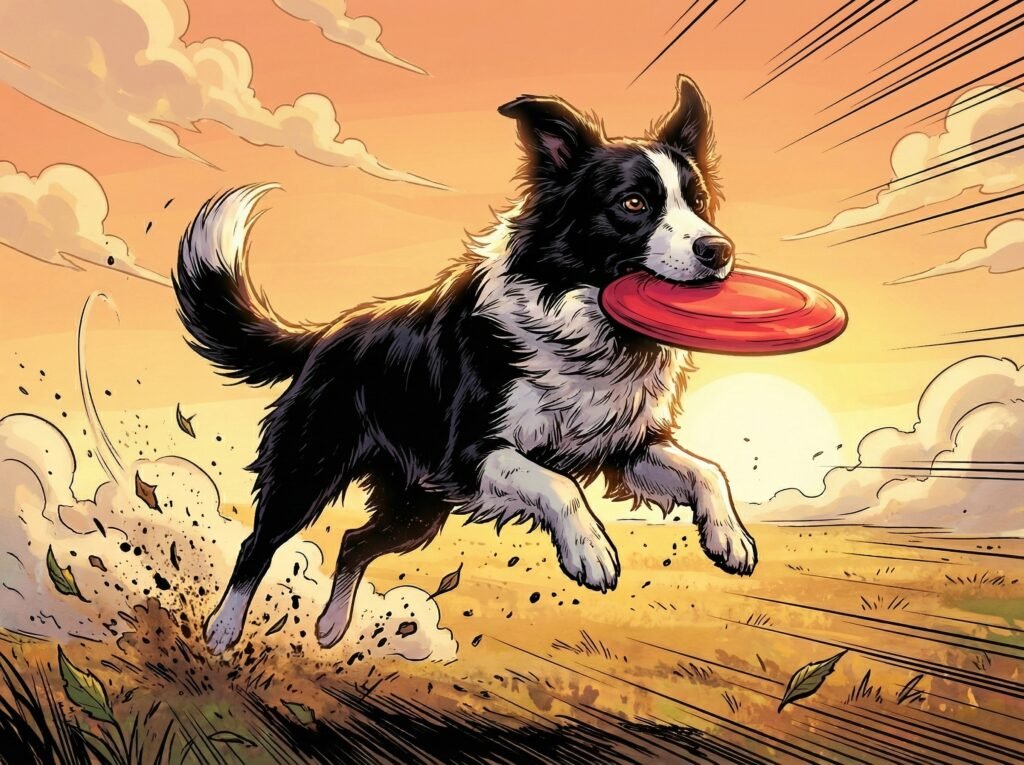
Photographing a sleeping puppy is easy; capturing a Border Collie mid-frisbee catch or a Husky charging through a trail is a different beast entirely. Action photography requires a blend of technical precision, an understanding of canine behavior, and a healthy dose of patience. So today we bring a guide for action dog photography tips for cameras and phones. If you’ve ever ended a session with nothing but a gallery of blurry tails and out-of-focus ears, this guide is for you. 1. The Need for Speed: Shutter Settings In the world of action sports like Canicross or Agility, milliseconds matter. To “freeze” a dog in motion without motion blur, you need a fast shutter speed. The Golden Rule: Aim for a shutter speed of at least 1/1000s. If the dog is sprinting directly toward you, you might even need to push it to 1/2000s. Aperture & Depth: Using a wide aperture (like f/2.8 or f/4) helps create that beautiful “bokeh” (blurred background) that makes the dog pop, but it also lets in more light, allowing for those faster shutter speeds. 2. Mastering Focus: AF-C is Your Best Friend Static focus won’t cut it here. You need to switch your camera’s focus mode to Continuous AF (often labeled as AF-C on Nikon/Sony or AI Servo on Canon). This allows the lens to constantly readjust as the dog moves toward or away from the sensor. Pro Tip: As noted by experts at Digital Photography School, using “Back-Button Focus” can be a game-changer for sports photography, allowing you to track the subject and trigger the shutter independently. 3. Get Down on Their Level One of the biggest mistakes amateur photographers make is shooting from a standing position. To capture the intensity and “soul” of an action shot, you need to see the world from the dog’s perspective. Getting low to the ground—yes, even if it means getting a bit muddy—creates a more immersive and heroic feel. It makes the jumps look higher and the runs look faster. 4. Anticipate the “Apex” Every sport has an “apex” moment. In Agility, it’s the moment the dog is suspended at the highest point of a jump. In Mushing or Bikejoring, it’s when all four paws are off the ground. Don’t just spray and pray with your shutter. Study the dog’s rhythm. According to American Kennel Club (AKC) photography insights, understanding the mechanics of a dog’s gait helps you predict exactly when to hit the shutter for that “floating” effect. 5. Safety and Ethics No shot is worth a dog’s stress or injury. Ensure the environment is safe, the dog is hydrated, and you aren’t interfering with their performance or the handler’s cues. A happy dog makes for a much better subject! Keep yourself safe too, your friend needs you! 6. Action Photography with Your Smartphone You don’t need a bulky DSLR to capture great action shots. Modern smartphones are packed with AI-driven features that can handle movement surprisingly well, though the technique differs slightly between operating systems. Burst Mode is Key: Instead of trying to time a single click, hold down the shutter button (or volume button) to activate Burst Mode. This captures dozens of frames per second, allowing you to pick the exact millisecond where your dog looks like a superhero. The OS Difference (iOS vs. Android): iPhone (iOS): Apple’s “Deep Fusion” and Smart HDR work wonders, but for action, the Live Photos feature is a secret weapon. You can take a Live Photo and later “Select Key Photo” from the edit menu to find the sharpest frame. Android (Pixel/Samsung/etc.): Many high-end Androids feature a “Pro Mode” that allows you to manually set the Shutter Speed (look for the ‘S’ icon), mimicking a professional camera. Google Pixel users can also utilize “Top Shot”, which suggests the best frame from a short video burst. Focus Tracking: On most modern phones, you can tap and hold on your dog on the screen to “AE/AF Lock.” This ensures the camera stays locked on your pet even as they move across the frame. Pro Tip: According to CNET’s photography guides, the most significant limitation of phones is the digital zoom. To keep your action shots crisp, avoid zooming in; instead, get physically closer to the action or crop the photo afterward. Our Blog is full of more fun and informative content for you and your best furry friend, keep watching us!
Dog Sports: 4 Common Myths vs. The Reality of Canine Athletics
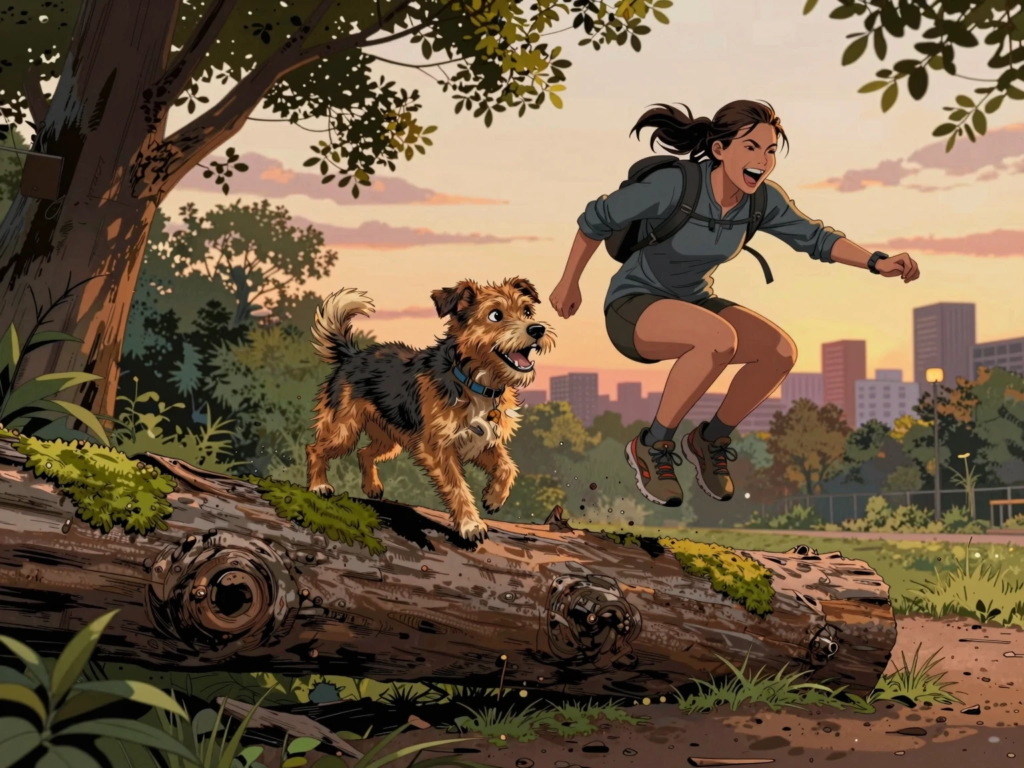
We’re all watching those lightning-fast Border Collies at Crufts 2026, weaving through poles with surgical precision. It’s breathtaking, but for many dog owners, it’s also intimidating. You look at your mixed-breed rescue or your slightly-too-relaxed family pet and think, “That’s not for us.” Or worse, you hear skeptics say that sports are “too much” for a dog. There are common dog sports myths. Today, we’re stripping away the gatekeeping and the misconceptions. Whether it’s Canicross, Hoopers, or Canine Parkour, dog sports aren’t just for the elite—they are for the connected. Myth #1: “My dog isn’t a purebred, so we aren’t welcome.” The Reality: Modern dog sports are more diverse than ever. While certain breeds were historically developed for specific tasks, the “drive” to work isn’t exclusive to a pedigree. In fact, some of the most inspiring competitors in Agility and Mushing today are “All-American” mixed breeds and rescues. Most international organizations now have specific divisions for non-purebred dogs. The goal isn’t to look like a breed standard; it’s to move, think, and solve problems together. Whether your dog is a Terrier-mix with endless energy or a retired Greyhound looking for low-impact Hoopers, there is a place for you on the field. Myth #2: “Is dog sport just ‘forcing’ the animal to work?” The Reality: It’s about biological fulfillment, not coercion. This is a common objection from well-meaning animal lovers. However, viewing sports as “work” in a negative sense misses the point of canine evolution. Dogs are born with a biological “need” for a job. When we deny them an outlet for their instincts—like pulling in Bikejoring or navigating obstacles—that energy often turns into anxiety or destructive behavior at home. In sports like Agility, you cannot “force” a dog to perform with speed and joy. If the partnership isn’t based on positive reinforcement and genuine fun, the dog simply won’t do it. A dog in a sport isn’t a tool; they are a teammate. Myth #3: “I’m not an athlete, so I can’t do this.” The Reality: There is a pace for every pair. You don’t need to be a marathon runner to enjoy an active life with your dog. Sports like Canine Parkour focus on balance, core strength, and slow, controlled movements—perfect for owners who prefer a steady walk over a sprint. Even Canicross (cross-country running with your dog) can start as “Canihiking.” The focus shouldn’t be on the podium or the stopwatch. In the spirit of a more balanced, Stoic approach to life, the “win” is the presence you share with your dog during the activity, not the trophy at the end. Myth #4: “Dog sports are too expensive and require too much gear.” The Reality: Your backyard is your stadium, and your current leash is your starting line. One of the biggest misconceptions fueled by professional competitions is that you need a trailer full of specialized equipment to get started. While high-end gear exists for elite competitors, the barrier to entry for a hobbyist is remarkably low. Start Where You Are: Many of the most popular activities, like Canine Parkour or Hoopers, can be practiced with items you already have at home. A sturdy harness, a standard leash, and a handful of high-value treats are all you need to begin teaching foundational movements. In fact, “Urban Parkour” encourages you to use the environment around you—fallen logs, park benches, and curbs—as your equipment. The “DIY” Advantage: If you are interested in Agility, you don’t need to buy a regulation A-frame on day one. PVC pipes can become weave poles, and a simple hula-hoop can serve as a jump. For sports like Canicross or Bikejoring, while a specific pulling harness is a vital safety investment once you commit, you can test the waters by simply power-walking or light jogging with your dog on a standard, comfortable harness. Focus on the Bond, Not the Brand: In the end, your dog doesn’t care about the brand of your running belt or the color of the agility tunnels. They care about the engagement and the time spent with you. Investing in “experiences” over “things” is not just a budget-friendly move; it’s a more focused way to build a relationship based on communication rather than consumerism. Pro-Tips: How to Start Your Dog Sport Journey Today Ready to take the leap? Before you head out, keep these expert tips in mind to ensure a successful and joyful start for both you and your teammate: Prioritize a Vet Check: Before starting high-impact sports like Agility or distance sports like Canicross, have a quick chat with your vet. Ensuring your dog’s joints and heart are ready for the extra work is the first step of a responsible handler. The 5-Minute Rule: When starting out, keep sessions short and sweet. It is better to have 5 minutes of high-energy, successful engagement than 20 minutes of fatigue and boredom. Always end the session while your dog still wants more! Master the “Reset” reward: In sports, the reward (treat or toy) isn’t just for the finish line. Use it to mark small wins. A dog that associates the “work” with a high-value reward will develop the “drive” that makes sports look effortless. Focus on the Foundation: Don’t rush to the complex obstacles. Spend time on basic cues like “left/right” (directional cues) and “steady.” A strong foundation makes learning any specific sport 10x faster later on. Record Your Progress: Use your phone to film your practice. Not only is it great for your blog or Instagram, but it’s also the best way to see how your dog is responding to your body language. You’ll be amazed at the progress you see in just one month! Conclusion: Beyond the Ribbon Ultimately, debunking these myths allows us to see dog sports for what they truly are: a sophisticated form of play. It’s an investment in your dog’s mental health and your own physical well-being. Don’t let the “perfection” of televised competitions stop you from starting your own journey in your backyard or
Crufts 2026: A Guide to the World’s Greatest Dog Show
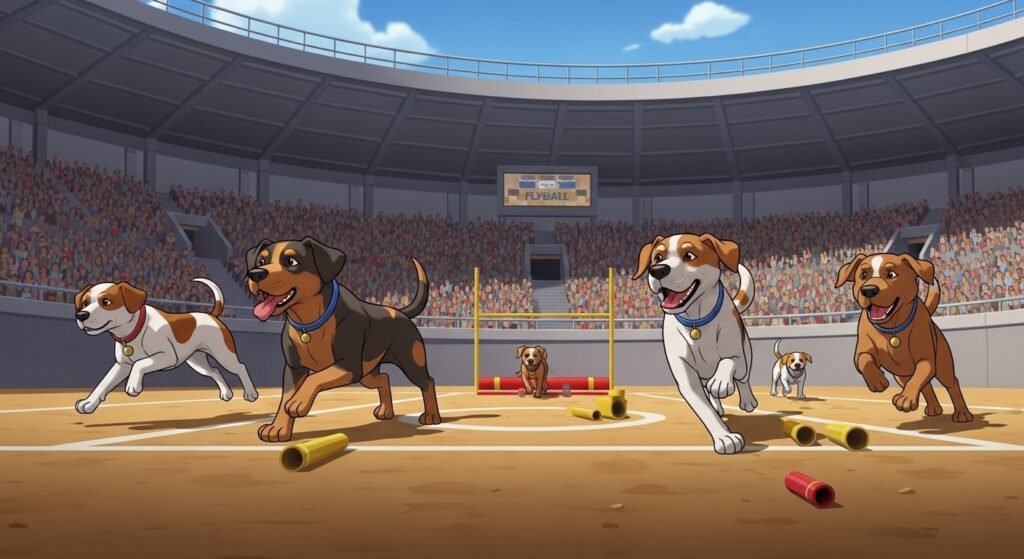
We’re back on the track! And this time to cover no less than the greatest dog event of the world! If there is one event that every dog lover has on their bucket list, it is Crufts. Organised by The Royal Kennel Club, Crufts is not just a dog show; it is a massive four-day celebration of everything canine. Held annually at the NEC in Birmingham, UK, it brings together over 18,000 dogs from around the globe to compete for the most prestigious titles in the world. More Than Just “Best in Show” While the crowning of the Best in Show on Sunday night is the most famous moment, Crufts is packed with high-octane action and diverse activities that cater to every interest. Agility and Flyball: For fans of speed, the Agility and Flyball competitions are must-sees. Watching dogs navigate complex obstacle courses or race in relay teams at lightning speed is truly breath-taking. Heelwork to Music: This is essentially “dog dancing.” Handlers and dogs perform choreographed routines to music, showcasing an incredible level of bond and precision. Obedience & Rally: For those who appreciate discipline, the Obedience Championships highlight the peak of canine training. Scruffts: Crufts isn’t just for pedigrees! Scruffts is the national competition for crossbreeds, focusing on character, health, and temperament. The Hero Dog Award: One of the most emotional segments of the show, celebrating dogs that have saved lives or provided life-changing support to their owners. Discover Dogs: If you are attending in person, this area allows you to meet and greet over 200 different breeds and talk to experts about their unique traits. How to Experience Crufts 2026 Whether you are in the UK or across the ocean, you don’t have to miss a second of the action. 1. Attending in Person Crufts 2026 takes place from March 5th to March 8th at the NEC Birmingham. Tickets: Must be purchased in advance via the official Crufts website. Tip: Wear comfortable shoes! With five massive halls and a main arena, you will be doing a lot of walking. 2. Watching from Home (UK) For those in the UK, Channel 4 and More4 provide extensive daily coverage, totaling over 17 hours of broadcasts including the live finale. 3. Global Streaming (International) The best part for international fans? You can watch most of the arena action live and for free on the official Crufts YouTube Channel. They provide live streams of the main arena and agility rings, as well as highlights and behind-the-scenes clips. 4. Crufts also has a very nice Instagram channel. Why It Matters Crufts remains a cornerstone of the dog world because it promotes responsible dog ownership and celebrates the unique bond we share with our four-legged friends. From the rarest “vulnerable” native breeds to the world-famous Golden Retrievers, it is a spectacle of diversity and dedication. Keep watching our blog for more news, see you soon!