Bikejoring for Beginners: The Ultimate Guide to Biking with Your Dog | Dog Sports
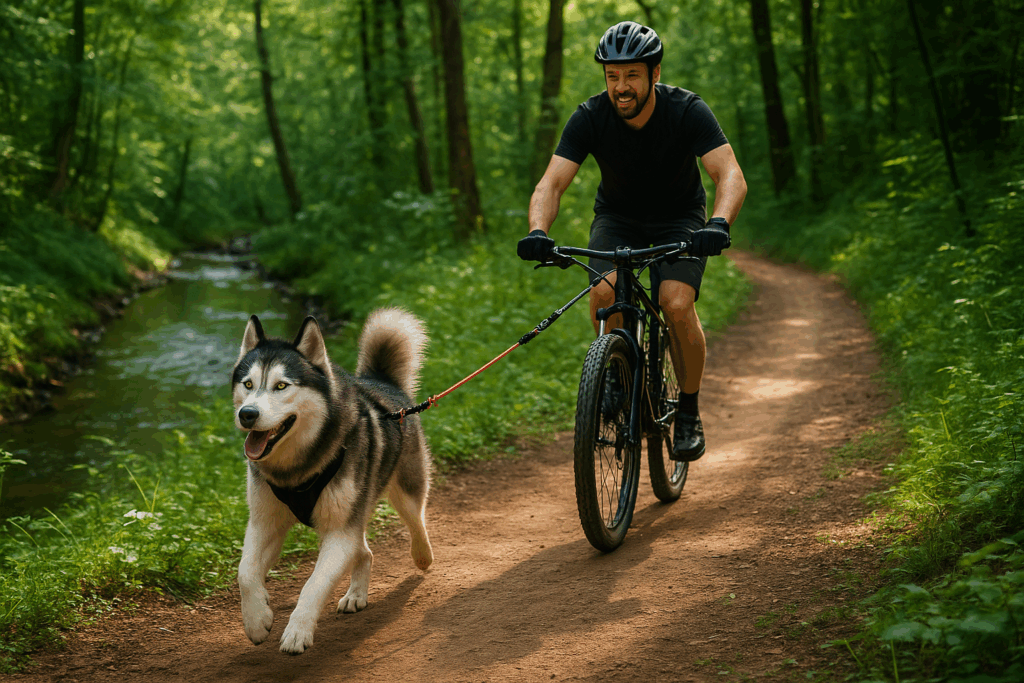
🐾 Gear Up & Go! Your Dog’s Next Big Adventure is Bikejoring Ready to ditch the boring neighborhood walk and kick your dog’s exercise routine into high gear? Meet Bikejoring—the ultimate team sport where you and your dog become a high-speed, two-wheeled (or three!) dynamic duo. It’s fast, it’s fun, and it’s a fantastic way to deepen the bond with your canine companion. But what exactly is it, and how do you start without ending up in a ditch? Let’s dive into this exhilarating dog sport! What in the World is Bikejoring? 🚴🐕 Simply put, Bikejoring is a dog-powered sport where your dog wears a special pulling harness and runs in front of you, pulling you along while you ride a bicycle (usually a mountain bike). Think of it as urban mushing or dryland sledding, but with a bike! It’s all about teamwork: your dog provides the horsepower and you provide the steering, braking and—most importantly—the verbal commands. Who is it for? Energetic dogs who love to run and pull! Breeds commonly seen excelling in Bikejoring include Siberian Huskies, Malamutes, Border Collies, German Shorthaired Pointers, and mixed-breed dogs (often called “Eurohounds” or “Greysters”). A Key Perk: It’s an incredible way to drain the energy of a high-drive dog safely and efficiently. Happy dog, happy life! 🛑 Hold Your Horses! Bikejoring Equipment Essentials Before you hit the trails, safety first! A common mistake for beginners is simply attaching a regular leash to the handlebars—never do this! It’s extremely dangerous for you and your furry friend and can lead to severe accidents. Here’s the essential (and required!) gear for safe and fun Bikejoring: Gear Type What You Need Why It’s Crucial For Your Dog Pulling Harness (X-Back or H-Back style) Ensures force is distributed evenly across the chest and shoulders, not the throat. MUST be properly fitted. Connection Line Bungee Line (or Bikejoring Line) A long line (usually 8-10 ft when extended) with a built-in shock absorber to protect both your backs from sudden jerks. For Your Bike Bike Antenna (or Springer) A flexible arm that mounts on your bike frame to keep the pulling line away from the front wheel in case of slack. For the Human Mountain Bike (with good brakes!) Hydraulic disc brakes are highly recommended, especially if your dog is a powerful puller. Helmet and Gloves are mandatory! For Safety Dog Booties (optional, but wise) Protect your dog’s paws on rough or sharp terrain, particularly in competition. 🚨 Editor’s Tip: Always check your bike’s tire pressure and your brakes before every run. You are traveling at high speeds! Never forget the golden rule: safety first! For your beloved four legged friend and for you! These are examples of good places to check specific gear with more details: Alpine Outfitters Non-stop dogwear The Rules of the Trail: Bikejoring 101 Bikejoring isn’t just a blast—it’s a disciplined dog sport with clear rules, especially in organized races. Even if you’re just training for fun adopting these basic rules is vital for safety and effective communication. 📣 Key Commands (The Dog Must Know!) Verbal commands are your steering wheel and brakes. Start practicing these on your regular walks before you introduce the bike: “Hike!” / “Go!”: Start running/Speed up. “Gee”: Turn right. “Haw”: Turn left. “Whoa” / “Stop”: Stop running. “On By”: Ignore distractions (e.g., squirrels, other dogs, people). 📝 Important Safety and Competition Rules Dog Age: Most competition rules (and veterinary advice) state your dog must be at least 18 months old before engaging in hard-pulling activities like Bikejoring to ensure their growth plates are fully closed. Passing: In races, if you are overtaking another team, you must call out, “Trail!” or “Pass!” and announce which side you are passing on (e.g., “Pass on your left!”). The team being passed must clear the trail and help keep their dog focused. Dog Welfare is Priority: Never run your dog in temperatures above 60-65°F (around 15-18°C). Humidity is a factor to be taken in consideration too. Always carry water and check your dog’s paws and breathing. Stop immediately if your dog shows signs of overheating or fatigue. No Pavement: Bikejoring should primarily be done on soft surfaces like dirt trails, forest paths, or grass. Hard surfaces can be brutal on a dog’s joints and paws at high speeds. It’s essentially a contact with nature sport more than everything. 🌐 Need More Info? Reliable Bikejoring Resources Ready to geek out on the gear, training, and competition aspects of this amazing sport? Start with these reliable resources: International Federation of Sleddog Sports (IFSS): For official international rules, standards, and world-class competition details. National/Local Sled Dog or CaniSports Associations: Search for your country’s specific Cani-Sports or Mushing organization (e.g., UK Sleddog Sports Association, also check this link from AKC with important info). They often host local races, workshops, and provide community support. Specialty Gear Retailers (e.g., Non-Stop Dogwear, Howling Dog Alaska): These sites offer not only high-quality, specialized equipment but also excellent guides on proper harness fitting and training tips. Final Thought: Bikejoring is a journey, not a race (unless you sign up for one!). Start slow and keep it fun, enjoy the incredible energy and connection you share with your dog as you fly down the trail together. You’ve got this!