The Psychology of the Canine Athlete: Focus, Motivation, and Performance
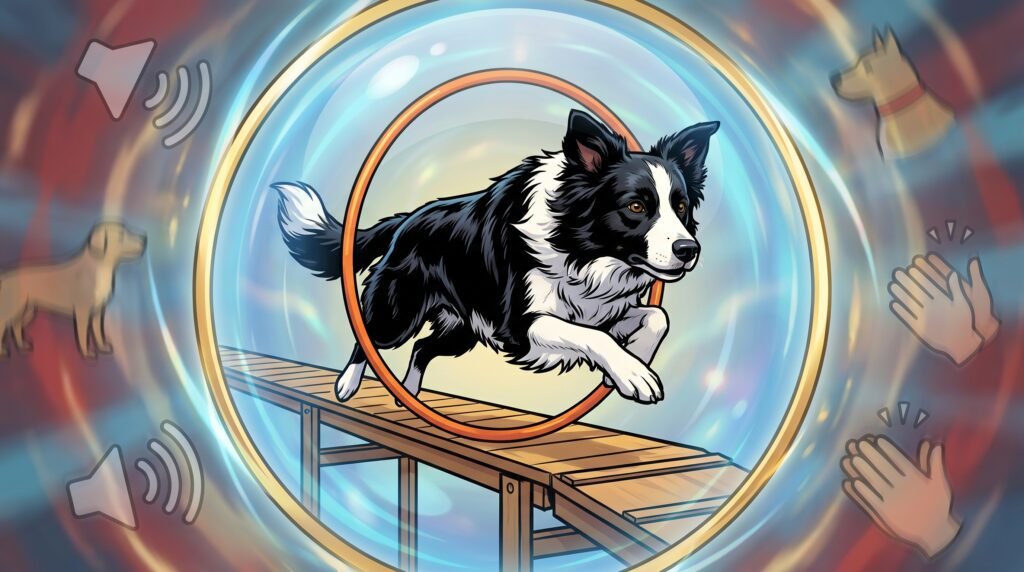
When we watch a dog zip through an Agility tunnel or navigate a Hoopers course with surgical precision, it’s easy to focus solely on the physical prowess—the speed, the tuck of the paws, the lean of the body. However, the true engine behind a champion canine athlete isn’t just muscle; it’s psychology. In this case canine athlete psychology. Understanding how a dog thinks, focuses, and stays motivated is what separates a “good” run from a “gold medal” run. 1. The Power of “Drive” and Motivation In canine sports, “drive” is the internal engine that pushes a dog to perform. However, motivation isn’t a one-size-fits-all concept. According to researchers like Dr. Sophia Yin, positive reinforcement is the cornerstone of developing a motivated athlete. Intrinsic vs. Extrinsic: Some dogs are intrinsically motivated by the “job” itself (the joy of running), while others require extrinsic rewards like high-value treats or a favorite tug toy. The Reward Gap: Successful handlers minimize the “gap” between the task and the reward, ensuring the dog associates the mental effort of the obstacle with a massive psychological payoff. 2. Focus: Maintaining Clarity Amidst the Chaos A competition environment is loud, crowded, and full of distracting scents. A canine athlete must utilize selective attention. This is the ability to tune out the barking of a nearby terrier to focus solely on the handler’s physical cues and verbal commands. “Focus is a muscle that must be trained. In sports like Agility, the dog isn’t just following a hand; they are performing high-speed pattern recognition under pressure.” 3. Arousal Levels: Finding the “Sweet Spot” The Yerkes-Dodson Law, a psychological principle often applied to human athletes, applies to dogs as well. It suggests there is an optimal level of arousal for performance: Under-aroused: The dog is bored or distracted, leading to slow times. Over-aroused: The dog is “over the top,” leading to knocked bars, missed contacts, or “zoomies.” The Optimal Zone: The dog is alert, focused, and responsive. Identifying your dog’s unique “sweet spot” is the key to consistency in sports like Canicross or Mushing. 4. The Handler-Dog Bond: Synchronized Psychology Canine sports are a team effort. Dogs are incredibly sensitive to emotional contagion. If a handler is nervous, the dog’s cortisol levels can rise, affecting their decision-making on the course. A study published in Applied Animal Behaviour Science suggests that dogs mirror the stress levels of their owners during competitions. Staying calm and “Stoic” as a handler helps your dog remain confident. Conclusion Training a canine athlete is 50% physical conditioning and 50% mental fortitude. By understanding the nuances of canine psychology, we can build a partnership based on trust, clarity, and genuine enthusiasm. Whether you are aiming for the podium or just having fun in the backyard, remember: a happy, focused mind leads to a fast, agile body. And never forget: the safety and wellbeing of your pup comes before everything else! Stay tuned on our Blog for more great canine world content
Dog Sports: 4 Common Myths vs. The Reality of Canine Athletics
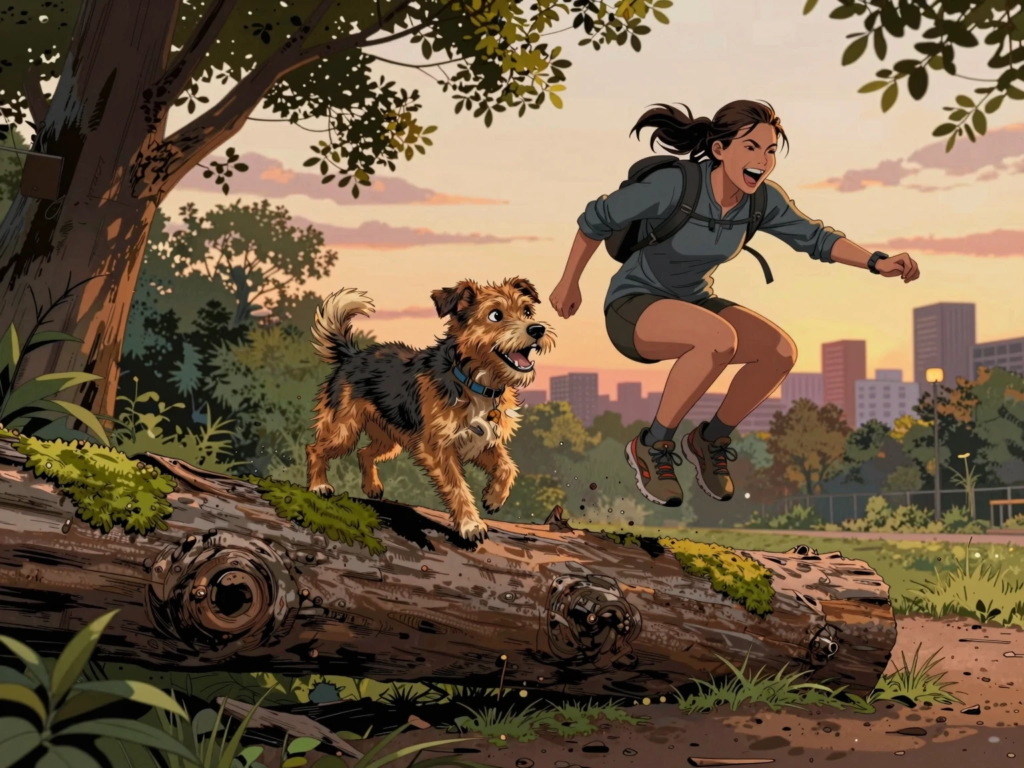
We’re all watching those lightning-fast Border Collies at Crufts 2026, weaving through poles with surgical precision. It’s breathtaking, but for many dog owners, it’s also intimidating. You look at your mixed-breed rescue or your slightly-too-relaxed family pet and think, “That’s not for us.” Or worse, you hear skeptics say that sports are “too much” for a dog. There are common dog sports myths. Today, we’re stripping away the gatekeeping and the misconceptions. Whether it’s Canicross, Hoopers, or Canine Parkour, dog sports aren’t just for the elite—they are for the connected. Myth #1: “My dog isn’t a purebred, so we aren’t welcome.” The Reality: Modern dog sports are more diverse than ever. While certain breeds were historically developed for specific tasks, the “drive” to work isn’t exclusive to a pedigree. In fact, some of the most inspiring competitors in Agility and Mushing today are “All-American” mixed breeds and rescues. Most international organizations now have specific divisions for non-purebred dogs. The goal isn’t to look like a breed standard; it’s to move, think, and solve problems together. Whether your dog is a Terrier-mix with endless energy or a retired Greyhound looking for low-impact Hoopers, there is a place for you on the field. Myth #2: “Is dog sport just ‘forcing’ the animal to work?” The Reality: It’s about biological fulfillment, not coercion. This is a common objection from well-meaning animal lovers. However, viewing sports as “work” in a negative sense misses the point of canine evolution. Dogs are born with a biological “need” for a job. When we deny them an outlet for their instincts—like pulling in Bikejoring or navigating obstacles—that energy often turns into anxiety or destructive behavior at home. In sports like Agility, you cannot “force” a dog to perform with speed and joy. If the partnership isn’t based on positive reinforcement and genuine fun, the dog simply won’t do it. A dog in a sport isn’t a tool; they are a teammate. Myth #3: “I’m not an athlete, so I can’t do this.” The Reality: There is a pace for every pair. You don’t need to be a marathon runner to enjoy an active life with your dog. Sports like Canine Parkour focus on balance, core strength, and slow, controlled movements—perfect for owners who prefer a steady walk over a sprint. Even Canicross (cross-country running with your dog) can start as “Canihiking.” The focus shouldn’t be on the podium or the stopwatch. In the spirit of a more balanced, Stoic approach to life, the “win” is the presence you share with your dog during the activity, not the trophy at the end. Myth #4: “Dog sports are too expensive and require too much gear.” The Reality: Your backyard is your stadium, and your current leash is your starting line. One of the biggest misconceptions fueled by professional competitions is that you need a trailer full of specialized equipment to get started. While high-end gear exists for elite competitors, the barrier to entry for a hobbyist is remarkably low. Start Where You Are: Many of the most popular activities, like Canine Parkour or Hoopers, can be practiced with items you already have at home. A sturdy harness, a standard leash, and a handful of high-value treats are all you need to begin teaching foundational movements. In fact, “Urban Parkour” encourages you to use the environment around you—fallen logs, park benches, and curbs—as your equipment. The “DIY” Advantage: If you are interested in Agility, you don’t need to buy a regulation A-frame on day one. PVC pipes can become weave poles, and a simple hula-hoop can serve as a jump. For sports like Canicross or Bikejoring, while a specific pulling harness is a vital safety investment once you commit, you can test the waters by simply power-walking or light jogging with your dog on a standard, comfortable harness. Focus on the Bond, Not the Brand: In the end, your dog doesn’t care about the brand of your running belt or the color of the agility tunnels. They care about the engagement and the time spent with you. Investing in “experiences” over “things” is not just a budget-friendly move; it’s a more focused way to build a relationship based on communication rather than consumerism. Pro-Tips: How to Start Your Dog Sport Journey Today Ready to take the leap? Before you head out, keep these expert tips in mind to ensure a successful and joyful start for both you and your teammate: Prioritize a Vet Check: Before starting high-impact sports like Agility or distance sports like Canicross, have a quick chat with your vet. Ensuring your dog’s joints and heart are ready for the extra work is the first step of a responsible handler. The 5-Minute Rule: When starting out, keep sessions short and sweet. It is better to have 5 minutes of high-energy, successful engagement than 20 minutes of fatigue and boredom. Always end the session while your dog still wants more! Master the “Reset” reward: In sports, the reward (treat or toy) isn’t just for the finish line. Use it to mark small wins. A dog that associates the “work” with a high-value reward will develop the “drive” that makes sports look effortless. Focus on the Foundation: Don’t rush to the complex obstacles. Spend time on basic cues like “left/right” (directional cues) and “steady.” A strong foundation makes learning any specific sport 10x faster later on. Record Your Progress: Use your phone to film your practice. Not only is it great for your blog or Instagram, but it’s also the best way to see how your dog is responding to your body language. You’ll be amazed at the progress you see in just one month! Conclusion: Beyond the Ribbon Ultimately, debunking these myths allows us to see dog sports for what they truly are: a sophisticated form of play. It’s an investment in your dog’s mental health and your own physical well-being. Don’t let the “perfection” of televised competitions stop you from starting your own journey in your backyard or
Crufts 2026: A Guide to the World’s Greatest Dog Show
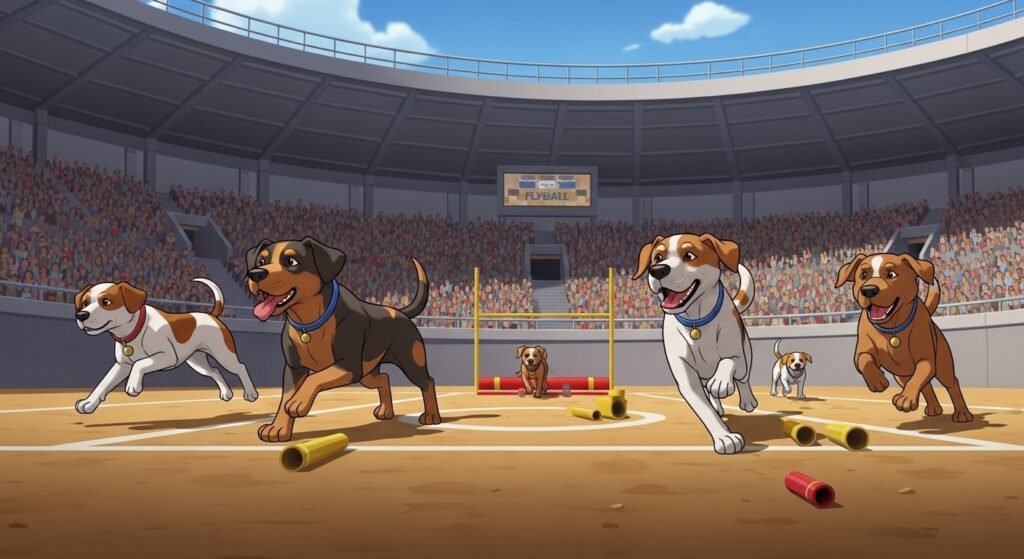
We’re back on the track! And this time to cover no less than the greatest dog event of the world! If there is one event that every dog lover has on their bucket list, it is Crufts. Organised by The Royal Kennel Club, Crufts is not just a dog show; it is a massive four-day celebration of everything canine. Held annually at the NEC in Birmingham, UK, it brings together over 18,000 dogs from around the globe to compete for the most prestigious titles in the world. More Than Just “Best in Show” While the crowning of the Best in Show on Sunday night is the most famous moment, Crufts is packed with high-octane action and diverse activities that cater to every interest. Agility and Flyball: For fans of speed, the Agility and Flyball competitions are must-sees. Watching dogs navigate complex obstacle courses or race in relay teams at lightning speed is truly breath-taking. Heelwork to Music: This is essentially “dog dancing.” Handlers and dogs perform choreographed routines to music, showcasing an incredible level of bond and precision. Obedience & Rally: For those who appreciate discipline, the Obedience Championships highlight the peak of canine training. Scruffts: Crufts isn’t just for pedigrees! Scruffts is the national competition for crossbreeds, focusing on character, health, and temperament. The Hero Dog Award: One of the most emotional segments of the show, celebrating dogs that have saved lives or provided life-changing support to their owners. Discover Dogs: If you are attending in person, this area allows you to meet and greet over 200 different breeds and talk to experts about their unique traits. How to Experience Crufts 2026 Whether you are in the UK or across the ocean, you don’t have to miss a second of the action. 1. Attending in Person Crufts 2026 takes place from March 5th to March 8th at the NEC Birmingham. Tickets: Must be purchased in advance via the official Crufts website. Tip: Wear comfortable shoes! With five massive halls and a main arena, you will be doing a lot of walking. 2. Watching from Home (UK) For those in the UK, Channel 4 and More4 provide extensive daily coverage, totaling over 17 hours of broadcasts including the live finale. 3. Global Streaming (International) The best part for international fans? You can watch most of the arena action live and for free on the official Crufts YouTube Channel. They provide live streams of the main arena and agility rings, as well as highlights and behind-the-scenes clips. 4. Crufts also has a very nice Instagram channel. Why It Matters Crufts remains a cornerstone of the dog world because it promotes responsible dog ownership and celebrates the unique bond we share with our four-legged friends. From the rarest “vulnerable” native breeds to the world-famous Golden Retrievers, it is a spectacle of diversity and dedication. Keep watching our blog for more news, see you soon!
Dog Agility 101: The Ultimate Guide to Fitness, Fun, and Bonding
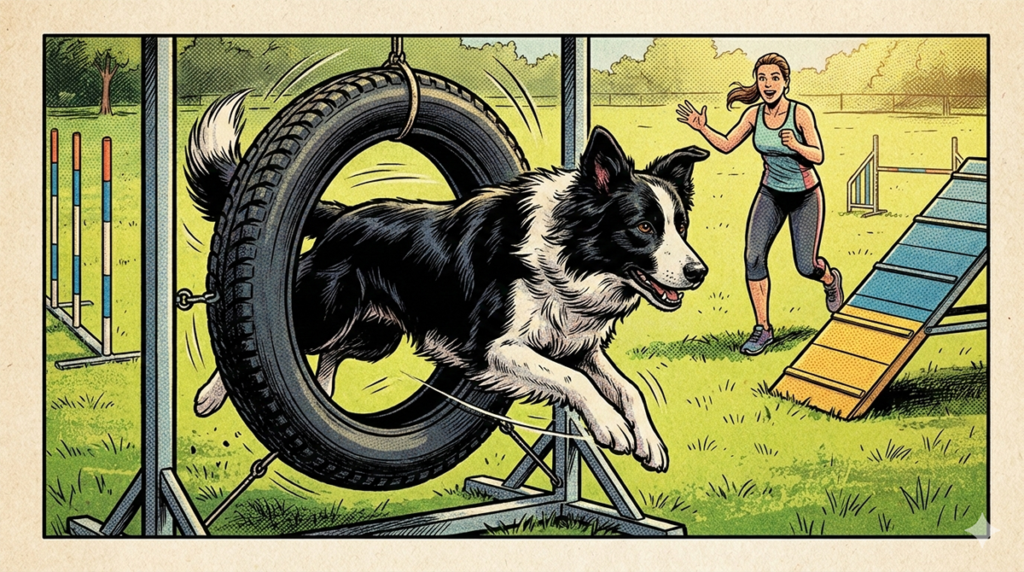
If you’ve ever watched a dog zip through a tunnel, weave between poles with lightning speed, and leap over hurdles with grace, you’ve witnessed the magic of Dog Agility. More than just a competition, it is a high-energy dance between human and hound that celebrates communication, athleticism, and pure joy. In this guide, we’ll dive into what makes this canine sport so special, how to get started, and where to find the best gear for your future champion. What Exactly is Dog Agility? At its core, agility is an obstacle course race. The dog must navigate a timed circuit—including jumps, tunnels, weave poles, and ramps—guided only by the cues and body language of their handler. No leashes, no food rewards on the course, and definitely no touching the dog! According to the American Kennel Club (AKC), agility is one of the fastest-growing dog sports in the world because it caters to a dog’s natural instincts to run, climb, and hunt. The Benefits: More Than Just Exercise Agility isn’t just a workout for the paws; it’s a workout for the brain. Here is why you should consider it: Mental Stimulation: Dogs have to “read” their handler’s cues and solve the puzzle of the course in real-time. Physical Conditioning: It improves flexibility, strengthens muscles, and boosts cardiovascular health. Unbreakable Bond: The level of trust required to navigate an A-frame or a see-saw creates a unique language between you and your dog. Off-Leash Reliability: The training involved translates directly to better recall and focus in everyday life. Essential Agility Equipment If you are looking to practice in your backyard or set up a professional course, you’ll need specific obstacles. The Fédération Cynologique Internationale (FCI) sets international standards for these tools: Equipment Type Description Contact Obstacles Items like the A-frame, Dog Walk, and See-saw where the dog must touch specific “contact zones.” Tunnels Collapsible tubes that dogs sprint through. Weave Poles A series of 5 to 12 upright poles the dog must zigzag through. Jumps & Hurdles Varying heights based on the dog’s size; includes the “tire jump.” Editor’s Pro-Tip: Always start with “flatwork”—teaching your dog to follow your hand movements on the ground before introducing height or complex obstacles. Where to Buy: Top Reference Sites for Gear Investing in safe, durable equipment is crucial to prevent injuries. Here are some of the most respected names in the industry: Clean Run: The “Amazon” of the agility world, offering everything from training treats to full-sized competition contacts. Galican: Known globally for their high-end, padded, and safety-conscious equipment used in world championships. Affordable Agility: A fantastic resource for beginners looking for lightweight, portable kits for backyard practice. Tudo de cão: One of the main sources for official Agility equipment in Brazil. How to Get Started You don’t need a Border Collie or a Sheltie to enjoy this sport. While some breeds are “naturals,” any healthy dog with high toy or food motivation can participate. Check for health: Consult your vet to ensure your dog’s joints are ready for jumping. Find a local club: The United States Dog Agility Association (USDAA) Brasil Agility or your local kennel club often lists trainers. Start slow: Focus on basic obedience (sit, stay, and “come”) before hitting the obstacles. Now let’s talk about the humans! Mastering the Lead: 5 Essential Tips for New Agility Handlers So, your dog is ready to run, jump, and weave—but are you? In the world of Dog Agility, you aren’t just a spectator; you are the navigator. Your body language, timing, and energy dictate how smoothly your dog navigates the course. If you’re just starting out, here is how you can step up your game to become the partner your dog deserves. 1. Your Body Speaks Louder Than Your Voice Dogs are masters of reading non-verbal cues. In agility, where you point your shoulders, feet, and even where you look can mean the difference between a clean run and a missed jump. The “Laser” Rule: Imagine lasers coming out of your chest. Wherever those lasers point, that’s where your dog thinks they should go. Consistent Hand Signals: Decide early on which hand signals represent which obstacles and stick to them. 2. Focus on Your Own Fitness You don’t need to be an Olympic sprinter, but agility requires quick bursts of speed and sharp lateral movements. Warm-up Together: Just as your dog needs to stretch, so do you. Prevent pulled muscles by doing a light jog and dynamic stretches before hitting the course. Footwear Matters: According to experts at UK Agility, wearing the right shoes is the most important “gear” for a handler. Invest in trail running shoes or turf cleats to avoid slipping on grass or sand. 3. Precision Timing is Everything The most common mistake for beginners is giving cues too late. By the time your dog is mid-air over a jump, they should already know where they are heading next. Advance Cues: Aim to give your verbal command or physical signal before the dog commits to the current obstacle. Trust Your Dog: Once you’ve given the cue, trust your dog to complete the task while you move into position for the next one. 4. Keep Training Sessions Short and Sweet Agility is mentally draining for both parties. The United States Dog Agility Association (USDAA) emphasizes that “less is often more” in training. Stop while your dog is still excited and wanting more. Always end on a high note with a “jackpot” (a favorite toy or high-value treat) to keep their motivation sky-high. 5. Learn to “Walk the Course” Before a run, handlers get a few minutes to walk the course without their dogs. Use this time wisely: Visualize: Close your eyes and imagine the run from your dog’s perspective. Identify Trap Obstacles: Look for areas where your dog might be tempted to take the wrong jump and plan your positioning to block that “trap.” Handler’s Golden Rule: If your dog makes a mistake, 90% of the time it’s because of a late or unclear