The Inbound Recovery Window: What and When to Feed Your Dog After Extreme Exercise
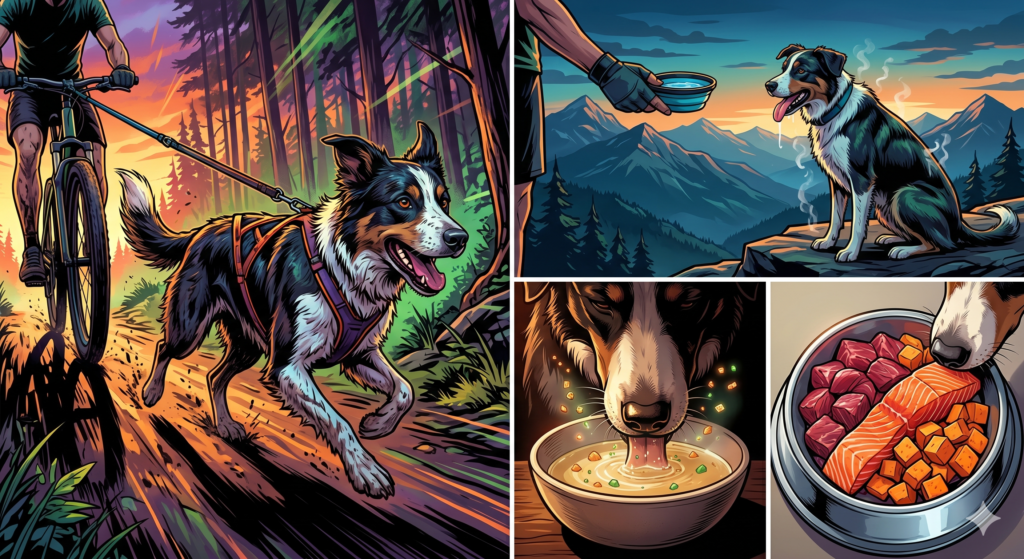
Every handler knows the exhilarating feeling of crossing the finish line after a grueling bikejoring run, nailing a clean agility course, or completing a demanding backcountry trail. Your heart is pounding, your adrenaline is surging, and your dog is sporting that unmistakable, tongue-out canine smile. That’s the moment when sports dog recovery window techniques come in hand. But once the dust settles, a critical biological clock starts ticking. Just like human athletes, canine athletes experience a specific post-exercise phase where their bodies are primed to repair tissue and replenish energy. In the world of working and sporting dogs, this is often referred to as the recovery window. However, feeding a dog after extreme physical exertion isn’t as simple as dumping kibble into a bowl the moment you get back to the truck. In fact, doing so can be incredibly dangerous. Let’s dive into the science of the canine recovery window: exactly when it’s safe to feed your dog, what nutrients they need to bounce back, and how to protect them from life-threatening medical emergencies. The Golden Rule: The Cool-Down Comes First Before we even discuss macronutrients or supplements, we must address the most critical factor in post-exercise canine care: the cool-down period. Feeding a dog whose heart rate is still elevated and whose respiration is high is a recipe for disaster. When a dog exercises intensely, blood flow is diverted away from the stomach and directed toward the muscles and lungs to sustain performance. If you introduce food or large amounts of water into the stomach while the digestive system is essentially “offline,” you drastically increase the risk of Gastric Dilatation-Volvulus (GDV), commonly known as bloat. The 60-Minute Rule: As a strict guideline, wait at least 30 to 45 minutes after exercise to offer small amounts of water, and at least 60 minutes before offering a solid meal. The dog’s breathing must return to a completely normal, resting rate before any food is introduced. Rehydration First, Refueling Second The very first stage of the recovery window isn’t food—it’s hydration. Extreme exercise, especially in working breeds or during warm-weather mushing and canicross sessions, causes rapid moisture loss through panting. According to veterinary sports medicine guidelines, rehydration should be strategic: Avoid Gulping: Do not let your dog chug gallons of ice-cold water immediately after a run. This can trigger vomiting or contribute to GDV. Offer small, controlled amounts of ambient-temperature water every 10–15 minutes during the cool-down. The Power of Nutrient-Enhanced Water: To kickstart recovery without overloading the stomach, many handlers use “water baiting” or flavored hydration. Adding a tablespoon of commercial canine electrolytes or a splash of low-sodium, homemade bone broth to the water encourages drinking and begins restoring lost fluids and trace minerals. What to Feed: The Science of Canine Muscle Recovery Once your dog is completely cool, relaxed, and resting, the true metabolic recovery window opens. In canine sports physiology, the goal of post-exercise nutrition is twofold: replenishing glycogen stores (the muscles’ primary energy source) and repairing muscle tissue micro-tears. Unlike humans, who rely heavily on massive carbohydrate loading after a workout, a dog’s metabolic engine runs primarily on fats and high-quality proteins. 1. High-Bioavailability Protein (The Building Blocks) During extreme exertion, muscle fibers experience microscopic damage. To repair this tissue and prevent muscle wasting, your dog needs easily digestible, high-quality animal protein rich in essential amino acids. What to look for: Real meats like chicken, beef, or fish. If you feed kibble, ensuring it has a highly digestible protein source as the primary ingredient is key. For raw feeders, easily consumable proteins like green tripe or lean muscle meat are excellent post-workout options. 2. High-Quality Fats (The Sustained Fuel) While carbohydrates can help rapidly rebuild glycogen stores immediately after a sprint, studies in journals like Veterinary Clinics of North America: Small Animal Practice show that endurance dogs (like sled dogs and distance runners) metabolize fats with incredible efficiency. Incorporating healthy fats, such as Omega-3 fatty acids from fish oil, not only aids in energy replenishment but also acts as a powerful natural anti-inflammatory to reduce joint and muscle soreness. 3. Strategic Carbohydrates (For Fast-Twitch Athletes) If your dog participates in high-intensity, short-duration sports like Agility or Flyball, their body utilizes anaerobic pathways that deplete glycogen quickly. A small, easily digestible carbohydrate source (like a bit of pureed pumpkin or sweet potato) included in their post-cool-down meal can help accelerate glycogen synthesis. Summary Checklist for Post-Exercise Recovery To make things easy on your next adventure, keep this timeline in mind: Time Elapsed Action Rationale 0–15 Mins Active walking cool-down. No food. Lowers heart rate and body temperature safely. 15–30 Mins Small sips of water or bone broth. Initiates safe rehydration without stomach distress. 45–60 Mins Verify resting respiratory rate. Ensures the digestive system is ready to receive food. 60+ Mins Feed a balanced, protein-and-fat-rich meal. Maximizes muscle repair and energy replenishment. By mastering the timing and composition of your dog’s post-workout meals, you aren’t just feeding a pet—you are fueling an athlete. Protect their stomach first, give their muscles the premium nutrients they deserve second, and watch their performance, longevity, and enthusiasm for the sport skyrocket.
Action Under the Sun: A Guide to Capturing High-Speed Canine Moments
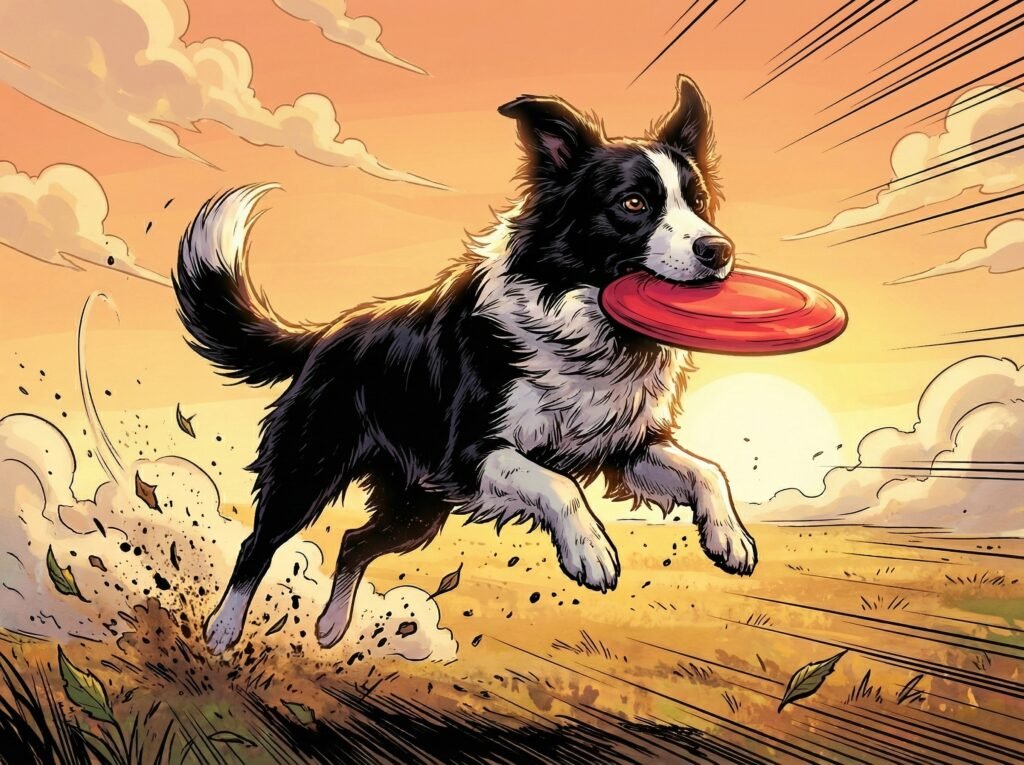
Photographing a sleeping puppy is easy; capturing a Border Collie mid-frisbee catch or a Husky charging through a trail is a different beast entirely. Action photography requires a blend of technical precision, an understanding of canine behavior, and a healthy dose of patience. So today we bring a guide for action dog photography tips for cameras and phones. If you’ve ever ended a session with nothing but a gallery of blurry tails and out-of-focus ears, this guide is for you. 1. The Need for Speed: Shutter Settings In the world of action sports like Canicross or Agility, milliseconds matter. To “freeze” a dog in motion without motion blur, you need a fast shutter speed. The Golden Rule: Aim for a shutter speed of at least 1/1000s. If the dog is sprinting directly toward you, you might even need to push it to 1/2000s. Aperture & Depth: Using a wide aperture (like f/2.8 or f/4) helps create that beautiful “bokeh” (blurred background) that makes the dog pop, but it also lets in more light, allowing for those faster shutter speeds. 2. Mastering Focus: AF-C is Your Best Friend Static focus won’t cut it here. You need to switch your camera’s focus mode to Continuous AF (often labeled as AF-C on Nikon/Sony or AI Servo on Canon). This allows the lens to constantly readjust as the dog moves toward or away from the sensor. Pro Tip: As noted by experts at Digital Photography School, using “Back-Button Focus” can be a game-changer for sports photography, allowing you to track the subject and trigger the shutter independently. 3. Get Down on Their Level One of the biggest mistakes amateur photographers make is shooting from a standing position. To capture the intensity and “soul” of an action shot, you need to see the world from the dog’s perspective. Getting low to the ground—yes, even if it means getting a bit muddy—creates a more immersive and heroic feel. It makes the jumps look higher and the runs look faster. 4. Anticipate the “Apex” Every sport has an “apex” moment. In Agility, it’s the moment the dog is suspended at the highest point of a jump. In Mushing or Bikejoring, it’s when all four paws are off the ground. Don’t just spray and pray with your shutter. Study the dog’s rhythm. According to American Kennel Club (AKC) photography insights, understanding the mechanics of a dog’s gait helps you predict exactly when to hit the shutter for that “floating” effect. 5. Safety and Ethics No shot is worth a dog’s stress or injury. Ensure the environment is safe, the dog is hydrated, and you aren’t interfering with their performance or the handler’s cues. A happy dog makes for a much better subject! Keep yourself safe too, your friend needs you! 6. Action Photography with Your Smartphone You don’t need a bulky DSLR to capture great action shots. Modern smartphones are packed with AI-driven features that can handle movement surprisingly well, though the technique differs slightly between operating systems. Burst Mode is Key: Instead of trying to time a single click, hold down the shutter button (or volume button) to activate Burst Mode. This captures dozens of frames per second, allowing you to pick the exact millisecond where your dog looks like a superhero. The OS Difference (iOS vs. Android): iPhone (iOS): Apple’s “Deep Fusion” and Smart HDR work wonders, but for action, the Live Photos feature is a secret weapon. You can take a Live Photo and later “Select Key Photo” from the edit menu to find the sharpest frame. Android (Pixel/Samsung/etc.): Many high-end Androids feature a “Pro Mode” that allows you to manually set the Shutter Speed (look for the ‘S’ icon), mimicking a professional camera. Google Pixel users can also utilize “Top Shot”, which suggests the best frame from a short video burst. Focus Tracking: On most modern phones, you can tap and hold on your dog on the screen to “AE/AF Lock.” This ensures the camera stays locked on your pet even as they move across the frame. Pro Tip: According to CNET’s photography guides, the most significant limitation of phones is the digital zoom. To keep your action shots crisp, avoid zooming in; instead, get physically closer to the action or crop the photo afterward. Our Blog is full of more fun and informative content for you and your best furry friend, keep watching us!
Beyond Agility: Discover the Magic of Hoopers and Canine Parkour
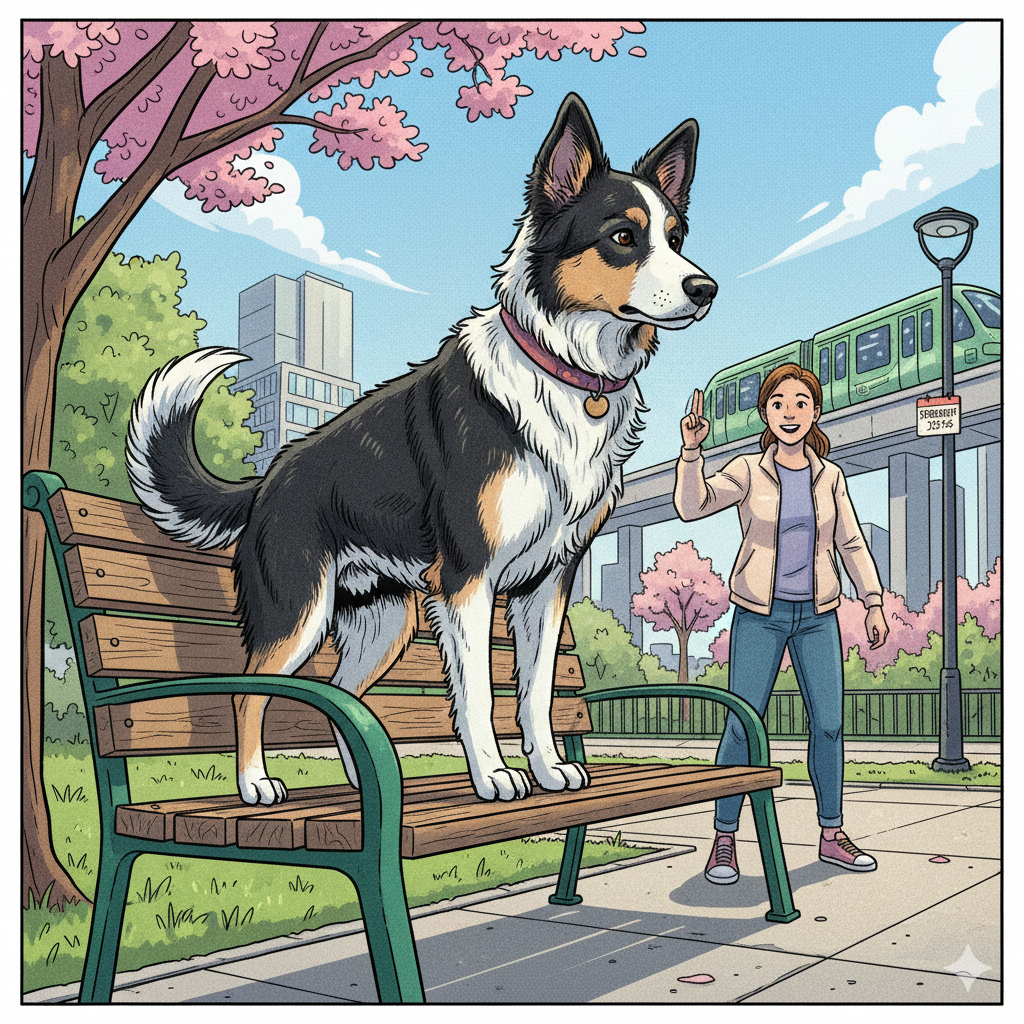
If you love the idea of canine sports but worry about the high-impact nature of jumping, you’re not alone. In 2026, the canine world is shifting toward inclusive fitness. Enter Hoopers and Canine Parkour—two fast-growing activities that offer all the mental and physical thrills of Agility, with a focus on longevity and accessibility. Whether you have a senior dog, a giant breed, or a young pup, these sports are designed for everyone. What is Hoopers? The Low-Impact Revolution Originally derived from Agility, Hoopers replaces jumps with large circular hoops. The dog runs through the hoops rather than leaping over bars. The Flow: Courses consist of hoops, tunnels, barrels, and “mats.” There are no sharp turns or jumps, making it incredibly gentle on a dog’s joints. Distance Handling: Unlike traditional Agility, Hoopers emphasizes the handler staying in a limited area while directing the dog from a distance—a fantastic challenge for your communication skills! According to UK Hoopers: This sport is ideal for dogs that need to keep their “zoomies” in check without the physical toll of high-impact landing. Canine Parkour: The World is Your Playground Often called “Urban Agility,” Canine Parkour is about interacting with the environment in creative ways. It’s not about speed; it’s about balance, core strength, and confidence. The Obstacles: A park bench becomes a “balance beam,” a fallen log becomes a “hurdle,” and a wall becomes a “two-paws-up” station. Proprioception: It teaches dogs where their back paws are—a skill many dogs actually lack! Safety First: The International Dog Parkour Association (IDPKA) emphasizes that dogs should always wear a harness for safety and “spotting” by the owner. Comparing the Two: Which One is Right for You? Feature Hoopers Canine Parkour Physical Impact Very Low (No jumping) Moderate (Climbing/Balancing) Environment Flat field or indoor arena Anywhere (Urban or Nature) Equipment Needed Hoops, Barrels, Tunnels Harness, Leash, and the World Main Benefit Speed and Distance Control Confidence and Core Strength Reference Sites for Gear & Certification To get started properly, check out these industry leaders: Hoopers World: The go-to source for lightweight, portable hoops and training equipment. FitPAWS: While they focus on conditioning, their equipment is the gold standard for preparing your dog’s core for Parkour movements. International Dog Parkour Association: A great place to find titles and certification paths you can achieve right from your own neighborhood You can always check your local associations and market for gear. Why These Sports are Dominating in 2026 The shift toward “Fitness for All” means owners are looking for ways to keep their dogs active into their golden years. Hoopers and Parkour are not just sports; they are confidence-builders that turn a regular walk into an adventurous training session. As we usually say here, it’s very important for owners to take care of themselves too, wearing proper shoes and clothing, check local weather, as well as double checking courses safety and correct hydratation for you and your furry buddy. And always obeserve dog’s reactions. Never force anything if your dog is too tired or not having fun anymore! Keep watching our Blog for more news about the wonderful world of dog adventures!
Fueling the Athlete: Timing Your Dog’s Meals for Exercise and Safety
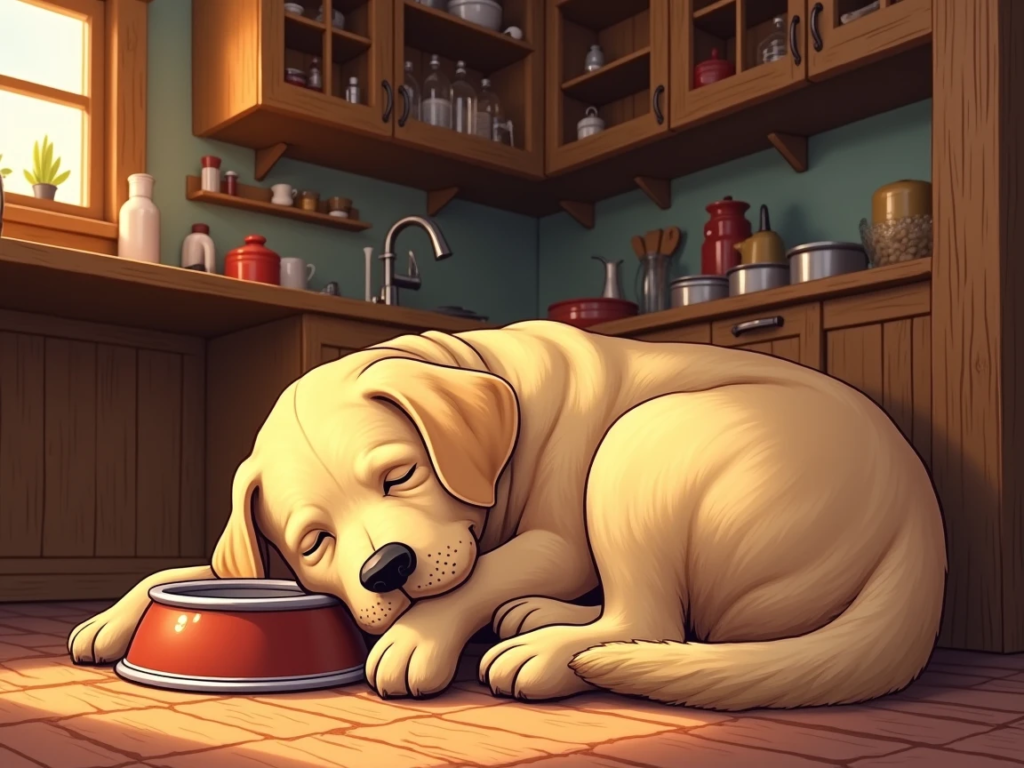
Feeding dogs before and after exercise is not as simple as it seems. We all love seeing our dogs sprint through the park, join us on a trail run, or catch a frisbee with athletic grace. Keeping our companions active is vital for their mental and physical health. However, when it comes to canine nutrition and exercise, timing is just as important as the quality of the kibble. Feeding your dog at the wrong time can lead to more than just a stomach ache; it can lead to a life-threatening emergency. Here is how to fuel your furry athlete safely. The Golden Rule: Avoiding Gastric Torsion (Bloat) Before we dive into the “when,” we must discuss the “why.” The biggest risk of improper feeding around exercise is Gastric Dilatation-Volvulus (GDV), commonly known as Bloat or Gastric Torsion. GDV occurs when a dog’s stomach fills with gas, food, or fluid and then twists. This traps the contents and cuts off blood supply to vital organs. According to the American Kennel Club (AKC) and the Merck Veterinary Manual, GDV is a high-mortality emergency that requires immediate surgery. Pro-Tip: Large, deep-chested breeds (like Great Danes, German Shepherds, Labrador Retrievers, Golden Retrievers and Standard Poodles) are at a higher risk, but it can happen to any dog. Exercise on a full stomach is a primary trigger. 1. Before the Activity: The “Two-Hour” Window To prevent the stomach from being too heavy or active during exercise, follow these guidelines: The Wait Time: Avoid feeding a full meal at least 2 hours before intense physical activity. Small Snacks: If you are going for a long hike, a very small, high-protein snack 30 minutes prior is usually safe for most dogs, but consult your vet if your dog is prone to bloat. The Content: Pre-exercise meals should be easily digestible. Avoid high-fiber fillers that cause gas. 2. During the Activity: Hydration is Key While food is usually a “no-go” during intense movement, hydration is non-negotiable. Small Sips: Do not let your dog gulp down an entire bowl of water at once. This can swallow air and contribute to bloat. Offer small amounts of water frequently. Cool, Not Cold: Extremely cold water can occasionally cause stomach cramps in an overheated dog. Room temperature or slightly cool water is best. 3. After the Activity: The Cool-Down Period After your dog has finished their “workout,” their body is still in a high-metabolic state. Feeding them immediately can lead to vomiting or GDV. Recovery Timeline Time After Exercise Action 0 – 30 Minutes Allow the dog to pant and bring their heart rate down. Small sips of water only. 30 – 60 Minutes Once breathing is completely back to normal, you can offer more water. 60+ Minutes This is the “Safe Zone” for a full meal. Summary Checklist for Owners Wait 2 hours after a meal before running or playing hard. Wait 1 hour after exercise before providing a full meal. Monitor for symptoms: If your dog shows signs of a distended abdomen, unproductive retching (trying to vomit but nothing comes up), or extreme restlessness after eating/exercise, contact an emergency vet immediately. By following these simple timing rules, you ensure that your dog stays energized, healthy, and—most importantly—safe while enjoying the great outdoors with you. Check our Blog for more adventure and safety tips for you and your furry best friend!