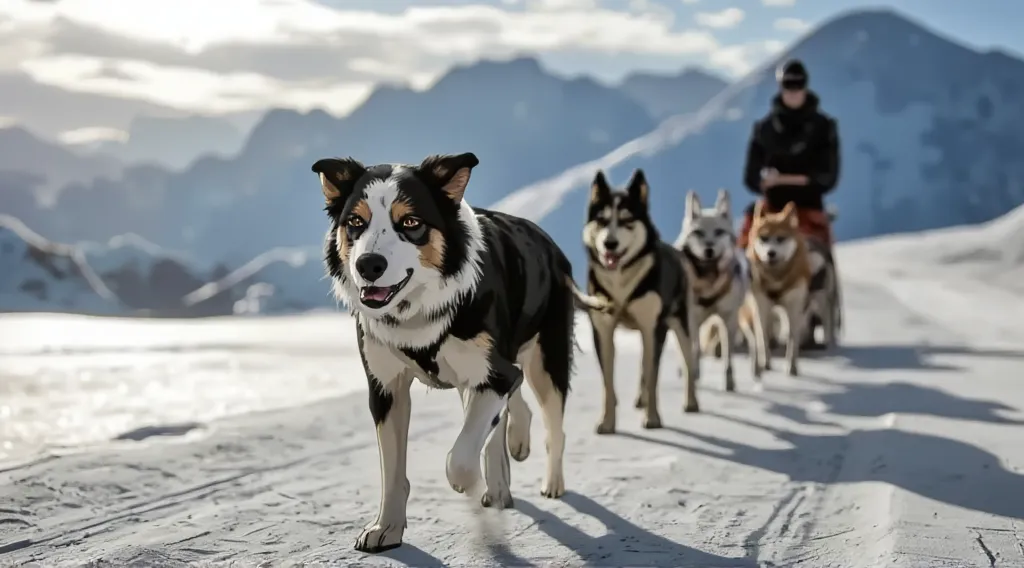
It’s snow time! But it doesn’t need to be! When most people hear the word mushing, they immediately think of the snowy plains of Alaska and a team of Huskies racing through a blizzard. While that’s the classic image, the world of mushing is much bigger (and often much warmer!) than you might think.
Whether you have a team of ten or just one energetic pup, mushing is a fantastic way to burn energy and strengthen your bond. Grab a leash, and let’s dive into the “paws-ibilities” of this incredible sport!
What Exactly is Mushing?
At its core, mushing is a sport where one or more dogs pull a vehicle (a sled, a bike, or even you!). While it started as a necessary form of transportation in the Arctic, it has evolved into a global competitive sport.
Today, we categorize it into two main types:
-
Sledding: The traditional winter version on snow.
-
Dryland Mushing: The “off-snow” version involving running (Canicross), biking (Bikejoring), or using scooters and wheeled carts (Rigging).
The Essential Gear: Safety and Comfort First
You can’t just use a standard neck collar for mushing; it could hurt your dog’s neck and restrict their breathing. Professional equipment is a must.
1. The Harness
The X-Back harness is the industry standard. It’s designed to distribute the pulling weight across the dog’s chest and ribcage rather than the neck.
Note: For certain breeds or shorter dogs, a “Half-back” or “Long-distance” harness might be recommended.
2. The Tugline (Bungee Lead)
This isn’t your average leash. A mushing line must have a bungee (shock absorber) component. This protects both the dog’s spine and your back from sudden jolts when starting or stopping.
3. The Vehicle
-
Sleds: Made of wood or carbon fiber for snow.
-
Gigs/Rigs: Three or four-wheeled carts for dryland.
-
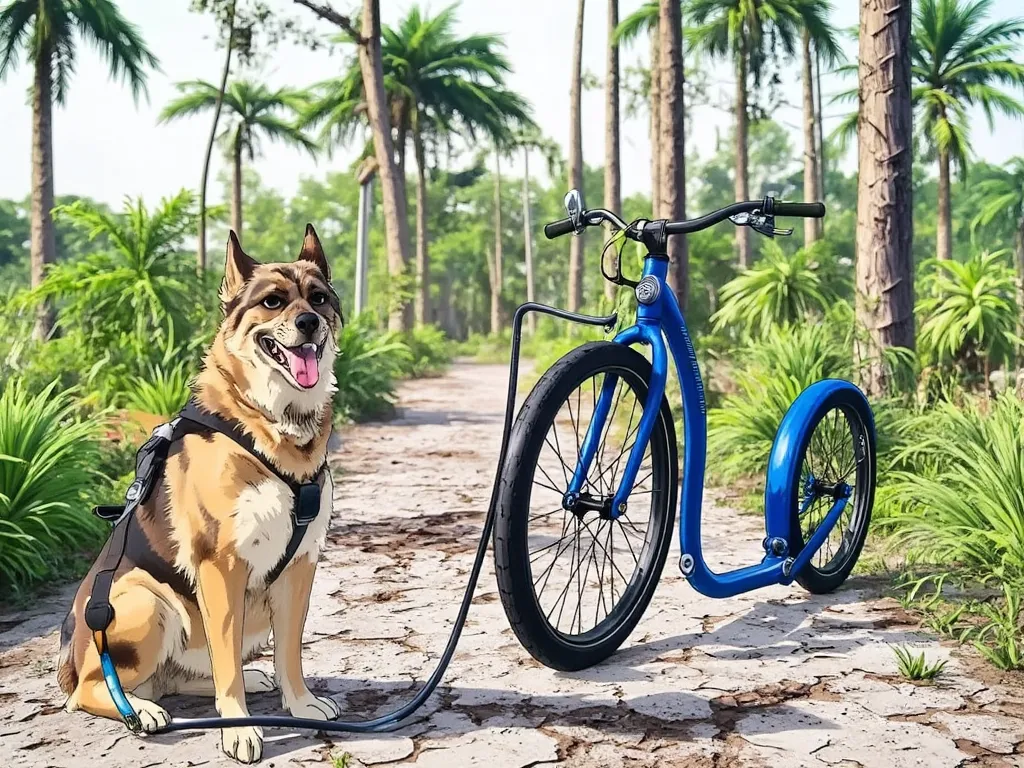
Bikes/Scooters: For smaller teams (1-2 dogs, also called Urban Mushing)
4. Booties and Paw Care
Especially in the snow or on rough gravel, booties are essential to prevent ice buildup or abrasions between the paw pads.
Rules of the Trail
Every sport needs a bit of order! While specific rules vary by event, the International Federation of Sleddog Sports (IFSS) sets the standard. Key rules usually include:
-
The “No-Whip” Rule: Mushing is built on a relationship of trust. Any form of physical abuse or forceful “motivation” is strictly prohibited and results in immediate disqualification.
-
Right of Way: In races, the faster team usually has the right of way. The “trail” command is called out to signal an overtake.
-
Dog Welfare: Most federations require mandatory vet checks before races to ensure every dog is hydrated, healthy, and happy to run.
Federations and Where to Learn More
If you’re looking to get competitive or find a local community, these organizations are the “top dogs” in the industry:
-
IFSS (International Federation of Sleddog Sports): The global governing body for the sport.
-
ISDRA (International Sled Dog Racing Association): Great for those looking for North American events and regulations.
-
Non-stop Dogwear: While a brand, their blog and tutorials are goldmines for beginners.
-
Alpine Outfitters: A highly trusted source for custom-fitted harnesses and professional gear.
Safety Tips for New Mushers
-
Watch the Temperature: Dogs overheat much faster than humans. In dryland mushing, many experts suggest stopping if the temperature rises above 15°C (59°F).
-
Hydration is Key: Offer water frequently, but avoid large meals immediately before or after a run to prevent stomach issues (bloat).
-
Listen to Your Dog: If they stop or seem distracted, don’t force them. The goal is for them to want to pull!
Ready to Hit the Trail?
Mushing is more than just a workout; it’s a language of “Gees” (turn right) and “Haws” (turn left). It’s about becoming a team with your best friend.
Don’t forget to look forward our Blog to find more info about amazing canine sports, including our comprehensive posts about Canicross and Bikejoring!