If you’ve ever watched a dog zip through a tunnel, weave between poles with lightning speed, and leap over hurdles with grace, you’ve witnessed the magic of Dog Agility. More than just a competition, it is a high-energy dance between human and hound that celebrates communication, athleticism, and pure joy.
In this guide, we’ll dive into what makes this canine sport so special, how to get started, and where to find the best gear for your future champion.
What Exactly is Dog Agility?
At its core, agility is an obstacle course race. The dog must navigate a timed circuit—including jumps, tunnels, weave poles, and ramps—guided only by the cues and body language of their handler. No leashes, no food rewards on the course, and definitely no touching the dog!
According to the American Kennel Club (AKC), agility is one of the fastest-growing dog sports in the world because it caters to a dog’s natural instincts to run, climb, and hunt.
The Benefits: More Than Just Exercise
Agility isn’t just a workout for the paws; it’s a workout for the brain. Here is why you should consider it:
-
Mental Stimulation: Dogs have to “read” their handler’s cues and solve the puzzle of the course in real-time.
-
Physical Conditioning: It improves flexibility, strengthens muscles, and boosts cardiovascular health.
-
Unbreakable Bond: The level of trust required to navigate an A-frame or a see-saw creates a unique language between you and your dog.
-
Off-Leash Reliability: The training involved translates directly to better recall and focus in everyday life.
Essential Agility Equipment
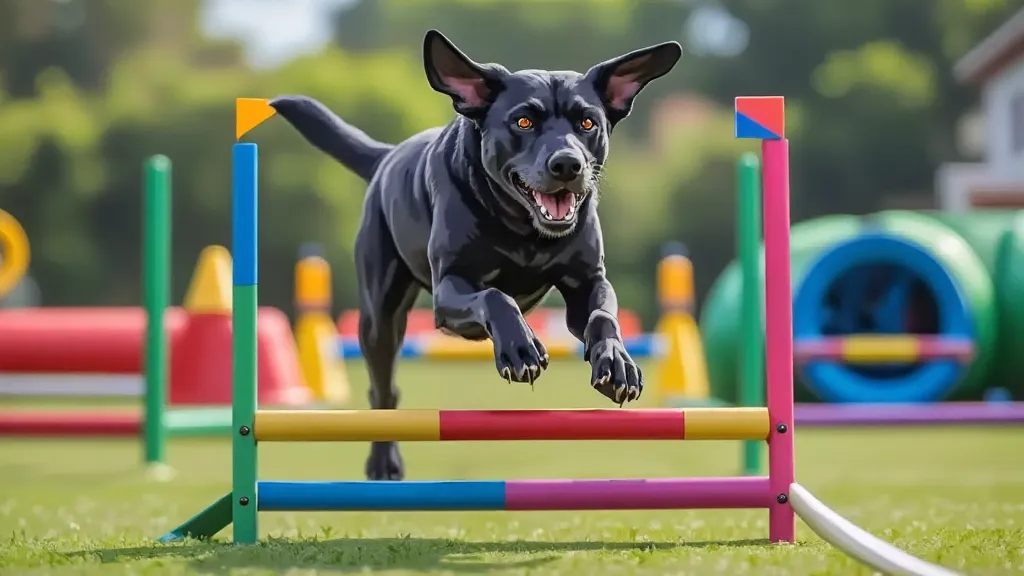
If you are looking to practice in your backyard or set up a professional course, you’ll need specific obstacles. The Fédération Cynologique Internationale (FCI) sets international standards for these tools:
Editor’s Pro-Tip: Always start with “flatwork”—teaching your dog to follow your hand movements on the ground before introducing height or complex obstacles.
Where to Buy: Top Reference Sites for Gear
Investing in safe, durable equipment is crucial to prevent injuries. Here are some of the most respected names in the industry:
-
Clean Run: The “Amazon” of the agility world, offering everything from training treats to full-sized competition contacts.
-
Galican: Known globally for their high-end, padded, and safety-conscious equipment used in world championships.
-
Affordable Agility: A fantastic resource for beginners looking for lightweight, portable kits for backyard practice.
- Tudo de cão: One of the main sources for official Agility equipment in Brazil.
How to Get Started
You don’t need a Border Collie or a Sheltie to enjoy this sport. While some breeds are “naturals,” any healthy dog with high toy or food motivation can participate.
-
Check for health: Consult your vet to ensure your dog’s joints are ready for jumping.
-
Find a local club: The United States Dog Agility Association (USDAA) Brasil Agility or your local kennel club often lists trainers.
-
Start slow: Focus on basic obedience (sit, stay, and “come”) before hitting the obstacles.
Now let’s talk about the humans!
Mastering the Lead: 5 Essential Tips for New Agility Handlers
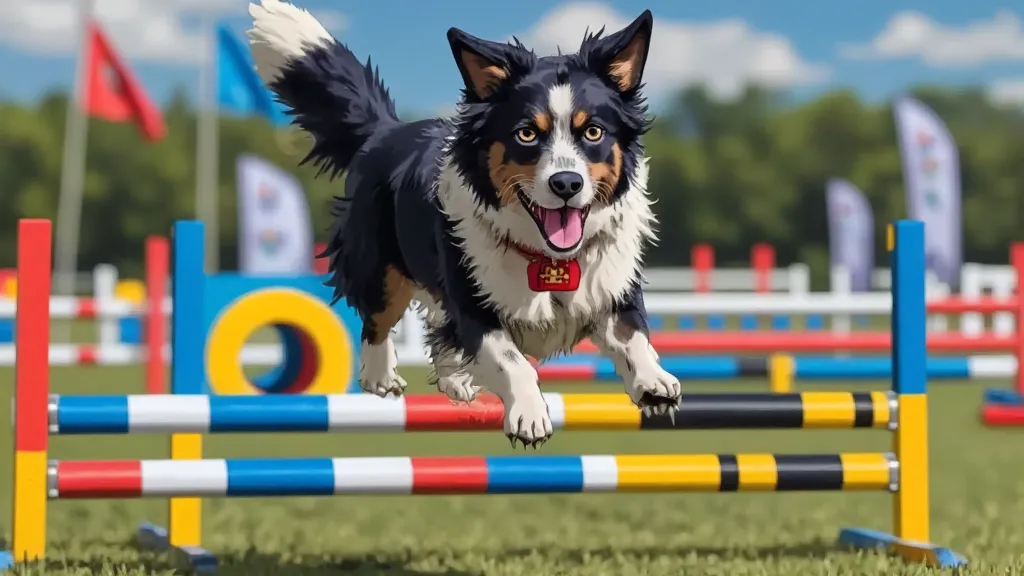
So, your dog is ready to run, jump, and weave—but are you? In the world of Dog Agility, you aren’t just a spectator; you are the navigator. Your body language, timing, and energy dictate how smoothly your dog navigates the course.
If you’re just starting out, here is how you can step up your game to become the partner your dog deserves.
1. Your Body Speaks Louder Than Your Voice
Dogs are masters of reading non-verbal cues. In agility, where you point your shoulders, feet, and even where you look can mean the difference between a clean run and a missed jump.
-
The “Laser” Rule: Imagine lasers coming out of your chest. Wherever those lasers point, that’s where your dog thinks they should go.
-
Consistent Hand Signals: Decide early on which hand signals represent which obstacles and stick to them.
2. Focus on Your Own Fitness
You don’t need to be an Olympic sprinter, but agility requires quick bursts of speed and sharp lateral movements.
-
Warm-up Together: Just as your dog needs to stretch, so do you. Prevent pulled muscles by doing a light jog and dynamic stretches before hitting the course.
-
Footwear Matters: According to experts at UK Agility, wearing the right shoes is the most important “gear” for a handler. Invest in trail running shoes or turf cleats to avoid slipping on grass or sand.
3. Precision Timing is Everything
The most common mistake for beginners is giving cues too late. By the time your dog is mid-air over a jump, they should already know where they are heading next.
-
Advance Cues: Aim to give your verbal command or physical signal before the dog commits to the current obstacle.
-
Trust Your Dog: Once you’ve given the cue, trust your dog to complete the task while you move into position for the next one.
4. Keep Training Sessions Short and Sweet
Agility is mentally draining for both parties. The United States Dog Agility Association (USDAA) emphasizes that “less is often more” in training.
-
Stop while your dog is still excited and wanting more.
-
Always end on a high note with a “jackpot” (a favorite toy or high-value treat) to keep their motivation sky-high.
5. Learn to “Walk the Course”
Before a run, handlers get a few minutes to walk the course without their dogs. Use this time wisely:
-
Visualize: Close your eyes and imagine the run from your dog’s perspective.
-
Identify Trap Obstacles: Look for areas where your dog might be tempted to take the wrong jump and plan your positioning to block that “trap.”
Handler’s Golden Rule: If your dog makes a mistake, 90% of the time it’s because of a late or unclear cue from the handler. Stay patient, laugh it off, and try again!
Commands and Checklist:
Essential Verbal Cues for Agility
In agility, your words must be short, distinct, and easy to shout while running. Here are the most common commands used by handlers worldwide:
-
“Over” or “Jump”: The standard cue for taking a bar jump.
-
“Tunnel”: Tells the dog to enter the collapsible tube or tunnel ahead.
-
“Weave”: Used to initiate the zigzag sequence through the 12 weave poles.
-
“Contact” or “Touch”: A vital command to ensure the dog touches the yellow “contact zone” at the end of the A-frame, Dog Walk, or See-saw to avoid a penalty.
-
“Out” or “Go”: Instructions for the dog to move away from the handler toward a distant obstacle.
-
“Here” or “Come”: Used to call the dog back to your side or to signal a sharp change in direction.
-
“Left” or “Right”: Advanced directional cues used for complex course navigation.
Packing Your Gear: The Beginner’s Agility Checklist
Preparing for your first class prevents stress and ensures you and your dog have a blast from the very first minute. Here is what you should have in your training bag:
-
High-Value Treats: Forget the dry kibble. Bring small, soft pieces of boiled chicken, lacfree cheese, or moist treats that your dog finds irresistible. Focus is key!
-
Favorite Tug Toy: Many agility dogs prefer a game of “tug” as a reward. It’s a great way to keep their energy and drive high between runs.
-
Fixed Leash and Collar: Avoid retractable leashes. Use a standard 4-to-5-foot leather or nylon leash and a flat collar (or a well-fitted harness).
-
Water Bowl and Fresh Water: Agility is a workout; keeping your dog hydrated is a top priority. Important note: check this article on our blog archives!
-
Comfortable Footwear for You: You will be running! Wear shoes with excellent grip, such as trail runners or turf cleats, to avoid slipping on grass or dirt.
-
Waste Bags: Rule number one of any training club: always clean up after your dog.
-
An Open Mind and Patience: Remember, the goal of the first few months is building a connection, not running a perfect course.
Keep an eye on our Blog for more canine world amazing content!