We’re all watching those lightning-fast Border Collies at Crufts 2026, weaving through poles with surgical precision. It’s breathtaking, but for many dog owners, it’s also intimidating. You look at your mixed-breed rescue or your slightly-too-relaxed family pet and think, “That’s not for us.” Or worse, you hear skeptics say that sports are “too much” for a dog. There are common dog sports myths. Today, we’re stripping away the gatekeeping and the misconceptions. Whether it’s Canicross, Hoopers, or Canine Parkour, dog sports aren’t just for the elite—they are for the connected.
Myth #1: “My dog isn’t a purebred, so we aren’t welcome.”
The Reality: Modern dog sports are more diverse than ever.
While certain breeds were historically developed for specific tasks, the “drive” to work isn’t exclusive to a pedigree. In fact, some of the most inspiring competitors in Agility and Mushing today are “All-American” mixed breeds and rescues. Most international organizations now have specific divisions for non-purebred dogs.
The goal isn’t to look like a breed standard; it’s to move, think, and solve problems together. Whether your dog is a Terrier-mix with endless energy or a retired Greyhound looking for low-impact Hoopers, there is a place for you on the field.
Myth #2: “Is dog sport just ‘forcing’ the animal to work?”
The Reality: It’s about biological fulfillment, not coercion.
This is a common objection from well-meaning animal lovers. However, viewing sports as “work” in a negative sense misses the point of canine evolution. Dogs are born with a biological “need” for a job. When we deny them an outlet for their instincts—like pulling in Bikejoring or navigating obstacles—that energy often turns into anxiety or destructive behavior at home.
In sports like Agility, you cannot “force” a dog to perform with speed and joy. If the partnership isn’t based on positive reinforcement and genuine fun, the dog simply won’t do it. A dog in a sport isn’t a tool; they are a teammate.
Myth #3: “I’m not an athlete, so I can’t do this.”
The Reality: There is a pace for every pair.
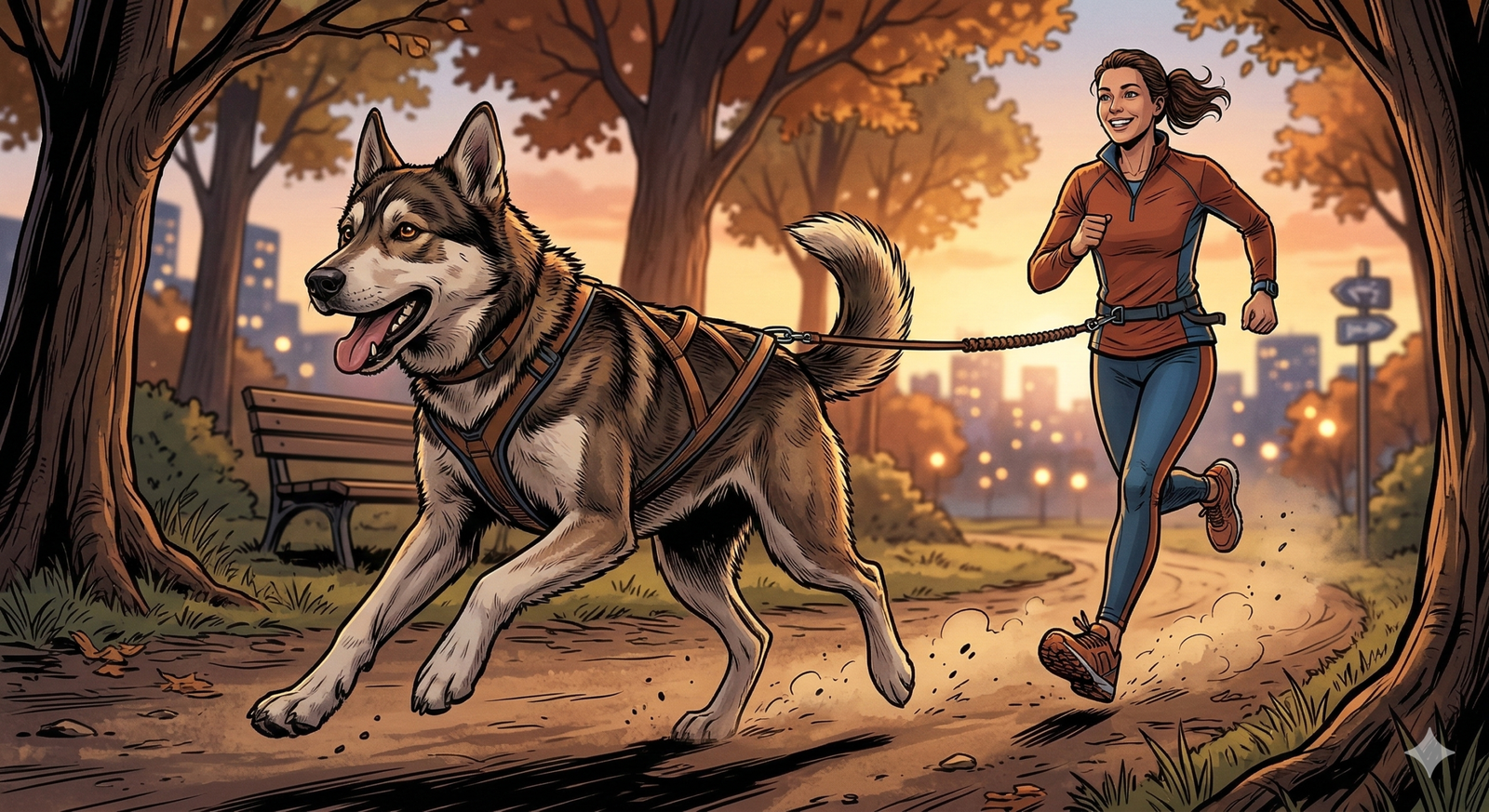
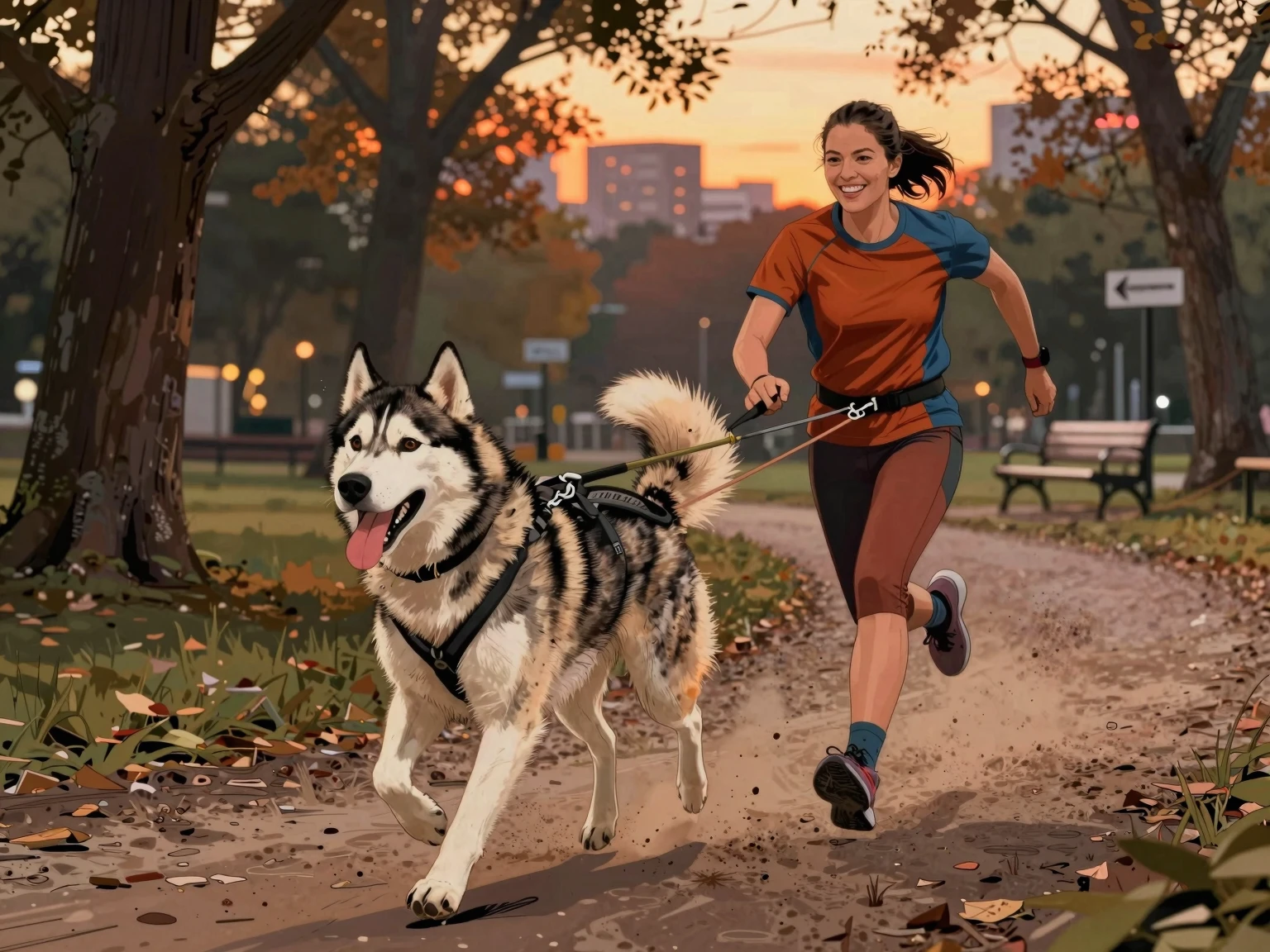
You don’t need to be a marathon runner to enjoy an active life with your dog. Sports like Canine Parkour focus on balance, core strength, and slow, controlled movements—perfect for owners who prefer a steady walk over a sprint. Even Canicross (cross-country running with your dog) can start as “Canihiking.”
The focus shouldn’t be on the podium or the stopwatch. In the spirit of a more balanced, Stoic approach to life, the “win” is the presence you share with your dog during the activity, not the trophy at the end.
Myth #4: “Dog sports are too expensive and require too much gear.”
The Reality: Your backyard is your stadium, and your current leash is your starting line.
One of the biggest misconceptions fueled by professional competitions is that you need a trailer full of specialized equipment to get started. While high-end gear exists for elite competitors, the barrier to entry for a hobbyist is remarkably low.
Start Where You Are: Many of the most popular activities, like Canine Parkour or Hoopers, can be practiced with items you already have at home. A sturdy harness, a standard leash, and a handful of high-value treats are all you need to begin teaching foundational movements. In fact, “Urban Parkour” encourages you to use the environment around you—fallen logs, park benches, and curbs—as your equipment.
The “DIY” Advantage: If you are interested in Agility, you don’t need to buy a regulation A-frame on day one. PVC pipes can become weave poles, and a simple hula-hoop can serve as a jump. For sports like Canicross or Bikejoring, while a specific pulling harness is a vital safety investment once you commit, you can test the waters by simply power-walking or light jogging with your dog on a standard, comfortable harness.
Focus on the Bond, Not the Brand: In the end, your dog doesn’t care about the brand of your running belt or the color of the agility tunnels. They care about the engagement and the time spent with you. Investing in “experiences” over “things” is not just a budget-friendly move; it’s a more focused way to build a relationship based on communication rather than consumerism.
Pro-Tips: How to Start Your Dog Sport Journey Today
Ready to take the leap? Before you head out, keep these expert tips in mind to ensure a successful and joyful start for both you and your teammate:
-
Prioritize a Vet Check: Before starting high-impact sports like Agility or distance sports like Canicross, have a quick chat with your vet. Ensuring your dog’s joints and heart are ready for the extra work is the first step of a responsible handler.
-
The 5-Minute Rule: When starting out, keep sessions short and sweet. It is better to have 5 minutes of high-energy, successful engagement than 20 minutes of fatigue and boredom. Always end the session while your dog still wants more!
-
Master the “Reset” reward: In sports, the reward (treat or toy) isn’t just for the finish line. Use it to mark small wins. A dog that associates the “work” with a high-value reward will develop the “drive” that makes sports look effortless.
-
Focus on the Foundation: Don’t rush to the complex obstacles. Spend time on basic cues like “left/right” (directional cues) and “steady.” A strong foundation makes learning any specific sport 10x faster later on.
-
Record Your Progress: Use your phone to film your practice. Not only is it great for your blog or Instagram, but it’s also the best way to see how your dog is responding to your body language. You’ll be amazed at the progress you see in just one month!
Conclusion: Beyond the Ribbon
Ultimately, debunking these myths allows us to see dog sports for what they truly are: a sophisticated form of play. It’s an investment in your dog’s mental health and your own physical well-being. Don’t let the “perfection” of televised competitions stop you from starting your own journey in your backyard or local park.