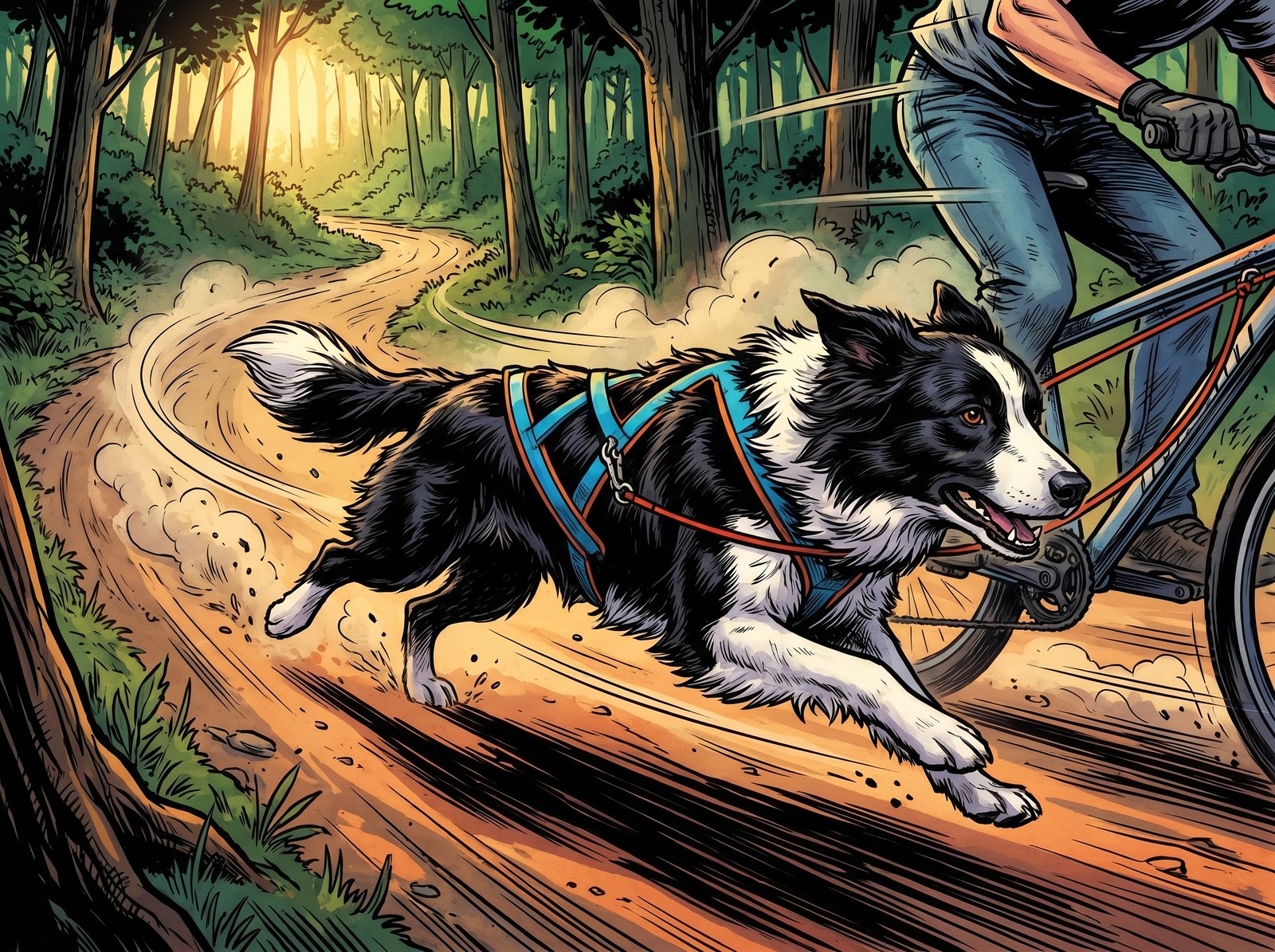
Every handler knows the exhilarating feeling of crossing the finish line after a grueling bikejoring run, nailing a clean agility course, or completing a demanding backcountry trail. Your heart is pounding, your adrenaline is surging, and your dog is sporting that unmistakable, tongue-out canine smile. That’s the moment when sports dog recovery window techniques come in hand.
But once the dust settles, a critical biological clock starts ticking.
Just like human athletes, canine athletes experience a specific post-exercise phase where their bodies are primed to repair tissue and replenish energy. In the world of working and sporting dogs, this is often referred to as the recovery window.
However, feeding a dog after extreme physical exertion isn’t as simple as dumping kibble into a bowl the moment you get back to the truck. In fact, doing so can be incredibly dangerous.
Let’s dive into the science of the canine recovery window: exactly when it’s safe to feed your dog, what nutrients they need to bounce back, and how to protect them from life-threatening medical emergencies.
The Golden Rule: The Cool-Down Comes First
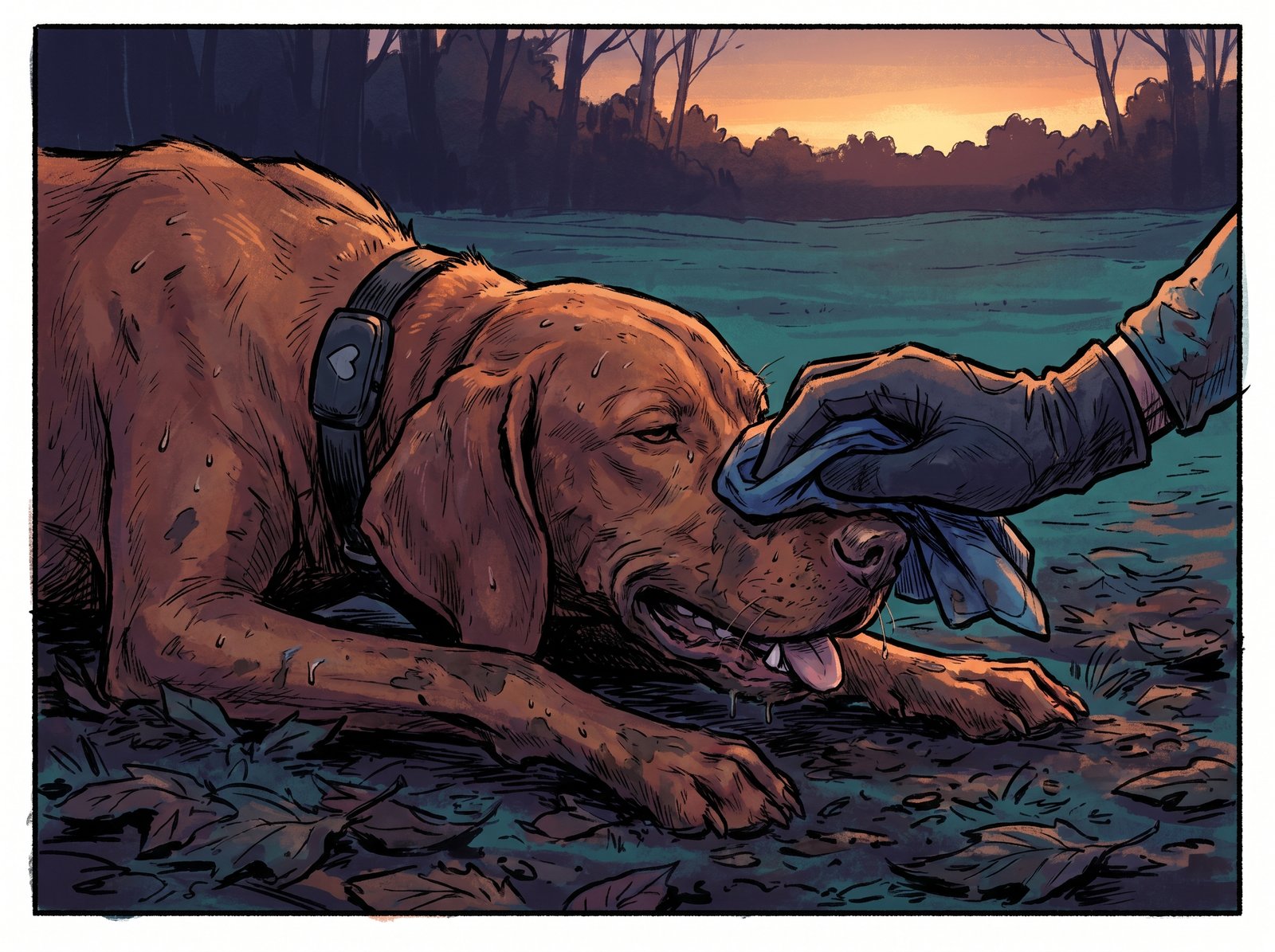
Before we even discuss macronutrients or supplements, we must address the most critical factor in post-exercise canine care: the cool-down period.
Feeding a dog whose heart rate is still elevated and whose respiration is high is a recipe for disaster. When a dog exercises intensely, blood flow is diverted away from the stomach and directed toward the muscles and lungs to sustain performance. If you introduce food or large amounts of water into the stomach while the digestive system is essentially “offline,” you drastically increase the risk of Gastric Dilatation-Volvulus (GDV), commonly known as bloat.
The 60-Minute Rule: As a strict guideline, wait at least 30 to 45 minutes after exercise to offer small amounts of water, and at least 60 minutes before offering a solid meal. The dog’s breathing must return to a completely normal, resting rate before any food is introduced.
Rehydration First, Refueling Second
The very first stage of the recovery window isn’t food—it’s hydration. Extreme exercise, especially in working breeds or during warm-weather mushing and canicross sessions, causes rapid moisture loss through panting.
According to veterinary sports medicine guidelines, rehydration should be strategic:
-
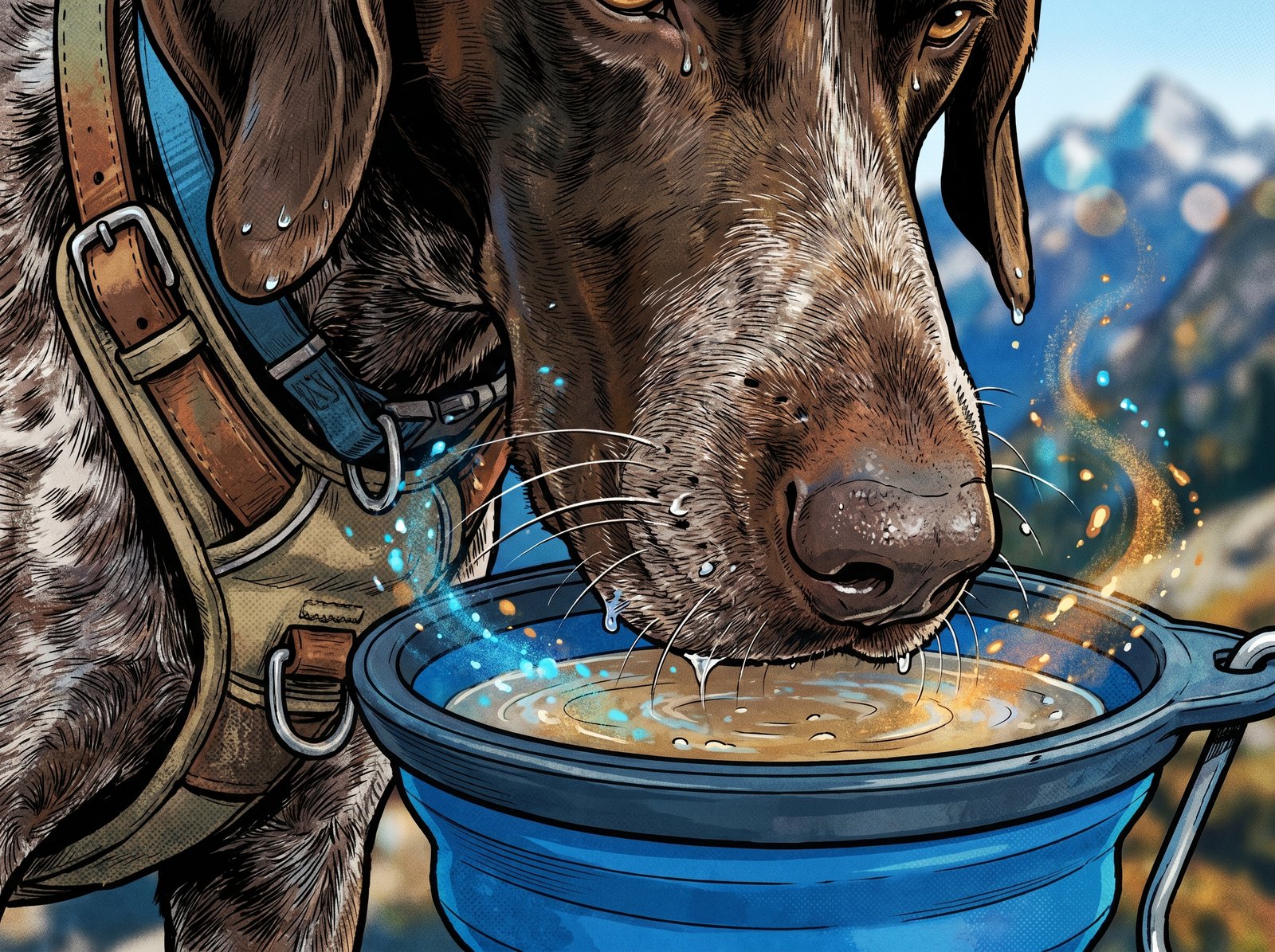
Avoid Gulping: Do not let your dog chug gallons of ice-cold water immediately after a run. This can trigger vomiting or contribute to GDV. Offer small, controlled amounts of ambient-temperature water every 10–15 minutes during the cool-down.
-
The Power of Nutrient-Enhanced Water: To kickstart recovery without overloading the stomach, many handlers use “water baiting” or flavored hydration. Adding a tablespoon of commercial canine electrolytes or a splash of low-sodium, homemade bone broth to the water encourages drinking and begins restoring lost fluids and trace minerals.
What to Feed: The Science of Canine Muscle Recovery
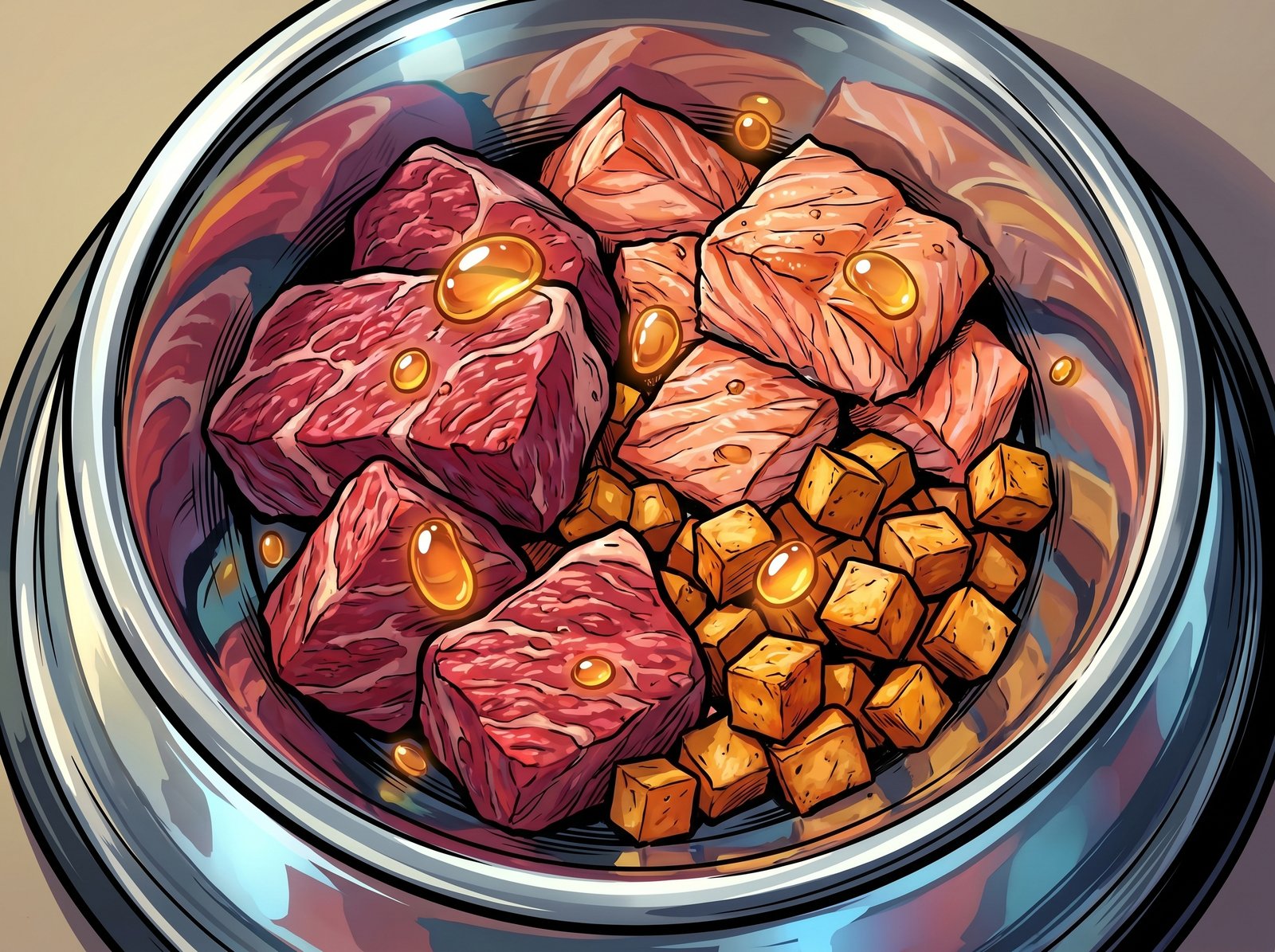
Once your dog is completely cool, relaxed, and resting, the true metabolic recovery window opens. In canine sports physiology, the goal of post-exercise nutrition is twofold: replenishing glycogen stores (the muscles’ primary energy source) and repairing muscle tissue micro-tears.
Unlike humans, who rely heavily on massive carbohydrate loading after a workout, a dog’s metabolic engine runs primarily on fats and high-quality proteins.
1. High-Bioavailability Protein (The Building Blocks)
During extreme exertion, muscle fibers experience microscopic damage. To repair this tissue and prevent muscle wasting, your dog needs easily digestible, high-quality animal protein rich in essential amino acids.
-
What to look for: Real meats like chicken, beef, or fish. If you feed kibble, ensuring it has a highly digestible protein source as the primary ingredient is key. For raw feeders, easily consumable proteins like green tripe or lean muscle meat are excellent post-workout options.
2. High-Quality Fats (The Sustained Fuel)
While carbohydrates can help rapidly rebuild glycogen stores immediately after a sprint, studies in journals like Veterinary Clinics of North America: Small Animal Practice show that endurance dogs (like sled dogs and distance runners) metabolize fats with incredible efficiency. Incorporating healthy fats, such as Omega-3 fatty acids from fish oil, not only aids in energy replenishment but also acts as a powerful natural anti-inflammatory to reduce joint and muscle soreness.
3. Strategic Carbohydrates (For Fast-Twitch Athletes)
If your dog participates in high-intensity, short-duration sports like Agility or Flyball, their body utilizes anaerobic pathways that deplete glycogen quickly. A small, easily digestible carbohydrate source (like a bit of pureed pumpkin or sweet potato) included in their post-cool-down meal can help accelerate glycogen synthesis.
Summary Checklist for Post-Exercise Recovery
To make things easy on your next adventure, keep this timeline in mind:
| Time Elapsed | Action | Rationale |
| 0–15 Mins | Active walking cool-down. No food. | Lowers heart rate and body temperature safely. |
| 15–30 Mins | Small sips of water or bone broth. | Initiates safe rehydration without stomach distress. |
| 45–60 Mins | Verify resting respiratory rate. | Ensures the digestive system is ready to receive food. |
| 60+ Mins | Feed a balanced, protein-and-fat-rich meal. | Maximizes muscle repair and energy replenishment. |
By mastering the timing and composition of your dog’s post-workout meals, you aren’t just feeding a pet—you are fueling an athlete. Protect their stomach first, give their muscles the premium nutrients they deserve second, and watch their performance, longevity, and enthusiasm for the sport skyrocket.