Feeding dogs before and after exercise is not as simple as it seems. We all love seeing our dogs sprint through the park, join us on a trail run, or catch a frisbee with athletic grace. Keeping our companions active is vital for their mental and physical health. However, when it comes to canine nutrition and exercise, timing is just as important as the quality of the kibble.
Feeding your dog at the wrong time can lead to more than just a stomach ache; it can lead to a life-threatening emergency. Here is how to fuel your furry athlete safely.
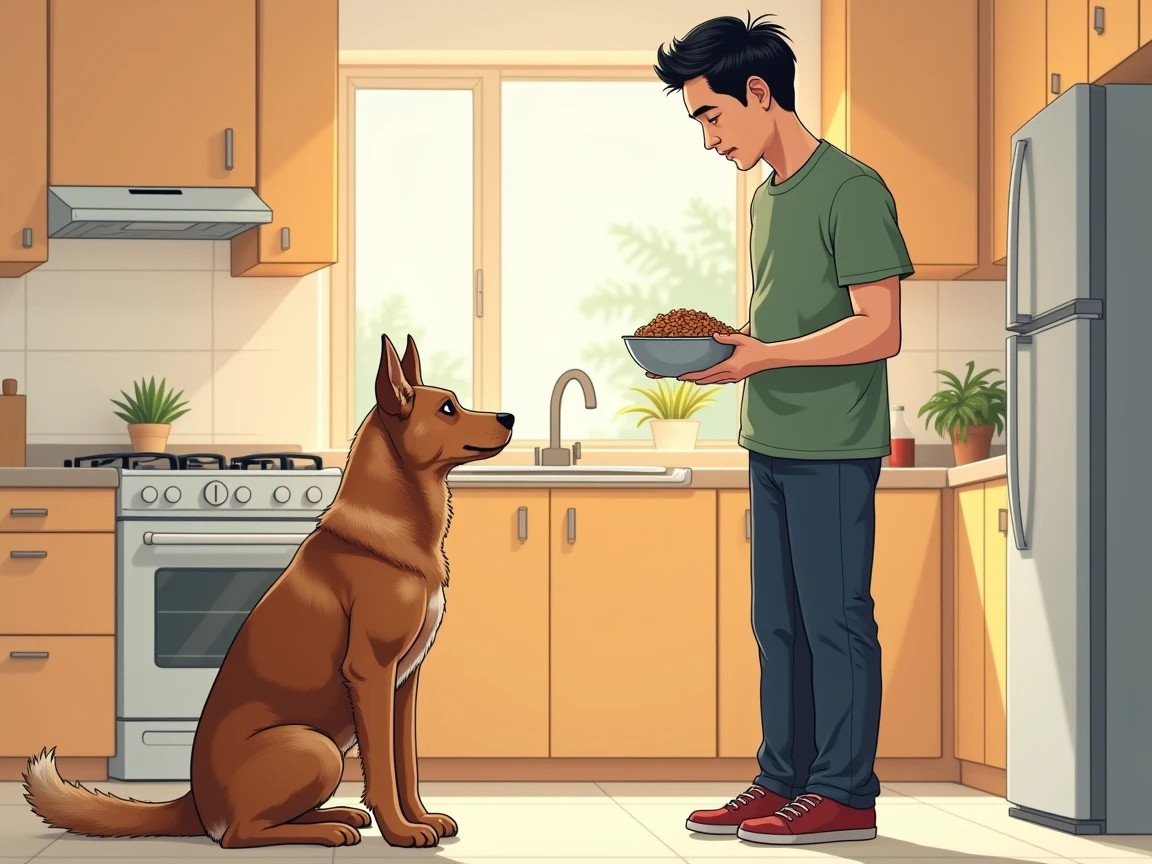
The Golden Rule: Avoiding Gastric Torsion (Bloat)
Before we dive into the “when,” we must discuss the “why.” The biggest risk of improper feeding around exercise is Gastric Dilatation-Volvulus (GDV), commonly known as Bloat or Gastric Torsion.
GDV occurs when a dog’s stomach fills with gas, food, or fluid and then twists. This traps the contents and cuts off blood supply to vital organs. According to the American Kennel Club (AKC) and the Merck Veterinary Manual, GDV is a high-mortality emergency that requires immediate surgery.
Pro-Tip: Large, deep-chested breeds (like Great Danes, German Shepherds, Labrador Retrievers, Golden Retrievers and Standard Poodles) are at a higher risk, but it can happen to any dog. Exercise on a full stomach is a primary trigger.
1. Before the Activity: The “Two-Hour” Window
To prevent the stomach from being too heavy or active during exercise, follow these guidelines:
-
The Wait Time: Avoid feeding a full meal at least 2 hours before intense physical activity.
-
Small Snacks: If you are going for a long hike, a very small, high-protein snack 30 minutes prior is usually safe for most dogs, but consult your vet if your dog is prone to bloat.
-
The Content: Pre-exercise meals should be easily digestible. Avoid high-fiber fillers that cause gas.
2. During the Activity: Hydration is Key
While food is usually a “no-go” during intense movement, hydration is non-negotiable.
-
Small Sips: Do not let your dog gulp down an entire bowl of water at once. This can swallow air and contribute to bloat. Offer small amounts of water frequently.
-
Cool, Not Cold: Extremely cold water can occasionally cause stomach cramps in an overheated dog. Room temperature or slightly cool water is best.
3. After the Activity: The Cool-Down Period
After your dog has finished their “workout,” their body is still in a high-metabolic state. Feeding them immediately can lead to vomiting or GDV.
Recovery Timeline
Check our Blog for more adventure and safety tips for you and your furry best friend!